For a reader who just finished
Books like Oliver Twist
after Oliver Twist by Charles Dickens · age 12+
Same style
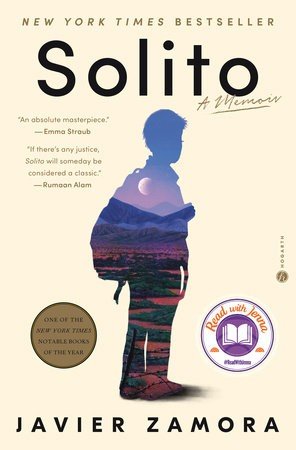
by Javier Zamora
Nonfiction · age 14+ · grade 9+ · 1050L
A necessary memoir that treats a child migrant's experience with unflinching dignity—the prose is beautiful and the story is devastating, and it should be read by every older child ready to understand what immigration actually costs.
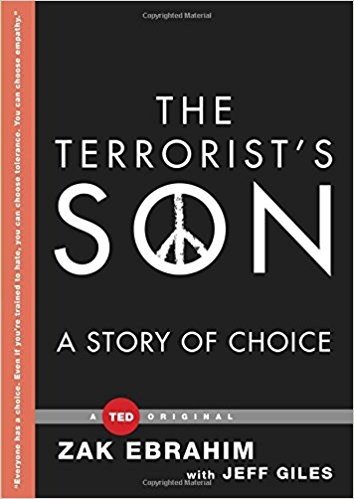
by Zak Ebrahim
Nonfiction · age 14+ · grade 9+ · 1050L
Unflinching memoir that trusts middle-graders to grapple with moral complexity; Ebrahim's voice is direct and self-aware, not sanitized, and the arc—from indoctrination to independent choice—is the most honest coming-of-age story on identity and courage available for this age.
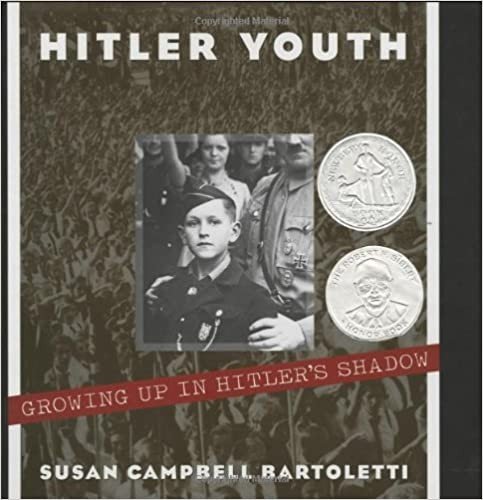
by Susan Campbell Bartoletti
Nonfiction · age 10+ · grade 5+ · 1050L
The most honest, unflinching introduction to how propaganda works on young minds—essential reading for understanding WWII and how democracies stay vigilant.
Complementing on justice
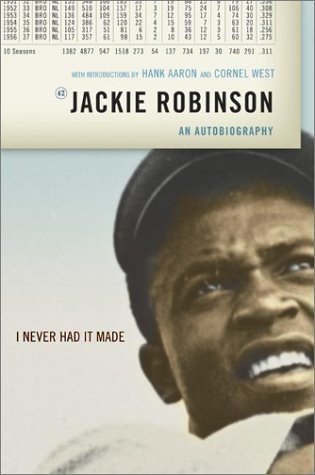
by Jackie Robinson
Nonfiction · ages 13–18 · grades 8–12 · 1050L
The most direct, unflinching account of breaking the color barrier—Robinson's voice is sharp and uncompromising, and the book refuses sentimentality or false reconciliation.
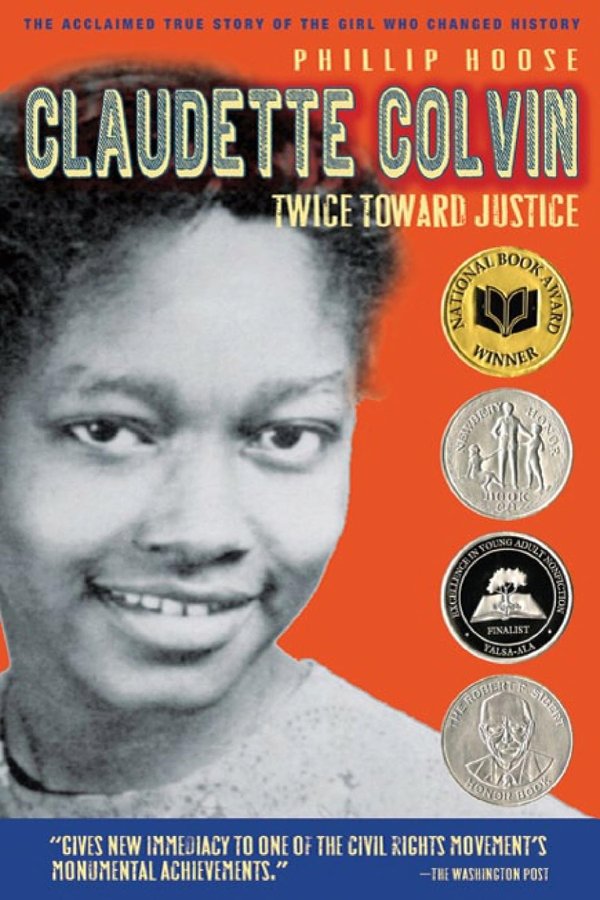
by Phillip Hoose
Nonfiction · ages 10–14 · grades 5–9 · 820L
The book that should be taught instead of (or alongside) Rosa Parks—immediate, deeply researched, and co-authored with Claudette herself, making it both historically authoritative and emotionally resonant for kids discovering real people with real moral agency.
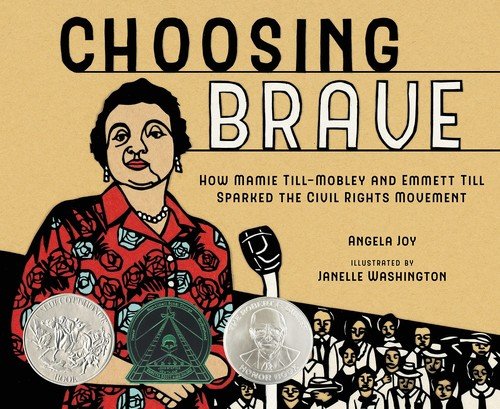
by Janelle Washington
Picture book · ages 6–10 · grades 1–5 · 750L
A necessary, age-appropriate introduction to the Emmett Till case that centers Mamie Till-Mobley's agency and moral courage—uncomfortable for kids but unflinching in a way that respects young readers' capacity for truth.
We'd skip — for now
by Carol Schaefer
A step up — ages 14–18 · grades 9–12
Skip it if your family is still processing an adoption or relinquishment and isn't ready for direct, emotionally honest conversation—this book doesn't soften the complexity.
