For a reader who just finished
Books like Ninth Ward
after Ninth Ward by Jewell Parker Rhodes · ages 8–12
Same style
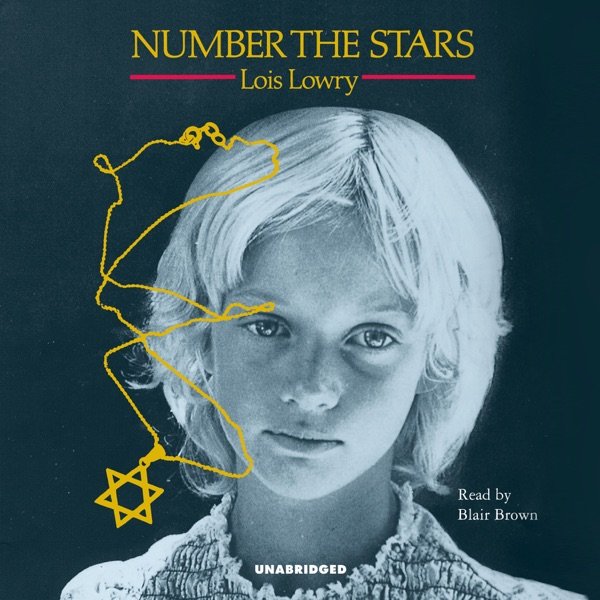
by Lois Lowry
Middle grade · ages 10–14 · grades 5–9 · 740L
A masterwork of historical fiction for middle grade—Lowry trusts kids with real stakes and moral complexity without traumatizing them, and the quiet bravery of an ordinary girl becomes indelible.
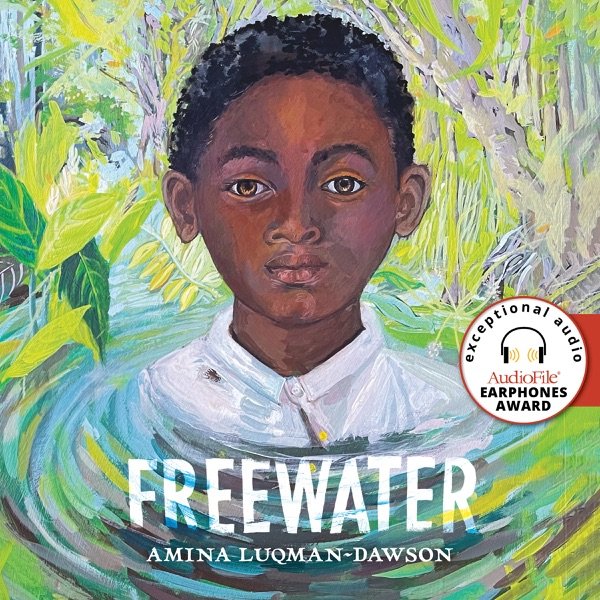
by Amina Luqman-Dawson
Middle grade · ages 10–14 · grades 5–9 · 780L
A rare middle-grade novel that treats slavery and Black resistance with intellectual and emotional honesty—no sanitizing, no triumph-narrative shortcuts, but genuine complexity and beauty.
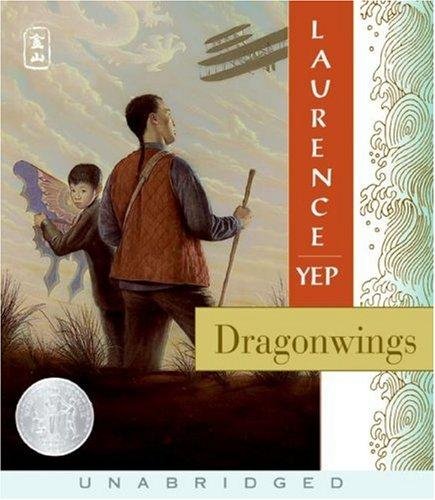
by Laurence Yep
Middle grade · ages 10–14 · grades 5–9 · 780L
A Newbery Honor book that earns it—Yep weaves Chinese folklore, early aviation history, and the immigrant experience into a story that changes how kids understand American identity and belonging.
Stretch them up
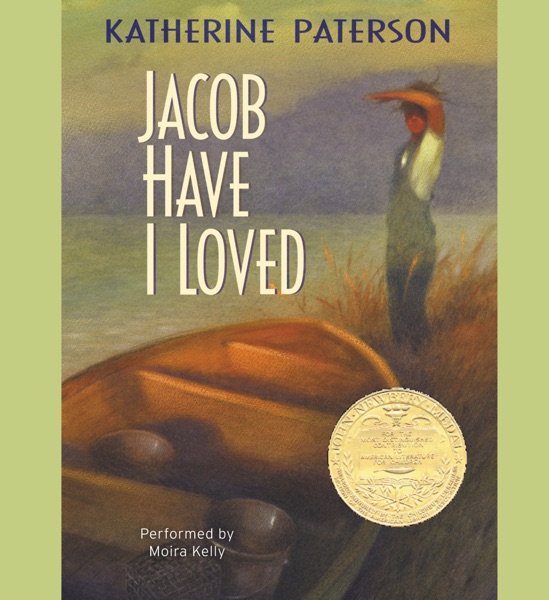
by Katherine Paterson
Middle grade · ages 10–14 · grades 5–9 · 820L
A Newbery winner that actually deserves it—Paterson writes sibling resentment and reconciliation with such honesty that kids recognize their own families, and the 1941 Chesapeake setting carries real historical weight without preaching.
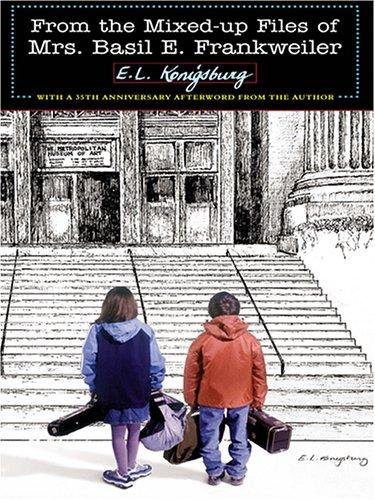
by E. L. Konigsburg
Middle grade · ages 8–12 · grades 3–7 · 790L
A book that trusts kids to be intellectually bored and emotionally complex—Claudia's runaway isn't melodrama, it's a quiet reckoning with identity that lands harder on rereads.
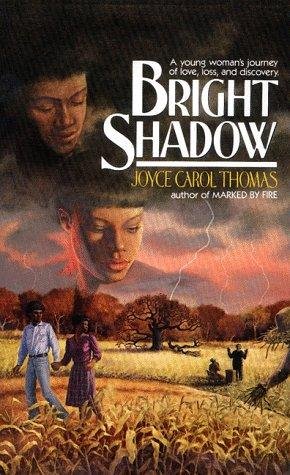
by Joyce Carol Thomas
Middle grade · ages 8–12 · grades 3–7 · 780L
A luminous, unflinching story about difference and belonging—Thomas's lyrical prose and Auri's quiet dignity make this a memorable introduction to how communities can choose love, and how a girl learns her own worth.
Complementing on resilience
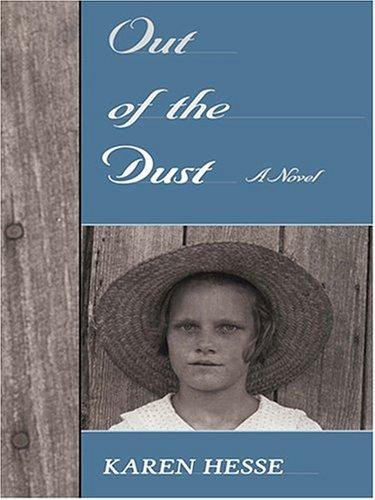
by Karen Hesse
Verse novel · ages 10–14 · grades 5–9 · 750L
A masterpiece of free verse that teaches environmental and economic history through a girl's grief—difficult, achingly human, and the rare middle-grade novel that doesn't soften its subject matter.
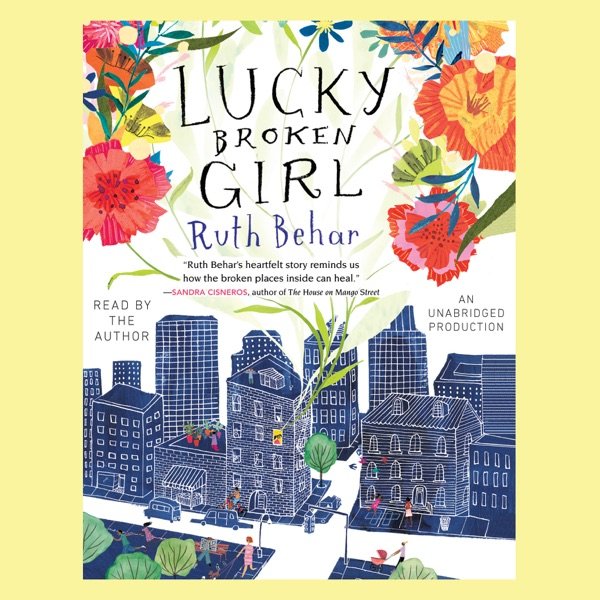
by Ruth Behar
Middle grade · ages 8–12 · grades 3–7 · 720L
A memoir-in-verse hybrid that refuses to sentimentalize displacement; Behar's own story of leaving Cuba and breaking her leg gives it unsentimental weight, and the poem structure mirrors fragmentation without feeling gimmicky.
We'd skip — for now
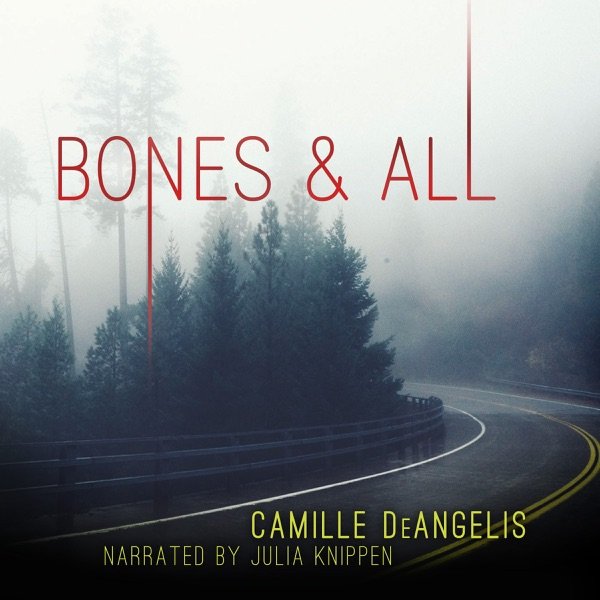
by Camille DeAngelis
A step up — ages 14–18 · grades 9–12
Skip it if your teen is disturbed by cannibalism (even as metaphor/practice) or if they're not yet ready for literary darkness without clear moral resolution.
