For a reader who just finished
Books like Night At The Museum, Battle At The Smithsonian
after Night At The Museum, Battle At The Smithsonian by Michael Anthony Steel · ages 8–12
Same style
by Kevin Wilson
Middle grade · ages 8–12 · grades 3–7 · 720L
A funny, earnest adventure about nerdy kids with an elaborate, ridiculous plan — genuinely inventive and unafraid to celebrate weirdness, though the pacing slumps in the middle.
by Victoria Bond
Middle grade · ages 8–12 · grades 3–7 · 750L
A smart, folklore-grounded adventure that treats a Black girl's magic and heritage as serious—not decorative—and refuses to dumb down either the history or the magic system.
by Cornelia Meigs
Middle grade · ages 8–12 · grades 3–7 · 820L
A solid historical adventure about logging culture that genuinely teaches environmental observation and courage through action, not lecture — though the pacing can feel deliberate to modern readers.
Stretch them up
by E. L. Konigsburg
Middle grade · ages 8–12 · grades 3–7 · 790L
A book that trusts kids to be intellectually bored and emotionally complex—Claudia's runaway isn't melodrama, it's a quiet reckoning with identity that lands harder on rereads.
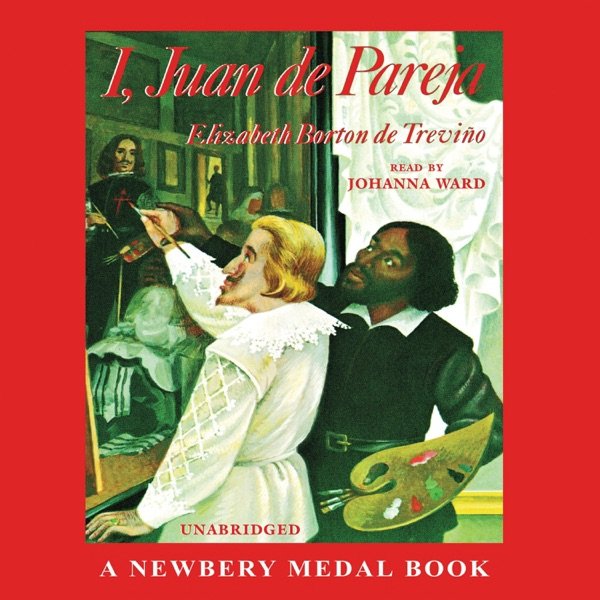
by Elizabeth Borton de Treviño
Middle grade · ages 10–14 · grades 5–9 · 820L
A Newbery winner that doesn't condescend—serious, historically grounded, and genuinely about how one person's refusal to accept powerlessness can remake a life; the prose is elegant and the emotional core is real.
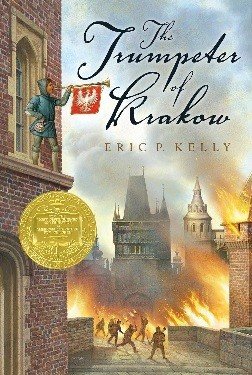
by Eric P. Kelly
Middle grade · ages 8–12 · grades 3–7 · 800L
A Newbery winner that feels genuinely historical without being a slog — the mystery of the trumpet and the boy's quiet bravery make it memorable for kids who can handle older prose.
Complementing on history
by Rudyard Kipling
Middle grade · ages 8–12 · grades 3–7 · 820L
A deeply literary book that teaches history through magical encounters and Kipling's ornate prose—rich and strange, but demands a reader who loves language and can tolerate slowness and ambiguity.
We'd skip — for now
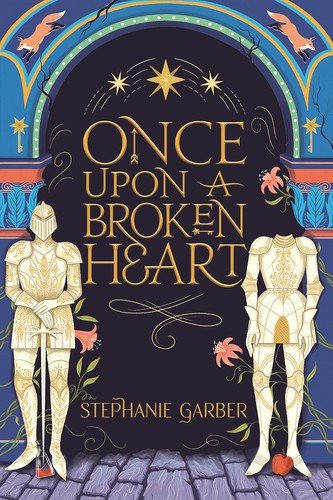
by Stephanie Garber
A step up — ages 12–16 · grades 7–11
Skip it if your teen reader is not yet interested in romantic tension as a plot driver, or if they've outgrown fairytale retellings.
