
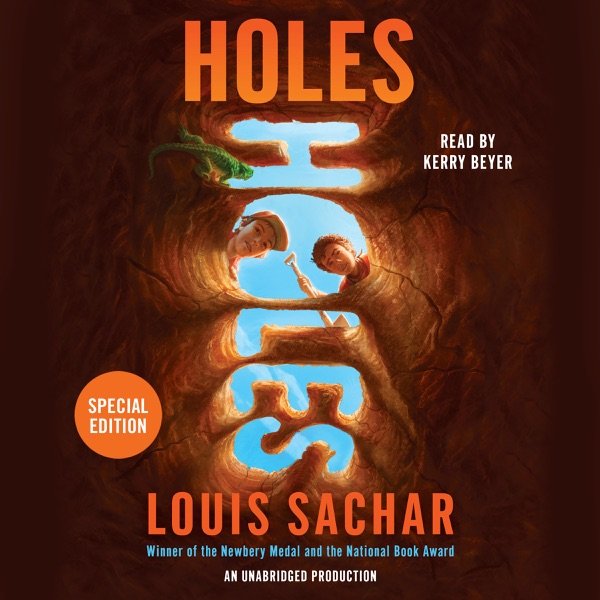
Holes
by Louis Sachar
Middle grade · ages 10–14 · grades 5–9 · 740L
A masterwork of interlocking narratives that rewards rereading — kids solve the mystery alongside Stanley, and the structure itself teaches cause-and-effect thinking.
For a reader who just finished
after MOONLEAPERS by Margaret Peterson Haddix · ages 8–12
Same style
by Louis Sachar
Middle grade · ages 10–14 · grades 5–9 · 740L
A masterwork of interlocking narratives that rewards rereading — kids solve the mystery alongside Stanley, and the structure itself teaches cause-and-effect thinking.
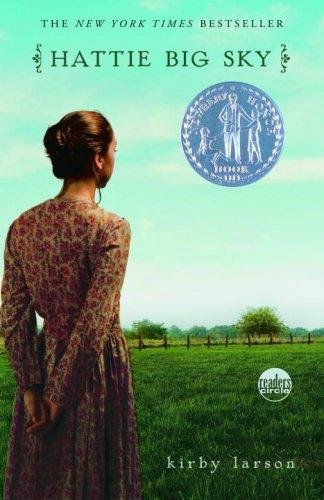
by Kirby Larson
Middle grade · ages 10–14 · grades 5–9 · 750L
A Newbery winner that actually earns it—Hattie's voice is sharp, funny, and unsentimentally brave, and the historical detail (homesteading law, drought, WWI) lands without preaching.
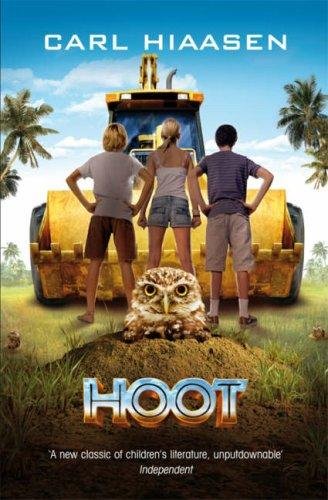
by Carl Hiaasen
Middle grade · ages 10–14 · grades 5–9 · 750L
A genuinely funny, page-turning adventure that sneaks real environmentalism and civic courage into a story kids actually want to reread—the first book that makes activism feel like kid rebellion.
Stretch them up
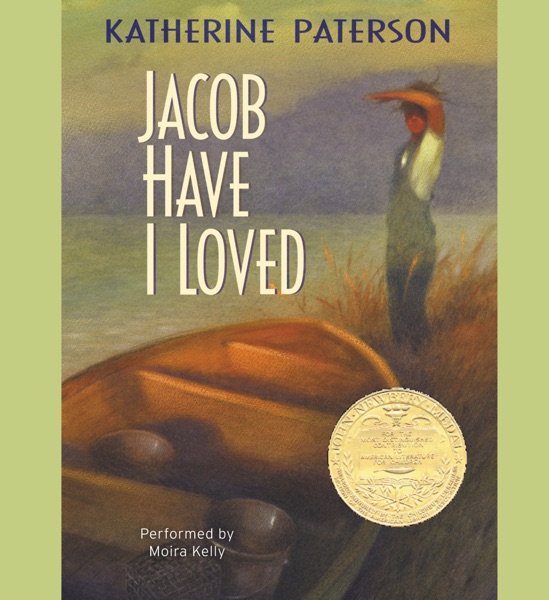
by Katherine Paterson
Middle grade · ages 10–14 · grades 5–9 · 820L
A Newbery winner that actually deserves it—Paterson writes sibling resentment and reconciliation with such honesty that kids recognize their own families, and the 1941 Chesapeake setting carries real historical weight without preaching.
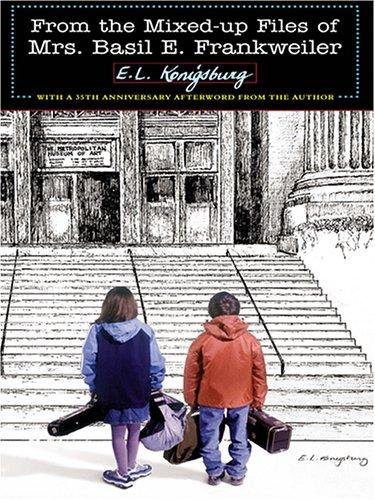
by E. L. Konigsburg
Middle grade · ages 8–12 · grades 3–7 · 790L
A book that trusts kids to be intellectually bored and emotionally complex—Claudia's runaway isn't melodrama, it's a quiet reckoning with identity that lands harder on rereads.
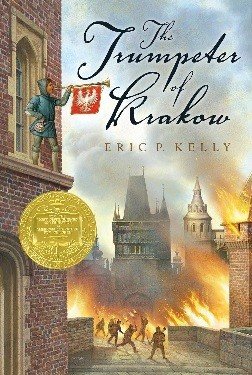
by Eric P. Kelly
Middle grade · ages 8–12 · grades 3–7 · 800L
A Newbery winner that feels genuinely historical without being a slog — the mystery of the trumpet and the boy's quiet bravery make it memorable for kids who can handle older prose.
Complementing on scientific method
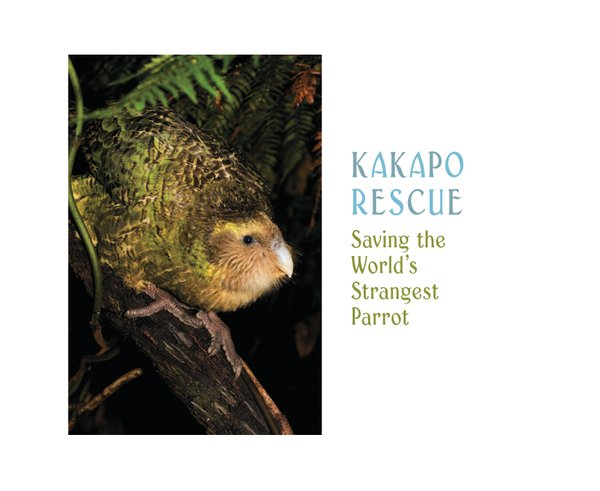
by Sy Montgomery
Nonfiction · ages 8–12 · grades 3–7 · 720L
Montgomery's infectious curiosity and on-the-ground reporting make conservation science visceral and urgent—kids finish this wanting to know how to help, not just what the problem is.
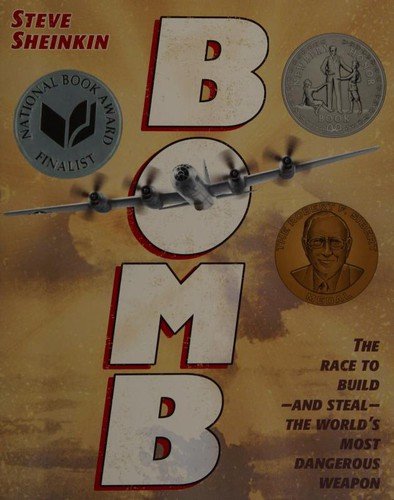
by Steve Sheinkin
Nonfiction · ages 10–14 · grades 5–9 · 820L
A genuine page-turner that makes nuclear physics and WWII espionage accessible to smart 11-year-olds without dumbing down the science or the moral complexity.
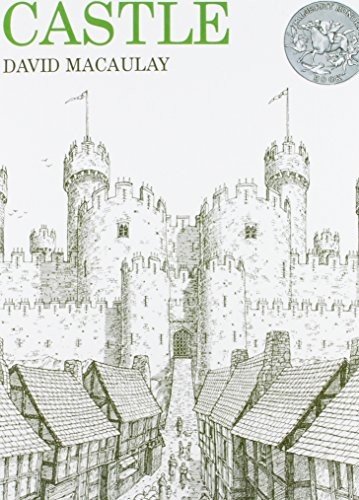
by David Macaulay
Nonfiction · ages 8–12 · grades 3–7 · 720L
Macaulay's masterpiece — architectural history made visceral through illustration and narrative; kids who engage deeply will ask real questions about how things are built.
We'd skip — for now
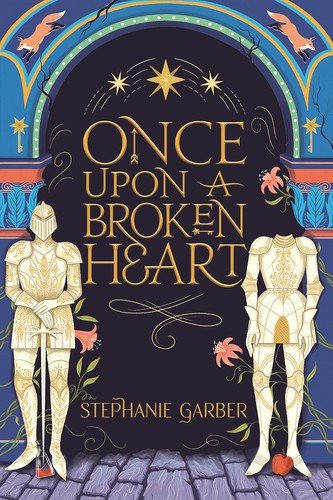
by Stephanie Garber
A step up — ages 12–16 · grades 7–11
Skip it if your teen reader is not yet interested in romantic tension as a plot driver, or if they've outgrown fairytale retellings.