
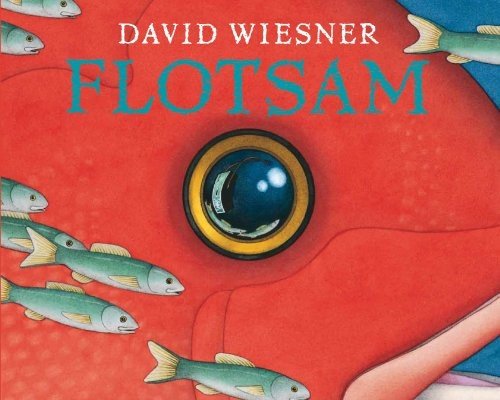
Flotsam
by David Wiesner
Picture book · ages 4–8 · grades K–3
A wordless masterpiece that teaches observation and sparks imagination without a single sentence—kids stare at the panels, construct their own theories, and beg to flip through it again.
For a reader who just finished
after MONA'S EYES by Thomas Schlesser · ages 4–8
Same style
by David Wiesner
Picture book · ages 4–8 · grades K–3
A wordless masterpiece that teaches observation and sparks imagination without a single sentence—kids stare at the panels, construct their own theories, and beg to flip through it again.
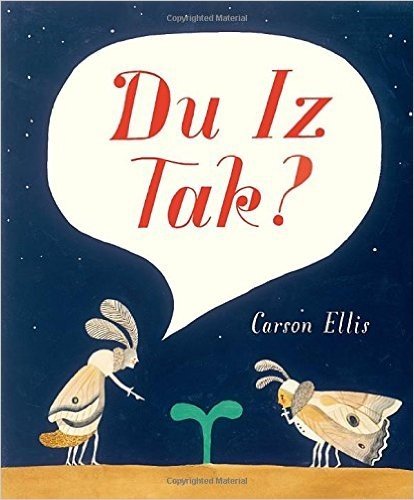
by Carson Ellis
Picture book · ages 3–7 · grades K–2
A nearly wordless masterpiece that trains the eye and invites endless speculation; kids return to it because there's always something new to notice, and parents fall in love with Carson Ellis's pen-and-ink world.
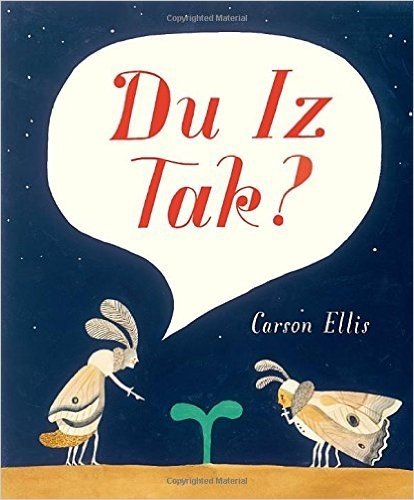
by Carson Ellis
Picture book · ages 3–7 · grades K–2
A nearly wordless masterpiece that trains the eye and invites endless speculation; kids return to it because there's always something new to notice, and parents fall in love with Carson Ellis's pen-and-ink world.
Stretch them up
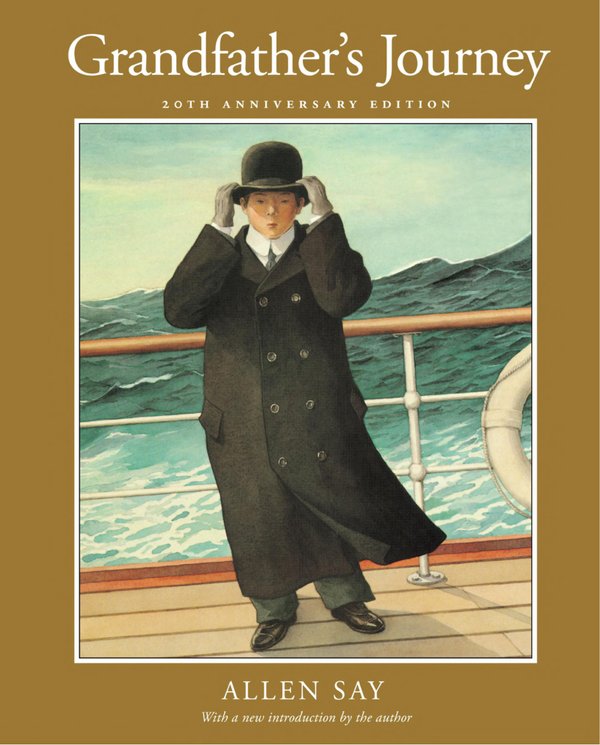
by Allen Say
Picture book · ages 4–8 · grades K–3 · 550L
A Caldecott winner that earns it—Say's watercolors and mirrored structure teach perspective-taking without sermon, and kids grasp the paradox of home better than most adults.
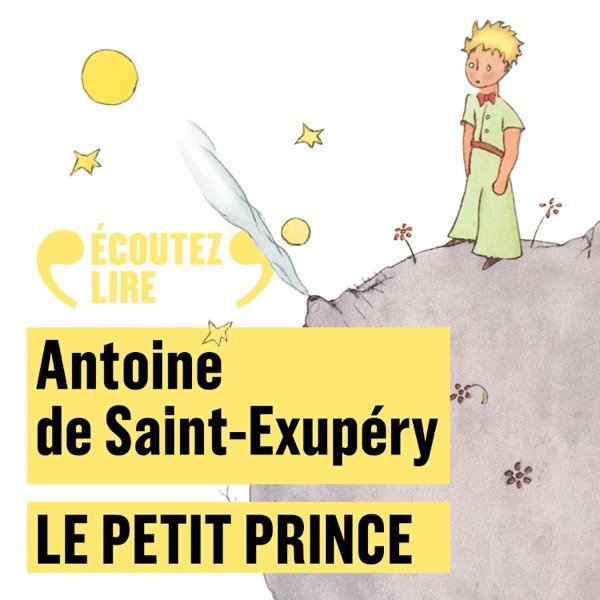
by Antoine de Saint-Exupéry
Picture book · ages 4–8 · grades K–3 · 550L
A genuine masterpiece that reads as allegory to adults and pure story-magic to kids; the watercolor and poetic language linger long after the last page.
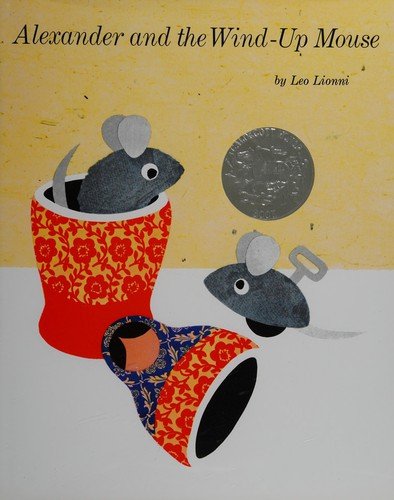
by Leo Lionni
Picture book · ages 4–8 · grades K–3 · 550L
A masterpiece of picture-book economy—Lionni uses collage to make a simple story about accepting difference feel profound, and kids absorb the moral without ever noticing they're learning.
Complementing on observation evidence
by Leo Politi
Picture book · ages 4–8 · grades K–3 · 620L
A 1946 Newbery winner that holds up: lyrical, culturally grounded, and teaches patient observation without preaching—the swallows are a genuine draw, not a metaphor.
by David Wiesner
Picture book · ages 4–8 · grades K–3
A wordless masterpiece that teaches observation and sparks imagination without a single sentence—kids stare at the panels, construct their own theories, and beg to flip through it again.
by Todd Tucker
Picture book · ages 4–8 · grades K–3 · 600L
A quiet masterpiece that teaches observation without a word of didacticism—kids naturally want to lift the flaps and peek, building real naturalist instincts.
We'd skip — for now
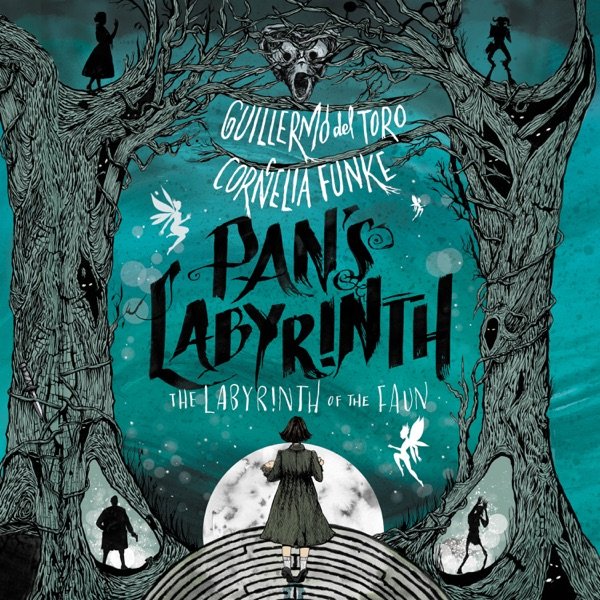
by Guillermo del Toro
A step up — ages 8–12 · grades 3–7
Skip it if your child has been distressed by wartime violence, death, or malevolent adults in authority — the stepfather is menacing and several scenes depict harm without resolution.