For a reader who just finished
Books like Mockingbird
after Mockingbird by Kathryn Erskine · ages 10–14
Same style
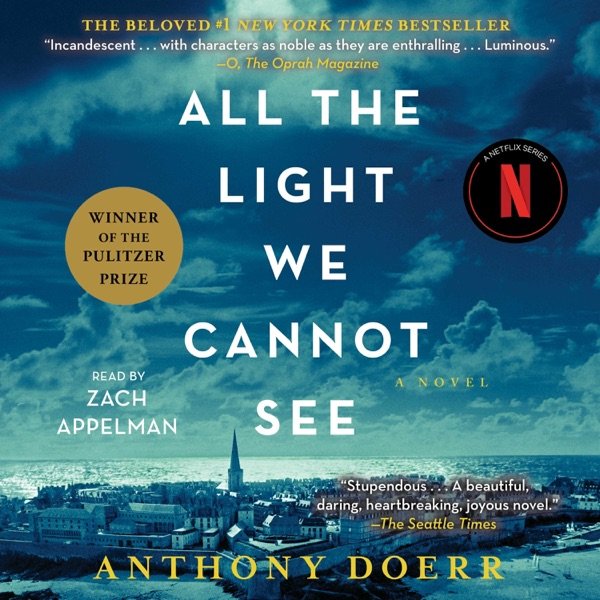
by Anthony Doerr
Middle grade · ages 10–14 · grades 5–9 · 730L
A masterwork that treats middle-grade readers as intellectually and emotionally serious — literary prose, two full inner lives, and genuine moral complexity without didacticism or sentimentality.
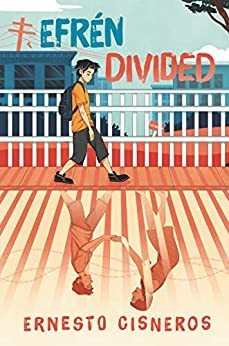
by Ernesto Cisneros
Middle grade · ages 8–12 · grades 3–7 · 720L
A deeply humane novel that treats immigration policy through a child's eyes without didacticism — Efrén's internal conflict and his love for his family make the stakes unmistakably real.
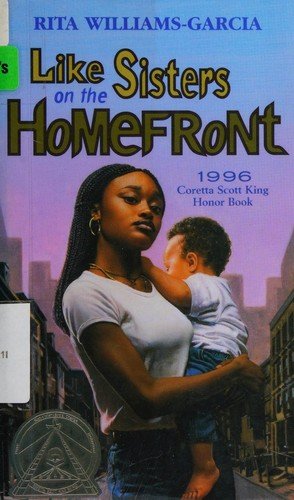
by Rita Williams-Garcia
Middle grade · ages 10–14 · grades 5–9 · 780L
A unflinching, lyrical novel about a teenager forced to reckon with her choices and her mother's love; rare in that it treats both the mother and daughter with full humanity and doesn't resolve everything neatly.
Stretch them up
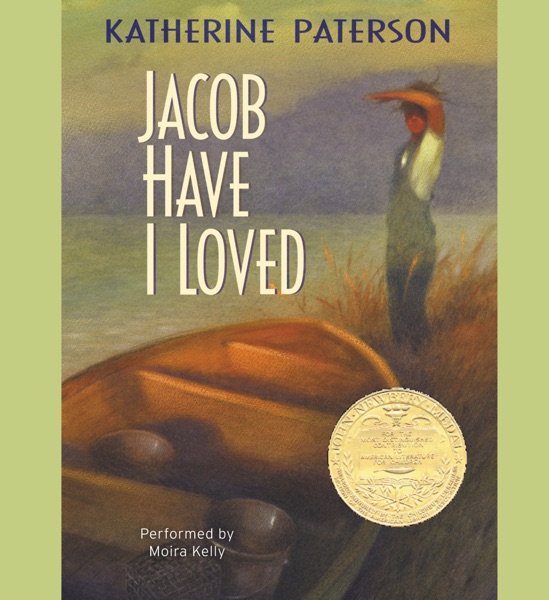
by Katherine Paterson
Middle grade · ages 10–14 · grades 5–9 · 820L
A Newbery winner that actually deserves it—Paterson writes sibling resentment and reconciliation with such honesty that kids recognize their own families, and the 1941 Chesapeake setting carries real historical weight without preaching.
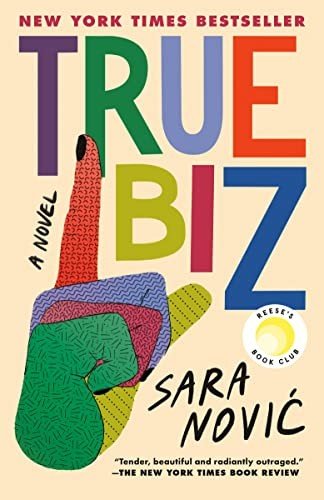
by Sara Nović
Middle grade · ages 10–14 · grades 5–9 · 820L
A genuinely original YA-crossover novel that treats Deaf culture as protagonist, not obstacle—kids learn to think in sign while wrestling with identity questions that feel urgent, not didactic.
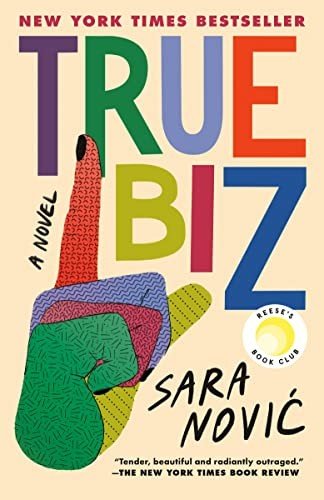
by Sara Nović
Middle grade · ages 10–14 · grades 5–9 · 820L
A genuinely original YA-crossover novel that treats Deaf culture as protagonist, not obstacle—kids learn to think in sign while wrestling with identity questions that feel urgent, not didactic.
Complementing on navigating difference
by Sara Nović
Middle grade · ages 10–14 · grades 5–9 · 820L
A genuinely original YA-crossover novel that treats Deaf culture as protagonist, not obstacle—kids learn to think in sign while wrestling with identity questions that feel urgent, not didactic.
by Sara Nović
Middle grade · ages 10–14 · grades 5–9 · 820L
A genuinely original YA-crossover novel that treats Deaf culture as protagonist, not obstacle—kids learn to think in sign while wrestling with identity questions that feel urgent, not didactic.
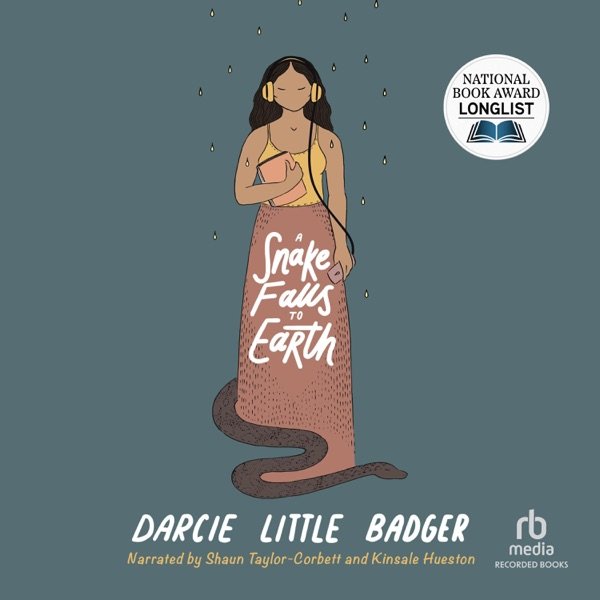
by Darcie Little Badger
Middle grade · ages 10–14 · grades 5–9 · 720L
A genuinely original middle-grade fantasy that centers Indigenous worldview and disability without sentimentality—the magic feels earned, the protagonist is unflinching, and the prose is gorgeous without being flowery.
We'd skip — for now
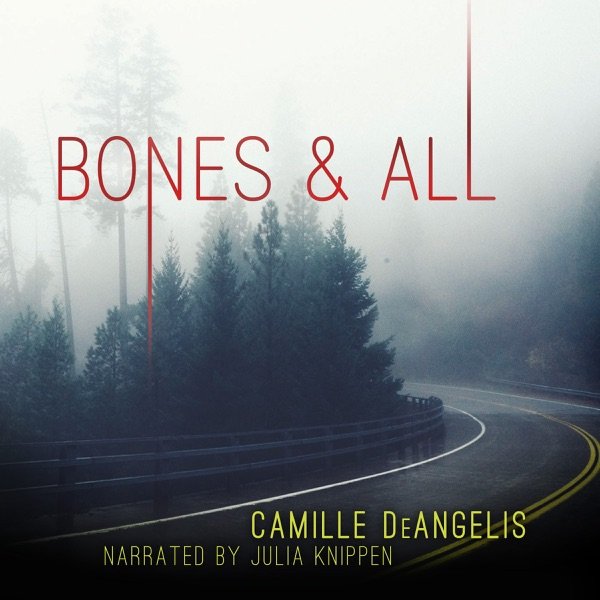
by Camille DeAngelis
A step up — ages 14–18 · grades 9–12
Skip it if your teen is disturbed by cannibalism (even as metaphor/practice) or if they're not yet ready for literary darkness without clear moral resolution.
