
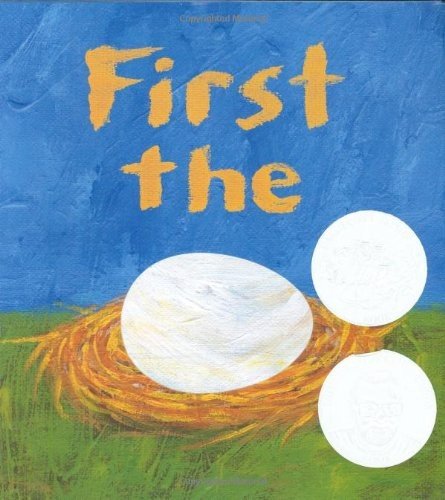
First the Egg
by Laura Vaccaro Seeger
Picture book · ages 2–5 · grade K
A nearly wordless picture book about transformation that preschoolers return to obsessively; the die-cut pages make the metamorphosis tactile and concrete.
For a reader who just finished
after Malagash by Joey Comeau · ages 4–8
Same style
by Laura Vaccaro Seeger
Picture book · ages 2–5 · grade K
A nearly wordless picture book about transformation that preschoolers return to obsessively; the die-cut pages make the metamorphosis tactile and concrete.
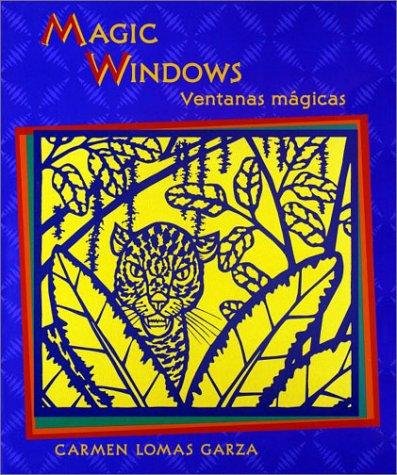
by Carmen Lomas Garza
Picture book · ages 4–8 · grades K–3
Lomas Garza's cut-paper illustrations are so vivid they feel tactile; this is a quiet, powerful book about Mexican American family life that lets children see themselves or learn generously about others' everyday magic.

by Mary Hays Weik
Picture book · ages 5–9 · grades K–4 · 550L
A quietly profound Newbery Honor book that introduces jazz history and urban life through a child's tender observation of his neighbor; the illustrations are essential to the emotional core.
Stretch them up
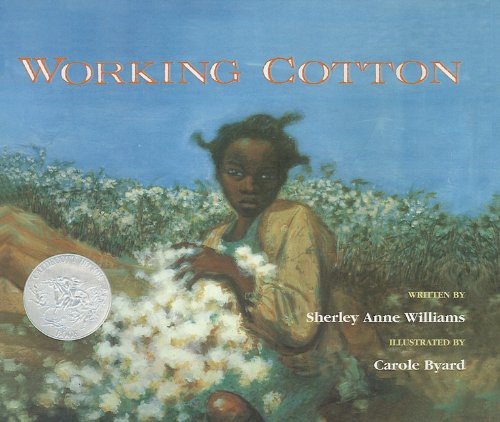
by Carole Byard
Picture book · ages 6–10 · grades 1–5 · 620L
Unflinching, lyrical, and told in the protagonist's own voice — this is the rare picture book that doesn't sentimentalize poverty but doesn't rob children of it either, and Carole Byard's collage art is extraordinary.
by Leo Politi
Picture book · ages 4–8 · grades K–3 · 620L
A 1946 Newbery winner that holds up: lyrical, culturally grounded, and teaches patient observation without preaching—the swallows are a genuine draw, not a metaphor.
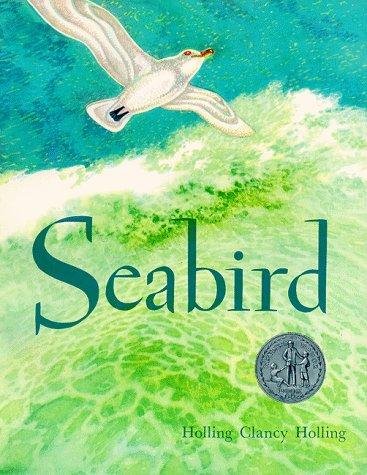
by Holling C. Holling
Picture book · ages 6–10 · grades 1–5 · 620L
A masterpiece of patient observation disguised as a picture book—the illustrations reward close, repeated looking and the text respects a child's intelligence without talking down.
Complementing on observation evidence
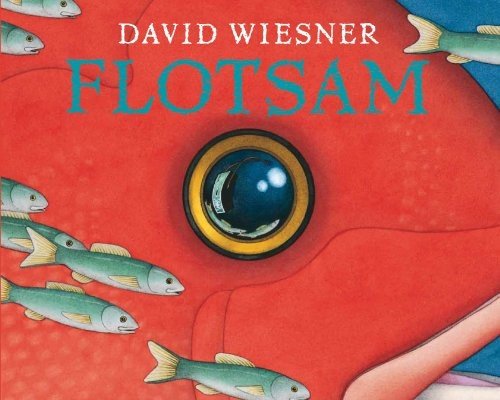
by David Wiesner
Picture book · ages 4–8 · grades K–3
A wordless masterpiece that teaches observation and sparks imagination without a single sentence—kids stare at the panels, construct their own theories, and beg to flip through it again.
by Leo Politi
Picture book · ages 4–8 · grades K–3 · 620L
A 1946 Newbery winner that holds up: lyrical, culturally grounded, and teaches patient observation without preaching—the swallows are a genuine draw, not a metaphor.
by Todd Tucker
Picture book · ages 4–8 · grades K–3 · 600L
A quiet masterpiece that teaches observation without a word of didacticism—kids naturally want to lift the flaps and peek, building real naturalist instincts.
We'd skip — for now
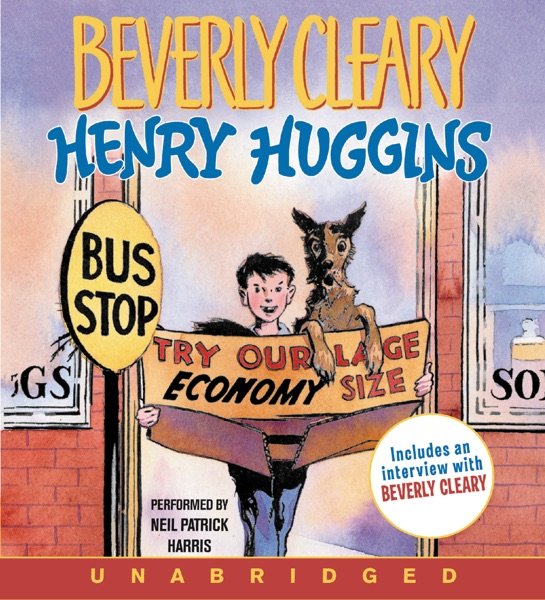
by Beverly Cleary
A step up — ages 8–10 · grades 3–5
Skip it if your kid dislikes stories about getting in mild trouble with adults or has aged past gentle, analog neighborhood humor (most do by age 11).