For a reader who just finished
Books like Love You Forever
after Love You Forever by Robert N. Munsch · ages 4–8
Same style
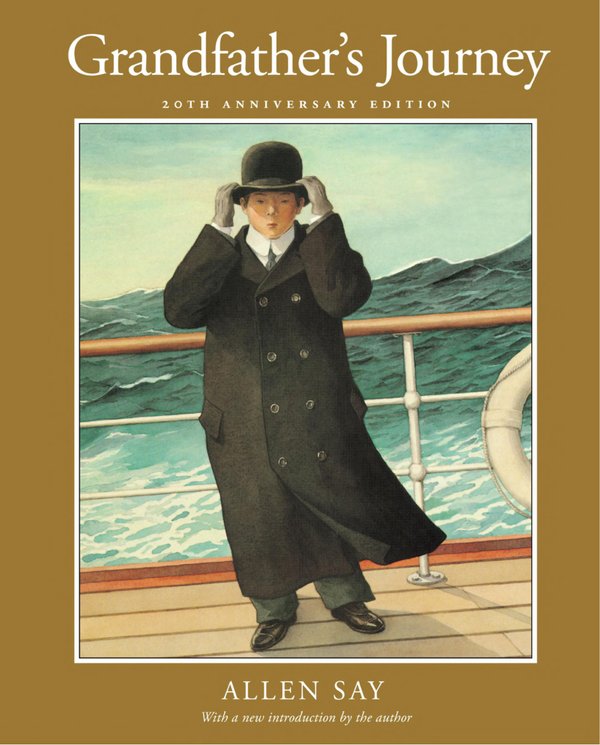
by Allen Say
Picture book · ages 4–8 · grades K–3 · 550L
A Caldecott winner that earns it—Say's watercolors and mirrored structure teach perspective-taking without sermon, and kids grasp the paradox of home better than most adults.
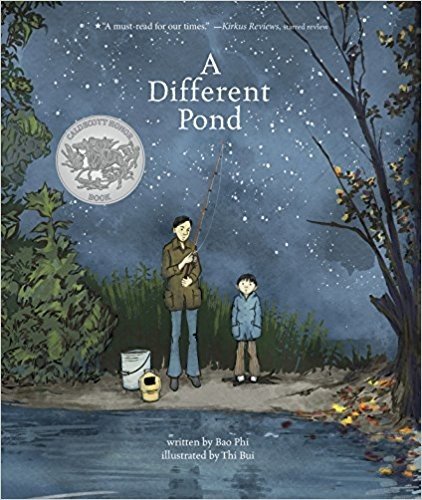
by Thi Bui
Picture book · ages 4–8 · grades K–3 · 620L
A quiet, unflinching portrait of love enacted through ritual—Bui's watercolor frames a single morning as a full portrait of belonging, labor, and what parents pass down without saying.
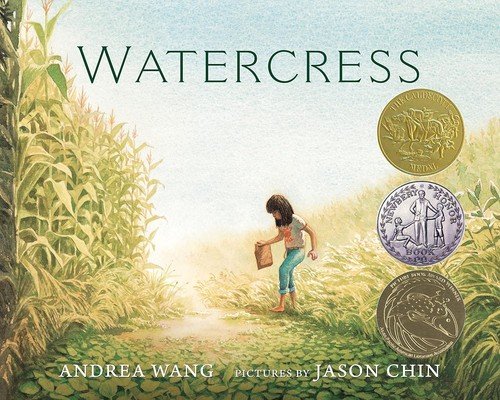
by Andrea Wang
Picture book · ages 5–9 · grades K–4 · 620L
Quietly luminous: a picture book about immigration that doesn't explain or apologize, just lets a child's joy in watercress and family translate the whole story.
Stretch them up
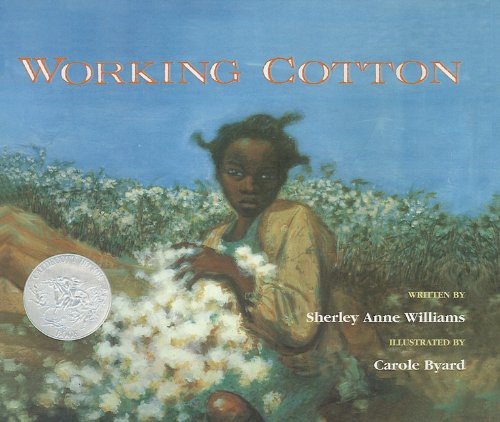
by Carole Byard
Picture book · ages 6–10 · grades 1–5 · 620L
Unflinching, lyrical, and told in the protagonist's own voice — this is the rare picture book that doesn't sentimentalize poverty but doesn't rob children of it either, and Carole Byard's collage art is extraordinary.

by Ed Young
Picture book · ages 4–8 · grades K–3 · 620L
A lyrical, elegantly illustrated memoir for young readers that treats childhood displacement and cultural identity with literary depth without condescension—the collage-style art is as much the story as the words.

by Faith Ringgold
Picture book · ages 4–8 · grades K–3 · 650L
A picture book that works at 6 and deepens at 9—Ringgold's quilted illustrations and Cassie's dreaming of flight and ownership will stick with your kid for years, and the 1930s Harlem setting opens conversations about racism, class, and what freedom means.
Complementing on love
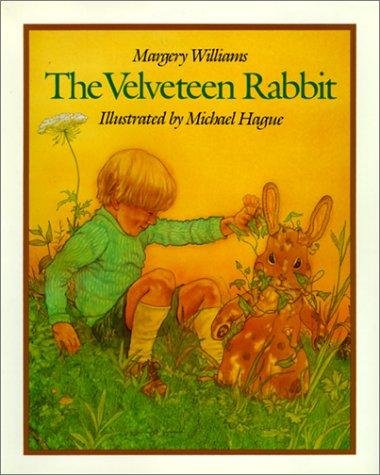
by Margery Williams Bianco
Picture book · ages 4–8 · grades K–3 · 750L
A quiet meditation on what makes something—or someone—real that lands as hard on kids as on adults; the prose is dense but the illustrations carry emotional weight that younger readers absorb without decoding every word.
We'd skip — for now
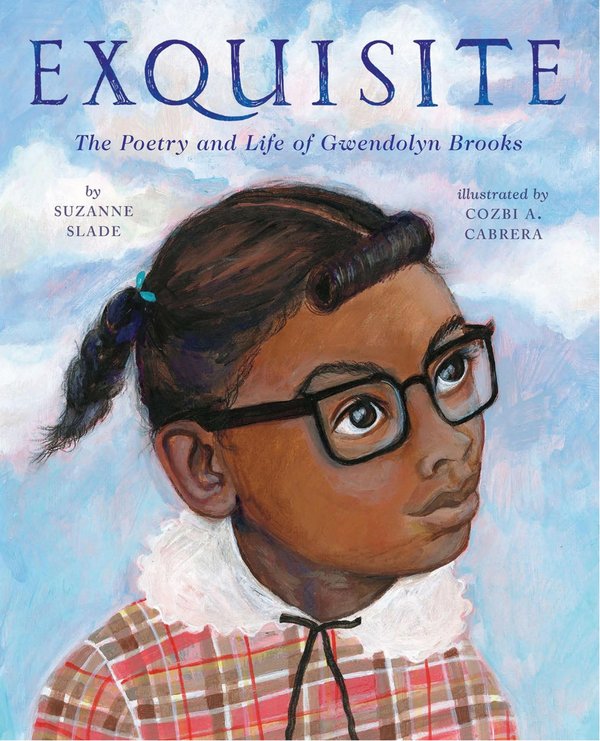
by Cozbi A. Cabrera
A step up — ages 8–12 · grades 3–7
Skip it if your child is uncomfortable with discussions of racial inequality or segregation — the book treats these as real forces Brooks had to navigate, not as background.
