For a reader who just finished
Books like Lord of the Flies
after Lord of the Flies by William Golding · age 12+
Same style
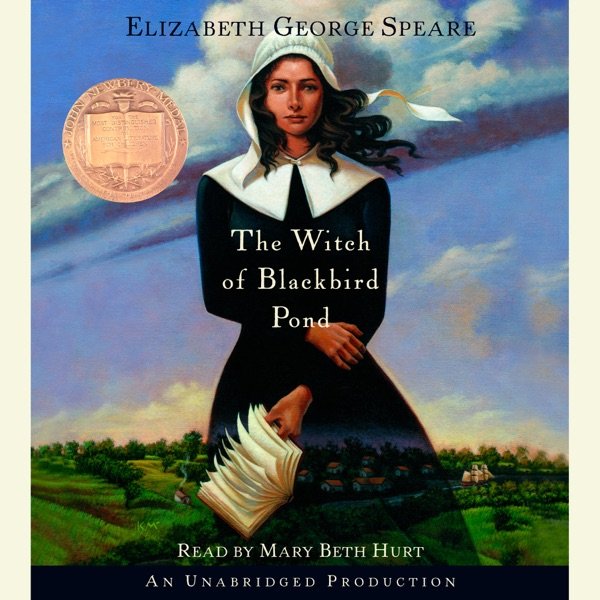
by Elizabeth George Speare
Middle grade · ages 10–14 · grades 5–9 · 790L
A masterpiece introduction to colonial America and witch hunts that treats both the historical record and Kit's inner life with genuine weight—the accusations feel terrifyingly real, not melodrama.
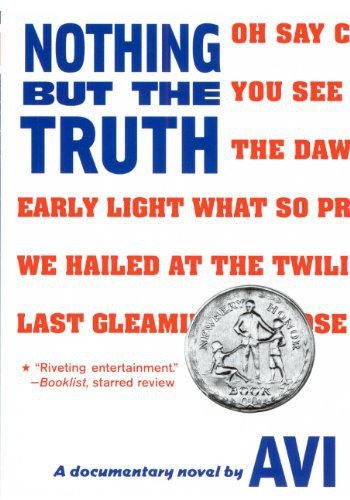
by Avi
Middle grade · ages 10–14 · grades 5–9 · 780L
A genuinely clever novel that teaches media literacy and perspective-taking without preaching—the format itself is the lesson, and kids debate it long after finishing.
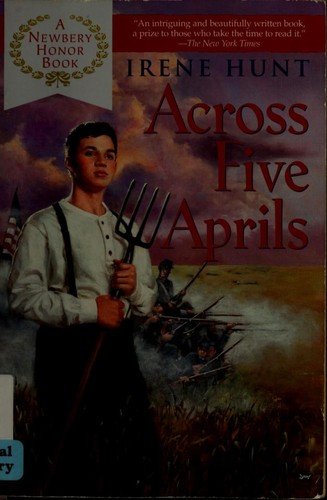
by Irene Hunt
Middle grade · ages 10–14 · grades 5–9 · 780L
The gold standard for introducing the Civil War through a child's eyes—emotionally mature, historically rigorous, and completely unsentimental about the cost of conflict.
Stretch them up
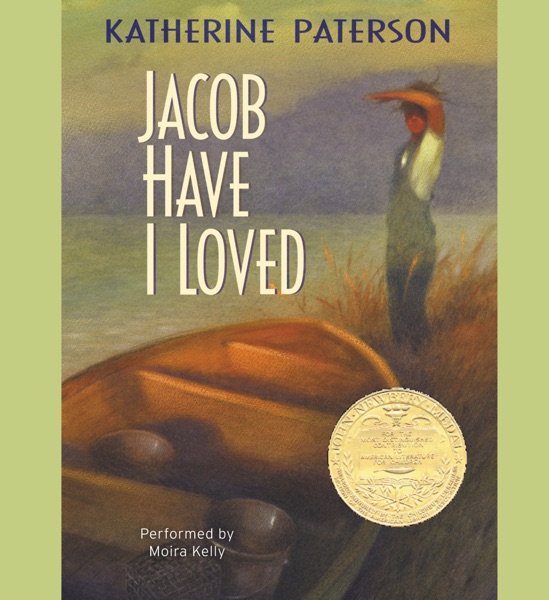
by Katherine Paterson
Middle grade · ages 10–14 · grades 5–9 · 820L
A Newbery winner that actually deserves it—Paterson writes sibling resentment and reconciliation with such honesty that kids recognize their own families, and the 1941 Chesapeake setting carries real historical weight without preaching.
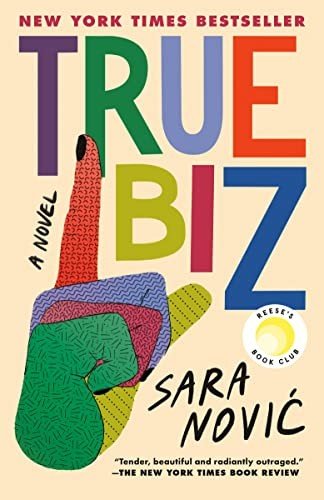
by Sara Nović
Middle grade · ages 10–14 · grades 5–9 · 820L
A genuinely original YA-crossover novel that treats Deaf culture as protagonist, not obstacle—kids learn to think in sign while wrestling with identity questions that feel urgent, not didactic.
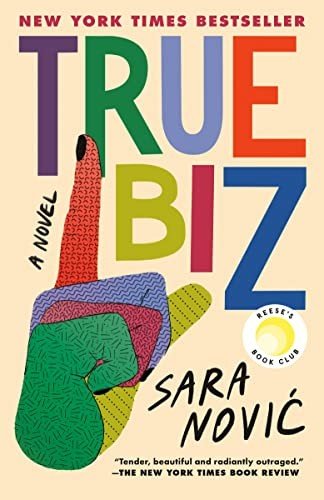
by Sara Nović
Middle grade · ages 10–14 · grades 5–9 · 820L
A genuinely original YA-crossover novel that treats Deaf culture as protagonist, not obstacle—kids learn to think in sign while wrestling with identity questions that feel urgent, not didactic.
We'd skip — for now
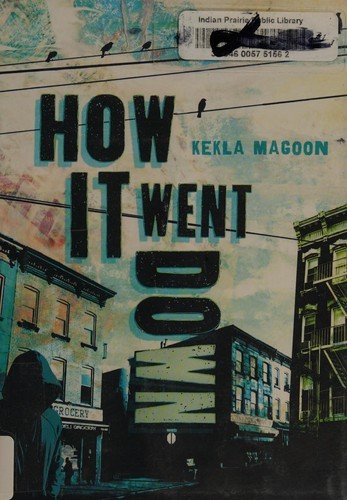
by Kekla Magoon
A step up — ages 12–16 · grades 7–11
Skip it if your child has experienced gun violence or lost someone to police/street violence — the narrative stays close to grief and won't feel distant.
