
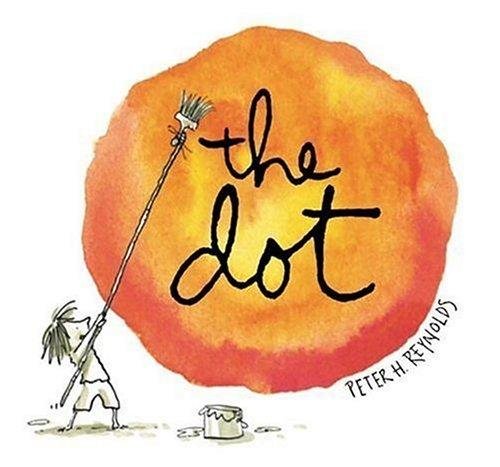
The Dot
by Peter H. Reynolds
Picture book · ages 4–8 · grades K–3 · 400L
The best picture book about creative confidence and self-doubt for this age; Reynolds's minimal, elegant illustrations prove the book's thesis on every page.
For a reader who just finished
after Leo the Late Bloomer by Robert Kraus · ages 4–8
Same style
by Peter H. Reynolds
Picture book · ages 4–8 · grades K–3 · 400L
The best picture book about creative confidence and self-doubt for this age; Reynolds's minimal, elegant illustrations prove the book's thesis on every page.
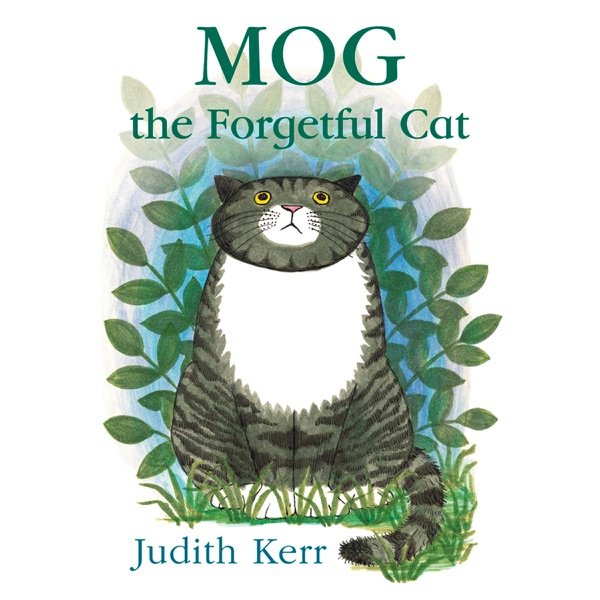
by Judith Kerr
Picture book · ages 3–7 · grades K–2 · 380L
Warm, gently funny, and endlessly rereadable—Kerr's illustrations make Mog's confusion and the family's exasperation unmistakably clear, and kids recognize themselves in loving something imperfect.
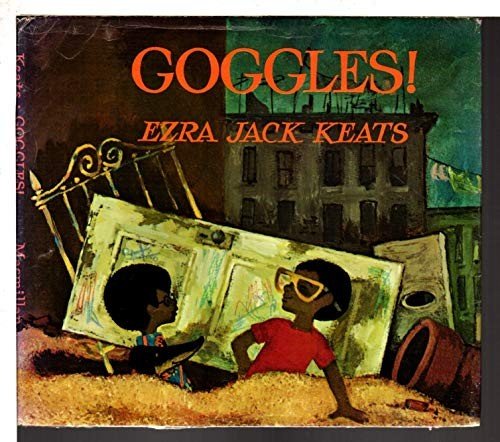
by Ezra Jack Keats
Picture book · ages 4–8 · grades K–3 · 300L
Keats captures urban childhood with honest joy and mild peril — kids recognize their own block in every collage, and the friendship beats land without preaching.
Stretch them up
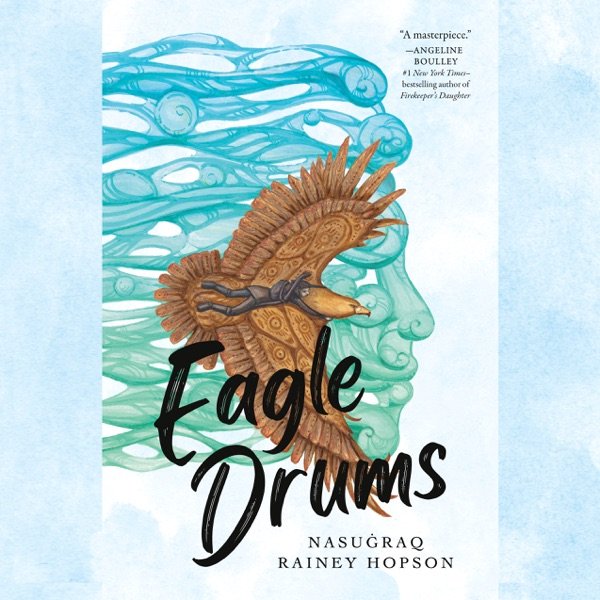
by Nasuġraq Rainey Hopson
Picture book · ages 4–8 · grades K–3 · 580L
A grounded, unsentimental introduction to Iñupiaq life and art-making that centers Indigenous voice and knowledge without performative cuteness—genuinely beautiful and necessary.
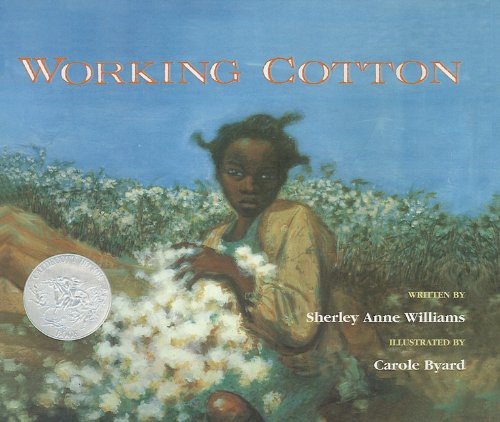
by Carole Byard
Picture book · ages 6–10 · grades 1–5 · 620L
Unflinching, lyrical, and told in the protagonist's own voice — this is the rare picture book that doesn't sentimentalize poverty but doesn't rob children of it either, and Carole Byard's collage art is extraordinary.

by Eloise Greenfield
Picture book · ages 6–9 · grades 1–4 · 620L
Eloise Greenfield's only children's book about the Great Migration—lyrical, historically grounded, and emotionally honest without being heavy; the illustrations anchor abstract history in real bodies and faces.
Complementing on growth mindset
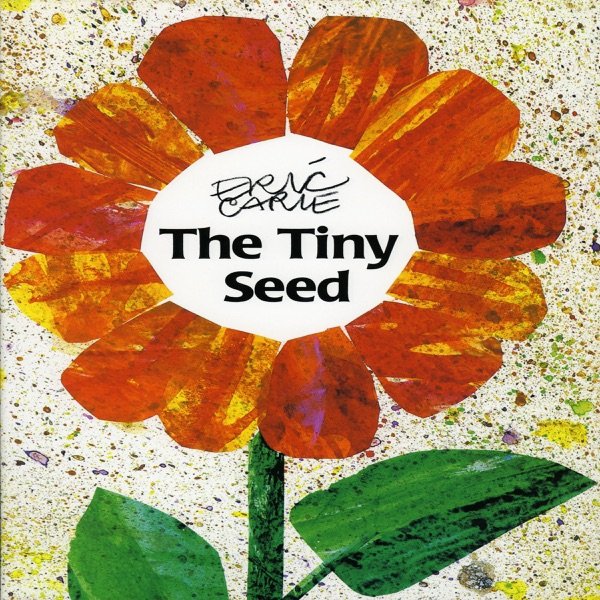
by Eric Carle
Picture book · ages 3–7 · grades K–2
Carle's masterwork on potential and patience—the die-cut pages and color progression make the seed's metamorphosis unforgettable, and kids internalize that small beginnings matter.
We'd skip — for now
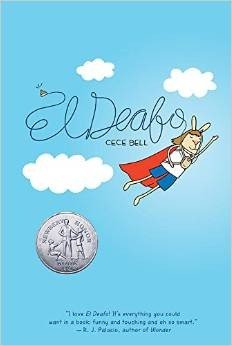
by Cece Bell
A step up — ages 8–12 · grades 3–7
Skip it if your child has had a recent major hearing change and isn't yet ready to process it through narrative; this book may reopen fresh wounds.