For a reader who just finished
Books like Langston Hughes: A Biography
after Langston Hughes: A Biography by Milton Meltzer · ages 10–14
Same style
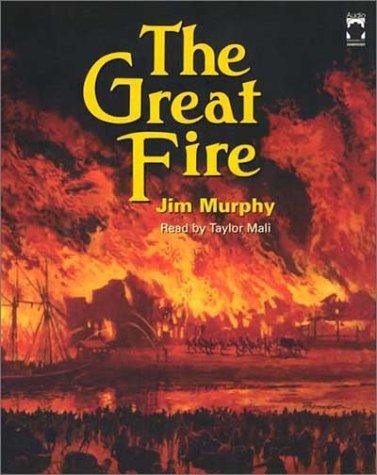
by Jim Murphy
Nonfiction · ages 9–12 · grades 4–7 · 800L
The gold standard for elementary history—Murphy weaves eyewitness accounts and period illustrations into a page-turner that teaches research method without feeling like a textbook.
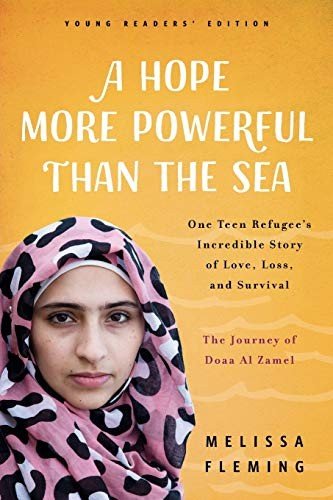
by Melissa Fleming
Nonfiction · ages 10–14 · grades 5–9 · 820L
Essential, age-appropriate introduction to the Syrian refugee crisis through a real teen's voice—unflinching about loss and fear, but anchored in Doaa's dignity and love for her family.
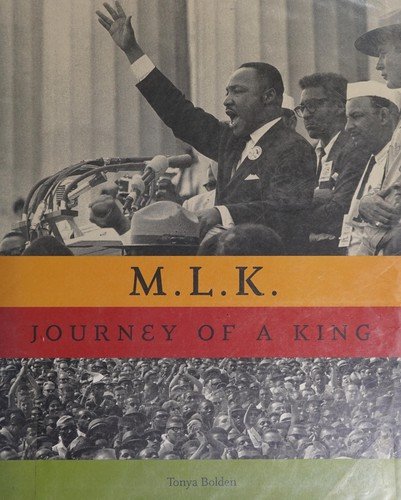
by Tonya Bolden
Nonfiction · ages 8–12 · grades 3–7 · 820L
The most readable MLK biography for this age — Bolden's accessible prose and archival illustrations make his humanity and moral reasoning vivid without sanitizing the violence or grief he faced.
Complementing on a good life
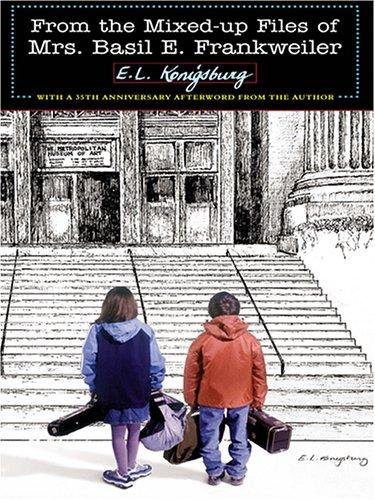
by E. L. Konigsburg
Middle grade · ages 8–12 · grades 3–7 · 790L
A book that trusts kids to be intellectually bored and emotionally complex—Claudia's runaway isn't melodrama, it's a quiet reckoning with identity that lands harder on rereads.
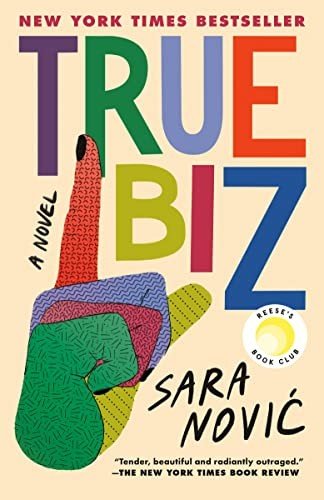
by Sara Nović
Middle grade · ages 10–14 · grades 5–9 · 820L
A genuinely original YA-crossover novel that treats Deaf culture as protagonist, not obstacle—kids learn to think in sign while wrestling with identity questions that feel urgent, not didactic.
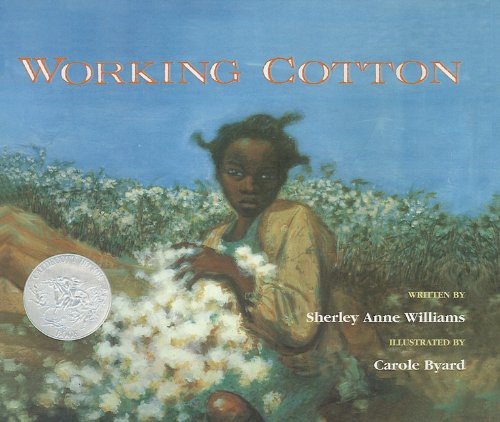
by Carole Byard
Picture book · ages 6–10 · grades 1–5 · 620L
Unflinching, lyrical, and told in the protagonist's own voice — this is the rare picture book that doesn't sentimentalize poverty but doesn't rob children of it either, and Carole Byard's collage art is extraordinary.
We'd skip — for now
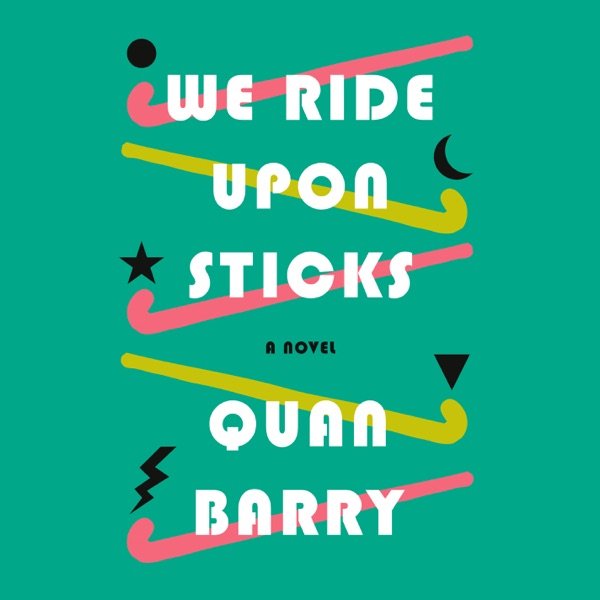
by Quan Barry
A step up — ages 14–18 · grades 9–12
Skip it if your teen is unsettled by queer content or has limited tolerance for literary structure and nonlinear narrative (shifts between verse, dialogue, and prose).
