For a reader who just finished
Books like Just Me
after Just Me by Marie Hall Ets · ages 3–7
Same style
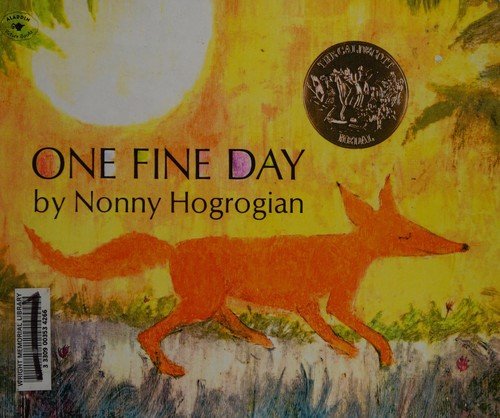
by Nonny Hogrogian
Picture book · ages 4–8 · grades K–3 · 300L
A Caldecott winner that holds up: the circular chain-of-consequence plot is elegant enough to reward rereads, and Hogrogian's folk-art illustrations ground an abstract concept in a lived village.
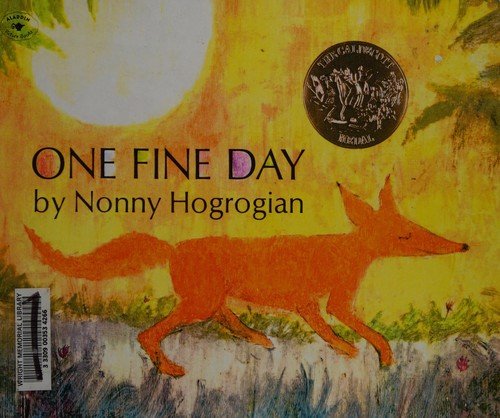
by Nonny Hogrogian
Picture book · ages 4–8 · grades K–3 · 300L
A Caldecott winner that holds up: the circular chain-of-consequence plot is elegant enough to reward rereads, and Hogrogian's folk-art illustrations ground an abstract concept in a lived village.
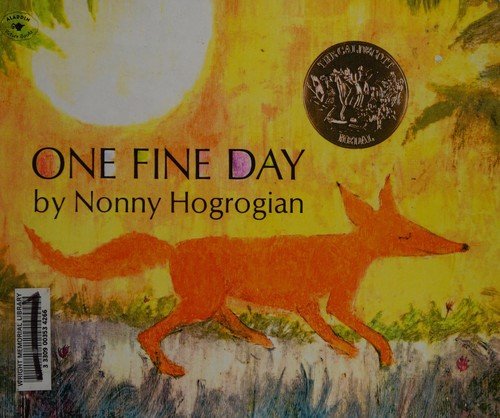
by Nonny Hogrogian
Picture book · ages 4–8 · grades K–3 · 300L
A Caldecott winner that holds up: the circular chain-of-consequence plot is elegant enough to reward rereads, and Hogrogian's folk-art illustrations ground an abstract concept in a lived village.
Stretch them up
no coverby Gordon C. James
Picture book · ages 4–8 · grades K–3 · 500L
A radiant celebration of Black barbershop culture that gives kids language for pride, ritual, and identity without a hint of didacticism—the illustrations do the heavy lifting.
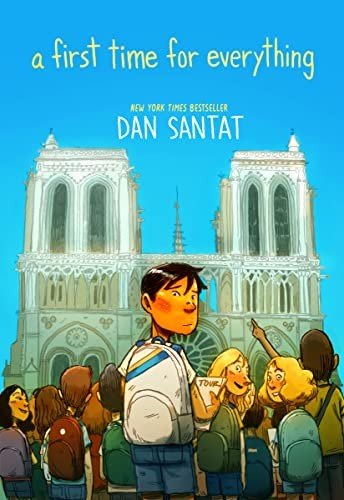
by Dan Santat
Picture book · ages 4–8 · grades K–3 · 500L
Santat's warmest work — a validation for shy kids that doing things scared is normal, and that friendship makes it easier; read-aloud gold for ages 5–7.
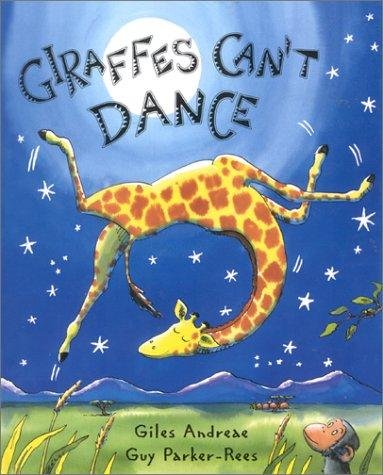
by Giles Andreae
Picture book · ages 3–7 · grades K–2 · 480L
A near-perfect picture book about difference and courage — the rhyme carries kids through, the illustrations are joyful, and the ending doesn't feel preachy because Gerald's fear is treated as real.
Complementing on imagination

by Nancy Willard
Picture book · ages 4–9 · grades K–4 · 620L
A Newbery Medal winner that reads like illustrated poetry — Willard's language is playful and precise, Blake's influence is felt throughout, and children return to it because it feels like a secret.
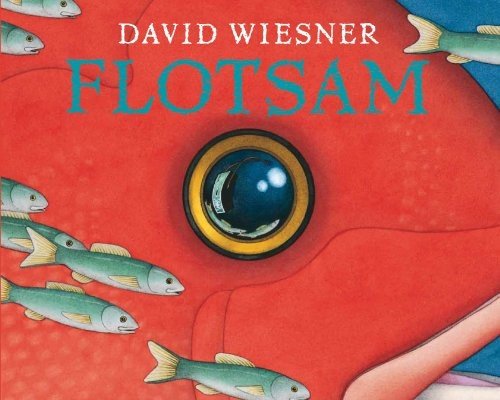
by David Wiesner
Picture book · ages 4–8 · grades K–3
A wordless masterpiece that teaches observation and sparks imagination without a single sentence—kids stare at the panels, construct their own theories, and beg to flip through it again.
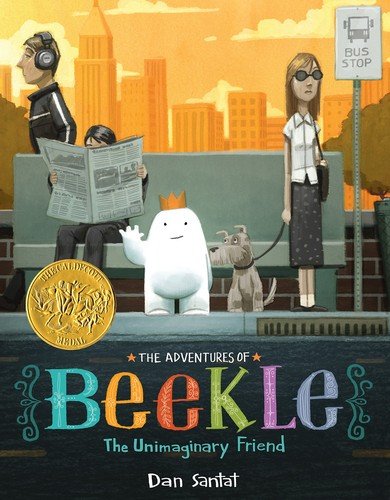
by Dan Santat
Picture book · ages 4–8 · grades K–3 · 620L
A Caldecott winner that genuinely earns it — the wordless passages and Santat's watercolor spreads do more work than the text, and the longing-to-connection arc lands with real emotional weight for kindergarteners and up.
We'd skip — for now
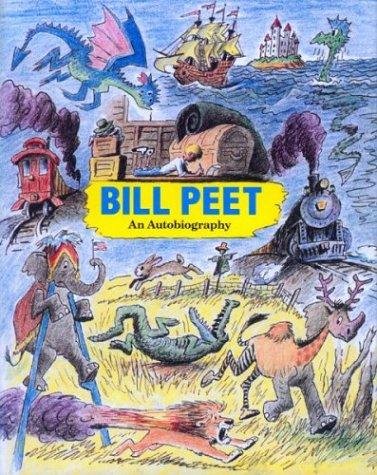
by Bill Peet
A step up — ages 8–12 · grades 3–7
Skip it if your child has no interest in drawing or animation, or if they find long picture books (chronological rather than episodic) tedious.
