For a reader who just finished
Books like JUNGLEKEEPER
after JUNGLEKEEPER by Paul Rosolie · ages 8–12
Same style
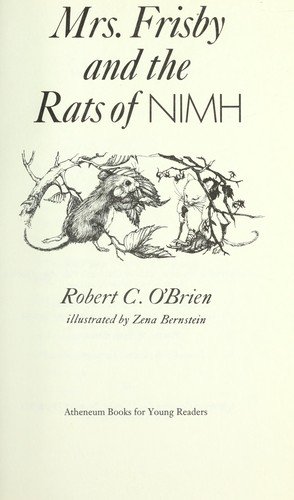
by Robert C. O'Brien
Middle grade · ages 8–12 · grades 3–7 · 780L
A genuinely intelligent adventure where the protagonist solves problems with her mind, not magic—the rats are neither evil nor saviors, and Mrs. Frisby's ordinary maternal courage is the entire book's engine.
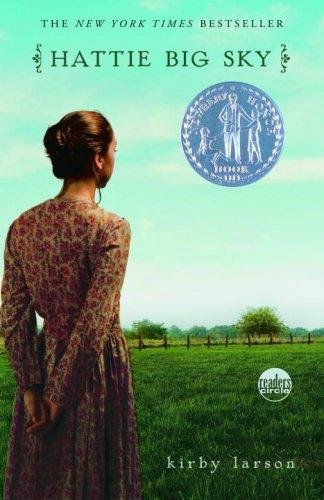
by Kirby Larson
Middle grade · ages 10–14 · grades 5–9 · 750L
A Newbery winner that actually earns it—Hattie's voice is sharp, funny, and unsentimentally brave, and the historical detail (homesteading law, drought, WWI) lands without preaching.
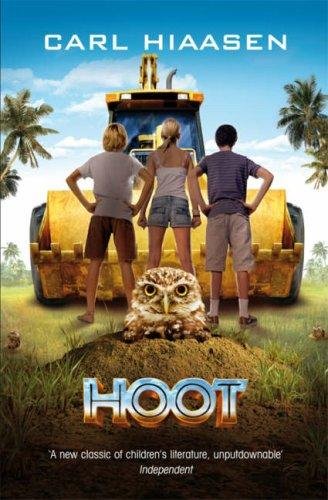
by Carl Hiaasen
Middle grade · ages 10–14 · grades 5–9 · 750L
A genuinely funny, page-turning adventure that sneaks real environmentalism and civic courage into a story kids actually want to reread—the first book that makes activism feel like kid rebellion.
Stretch them up
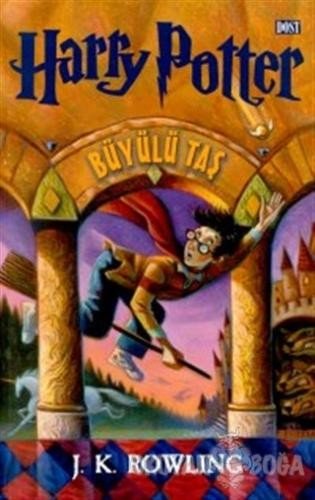
by J. K. Rowling
Middle grade · ages 9–12 · grades 4–7 · 880L
The book that redefined children's fiction — richly imagined world, genuine stakes, prose that respects young readers, and a protagonist's journey from isolation to belonging that doesn't feel saccharine.
by James Islington
Middle grade · ages 10–14 · grades 5–9 · 890L
A genuinely sophisticated magic system wrapped in a mystery about identity — harder than typical middle grade but rewarding for strong readers who don't need constant humor.

by Alexandre Dumas
Middle grade · ages 10–14 · grades 5–9 · 850L
Dumas's most intellectually challenging novel for this age — the identity-swap plot demands careful attention, but the pacing and moral ambiguity reward readers ready to wrestle with unfair systems.
Complementing on a good life
by E. L. Konigsburg
Middle grade · ages 8–12 · grades 3–7 · 790L
A book that trusts kids to be intellectually bored and emotionally complex—Claudia's runaway isn't melodrama, it's a quiet reckoning with identity that lands harder on rereads.
by Karen Cushman
Middle grade · ages 10–14 · grades 5–9 · 780L
A Newbery winner that earns it: a girl with no name becomes herself through honest work and adult recognition; the medieval setting and childbirth apprenticeship feel urgent and real, not decorative.
by Rita Williams-Garcia
Middle grade · ages 8–12 · grades 3–7 · 750L
A richly layered book about sisterhood, identity, and reckoning with parental complexity that treats kids' emotional intelligence seriously—the ending doesn't tidy up, which is exactly why it stays with them.
We'd skip — for now
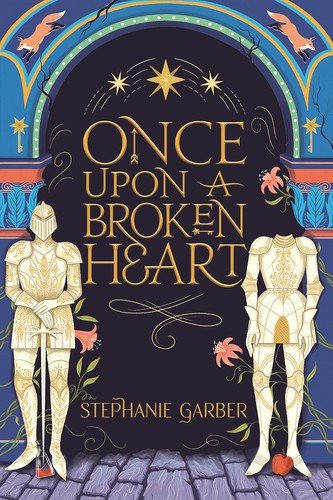
by Stephanie Garber
A step up — ages 12–16 · grades 7–11
Skip it if your teen reader is not yet interested in romantic tension as a plot driver, or if they've outgrown fairytale retellings.
