For a reader who just finished
Books like It Starts with Us
after It Starts with Us by Colleen Hoover · age 18+
Same style
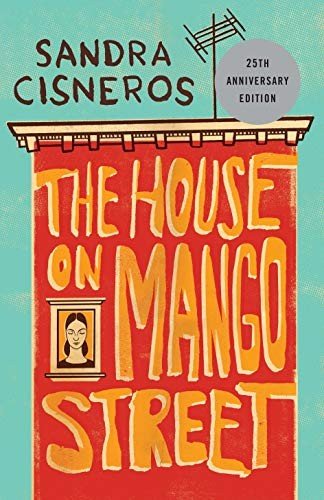
by Sandra Cisneros
Young adult · ages 10–18 · grades 5–12 · 820L
The rare book that works as both a literary milestone and an honest portrait of childhood longing—Cisneros's poetic vignettes give kids language for feelings they didn't know how to name.
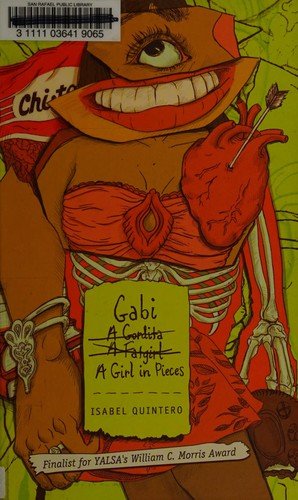
by Isabel Quintero
Young adult · ages 14–18 · grades 9–12 · 820L
Essential YA debut that refuses simplification—Gabi's voice is sharp and specific, her family is loving *and* complicated, and the prose (in journal entries, sketches, and lists) models how to write about identity without preaching.
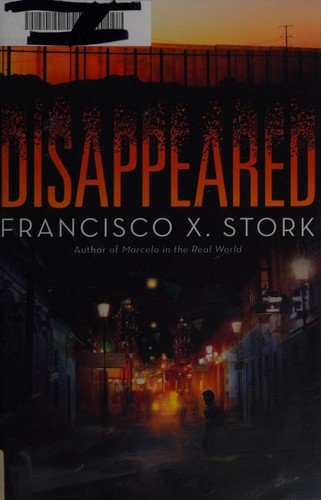
by Francisco X. Stork
Young adult · ages 14–18 · grades 9–12 · 800L
Stork writes the border with specificity and moral seriousness without didacticism; the mystery plot holds urgency while the real weight is identity, complicity, and what it means to disappear in plain sight.
Stretch them up
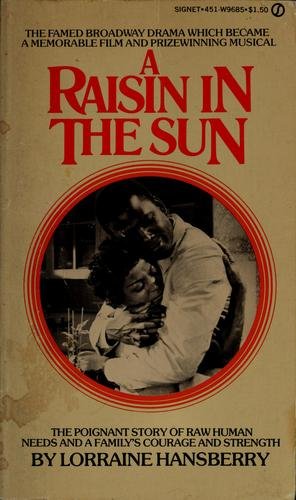
by Lorraine Hansberry
Young adult · ages 14–18 · grades 9–12 · 1020L
The canonical American play about Black family life and the cost of systemic racism—essential reading for teens old enough to hold its complexity and grief, and likely to reshape how they think about class, aspiration, and dignity.
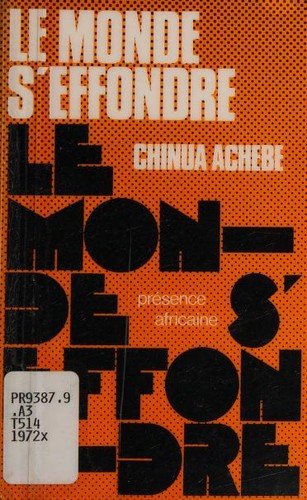
by Chinua Achebe
Young adult · ages 14–18 · grades 9–12 · 1020L
Essential reading that flips the colonial narrative—Achebe's prose is spare and powerful, and the cultural detail grounded enough that teen readers grasp both Igbo society and the tragedy of its encounter with empire.

by Karen Tei Yamashita
Young adult · ages 14–18 · grades 9–12 · 1020L
A formally inventive, intellectually demanding novel about real Asian American activism that refuses easy sentimentality—challenging but essential for teens ready to grapple with gentrification, community erasure, and the limits of legal resistance.
Complementing on a good life
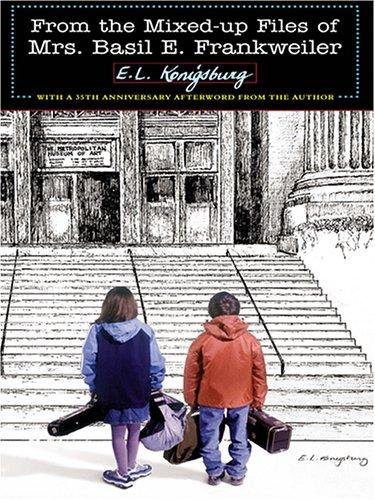
by E. L. Konigsburg
Middle grade · ages 8–12 · grades 3–7 · 790L
A book that trusts kids to be intellectually bored and emotionally complex—Claudia's runaway isn't melodrama, it's a quiet reckoning with identity that lands harder on rereads.
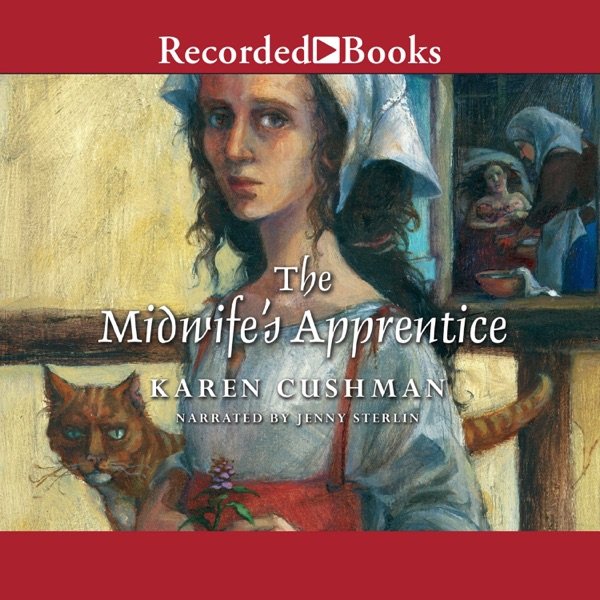
by Karen Cushman
Middle grade · ages 10–14 · grades 5–9 · 780L
A Newbery winner that earns it: a girl with no name becomes herself through honest work and adult recognition; the medieval setting and childbirth apprenticeship feel urgent and real, not decorative.
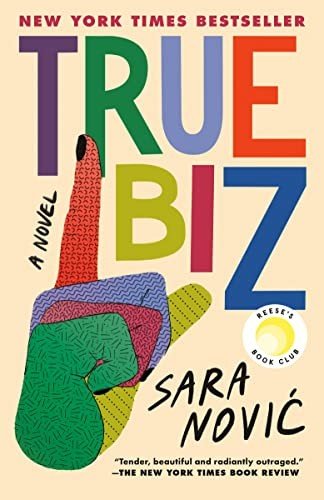
by Sara Nović
Middle grade · ages 10–14 · grades 5–9 · 820L
A genuinely original YA-crossover novel that treats Deaf culture as protagonist, not obstacle—kids learn to think in sign while wrestling with identity questions that feel urgent, not didactic.
