For a reader who just finished
Books like If You Made a Million
after If You Made a Million by David M. Schwartz · ages 4–8
Same style
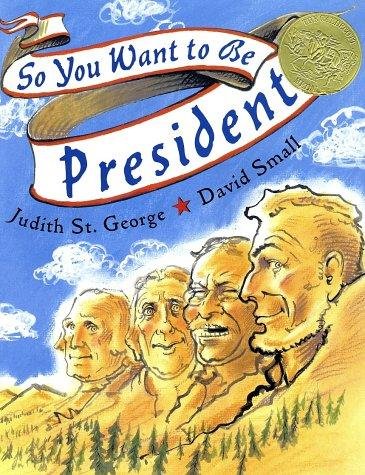
by David Small
Picture book · ages 4–8 · grades K–3 · 620L
A Caldecott winner that makes U.S. history genuinely funny — kids laugh at the absurdity while absorbing real facts about presidents in a format that's pure delight to reread.
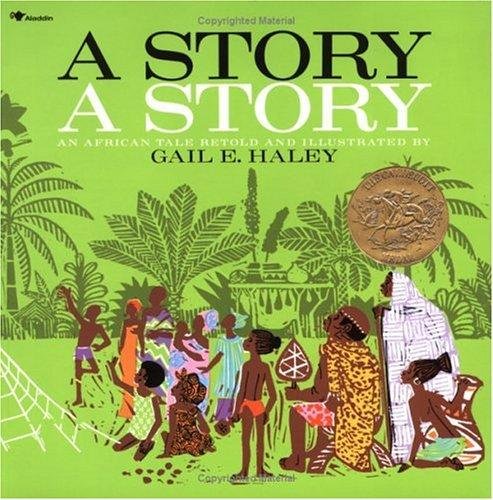
by Gail E. Haley
Picture book · ages 4–8 · grades K–3 · 620L
A Caldecott winner that works as folklore entry point, visual feast, and celebration of cleverness over brute strength—the illustrations anchor the oral tradition on the page without deadening it.
by Melissa Sweet
Picture book · ages 5–9 · grades K–4 · 620L
Melissa Sweet's love letter to words and precision—luminous illustrations and a real biography that makes linguistic obsession feel like the greatest adventure, perfect for kids who already love language or need to discover they do.
Stretch them up
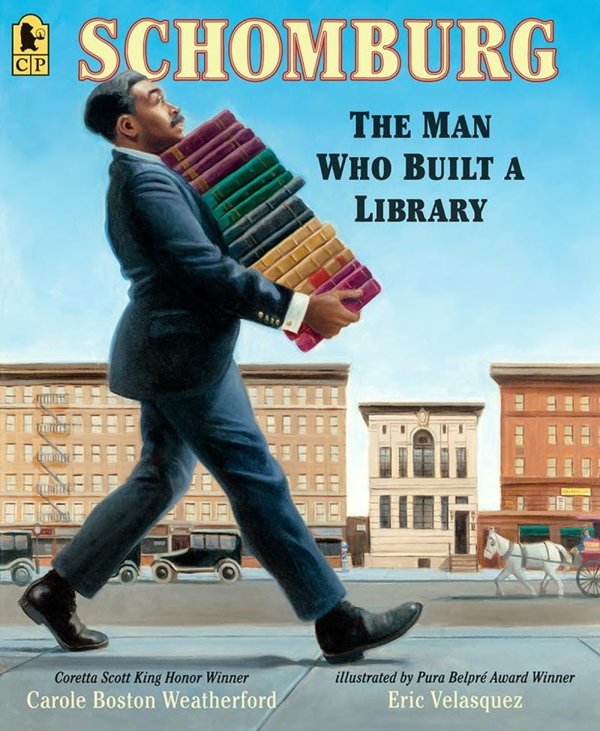
by Carole Boston Weatherford
Picture book · ages 6–10 · grades 1–5 · 780L
Weatherford's verse and Jamila Rowser's painterly illustrations make Schomburg's archival mission feel urgent and beautiful—kids understand he built something essential, not just collected things.
by Melissa Sweet
Picture book · ages 5–9 · grades K–4 · 720L
A genuinely smart picture book about how language works and why organizing ideas matters — Melissa Sweet's collage-style illustrations make Roget's obsession visible and contagious.
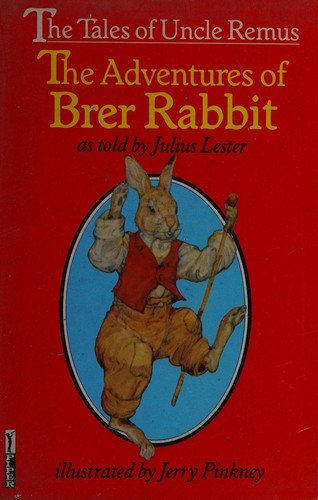
by Julius Lester
Picture book · ages 6–10 · grades 1–5 · 750L
Julius Lester's retelling is the only honest modern edition—he restored the African-American oral tradition, dropped the racist frame narrative, and made the language vibrant; kids love the trickster tales, and the wit genuinely teaches.
Complementing on money basics
no coverby Mellody Hobson
Nonfiction · ages 5–9 · grades K–4 · 620L
Mellody Hobson's voice makes money genuinely approachable for younger kids — practical, inclusive, and unapologetically focused on agency and giving, not just accumulation.
We'd skip — for now
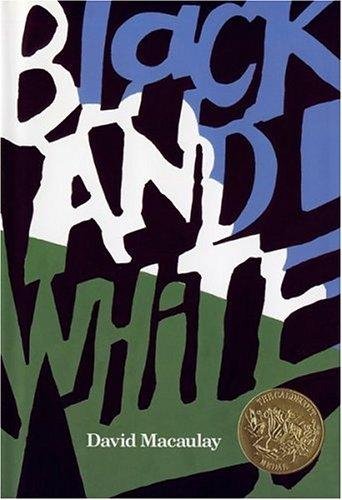
by David Macaulay
A step up — ages 8–12 · grades 3–7
Skip it if your child finds open-ended narratives frustrating or needs explicit narrative closure; the ambiguity is the point.
