For a reader who just finished
Books like If You Could See the Sun
after If You Could See the Sun by Ann Liang · ages 14–18
Same style
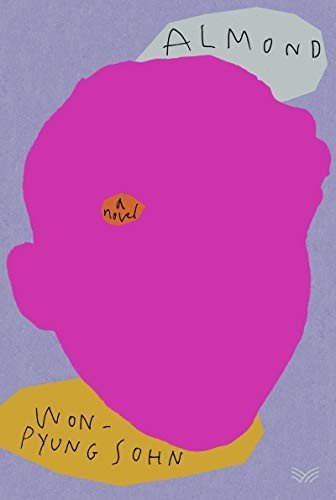
by Won-Pyung Sohn
Young adult · ages 14–18 · grades 9–12 · 850L
A genuinely unsettling and precise portrait of emotional bluntness—Yunjae's flatness never softens for comfort, and the book earns its quiet claim that connection doesn't require feeling the same things.

by Shyam Selvadurai
Young adult · ages 14–18 · grades 9–12 · 820L
A landmark LGBTQ+ coming-of-age novel that doesn't flinch from racism, family dysfunction, or desire—precise, unsentimental, and essential for teens working through identity and belonging.
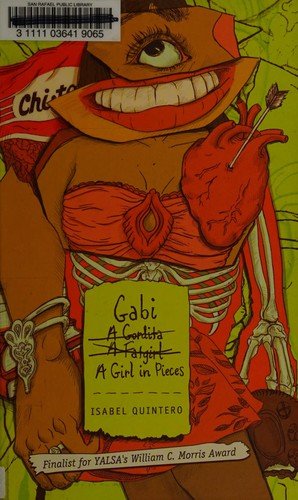
by Isabel Quintero
Young adult · ages 14–18 · grades 9–12 · 820L
Essential YA debut that refuses simplification—Gabi's voice is sharp and specific, her family is loving *and* complicated, and the prose (in journal entries, sketches, and lists) models how to write about identity without preaching.
Stretch them up
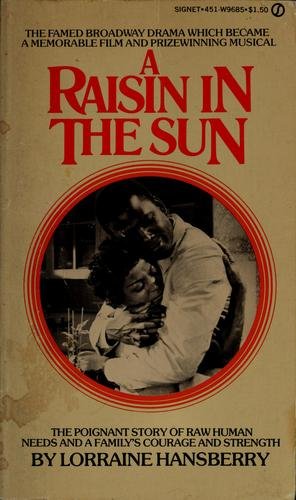
by Lorraine Hansberry
Young adult · ages 14–18 · grades 9–12 · 1020L
The canonical American play about Black family life and the cost of systemic racism—essential reading for teens old enough to hold its complexity and grief, and likely to reshape how they think about class, aspiration, and dignity.
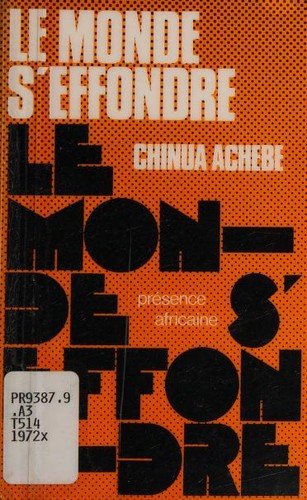
by Chinua Achebe
Young adult · ages 14–18 · grades 9–12 · 1020L
Essential reading that flips the colonial narrative—Achebe's prose is spare and powerful, and the cultural detail grounded enough that teen readers grasp both Igbo society and the tragedy of its encounter with empire.
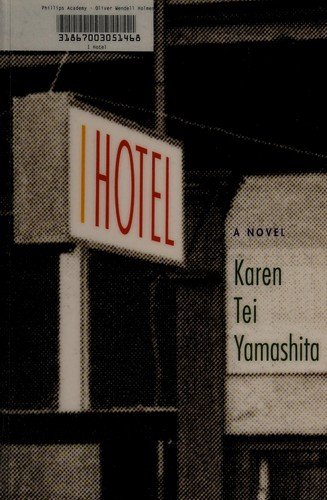
by Karen Tei Yamashita
Young adult · ages 14–18 · grades 9–12 · 1020L
A formally inventive, intellectually demanding novel about real Asian American activism that refuses easy sentimentality—challenging but essential for teens ready to grapple with gentrification, community erasure, and the limits of legal resistance.
Complementing on kindness
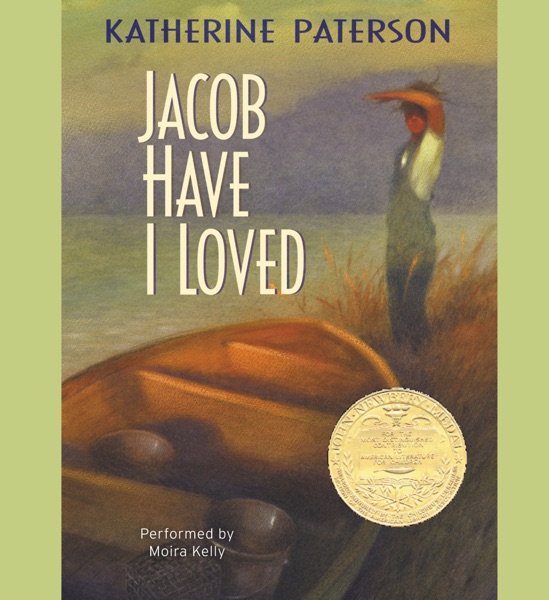
by Katherine Paterson
Middle grade · ages 10–14 · grades 5–9 · 820L
A Newbery winner that actually deserves it—Paterson writes sibling resentment and reconciliation with such honesty that kids recognize their own families, and the 1941 Chesapeake setting carries real historical weight without preaching.
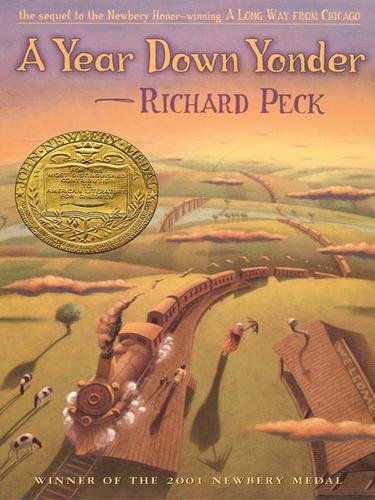
by Richard Peck
Middle grade · ages 10–14 · grades 5–9 · 780L
A Depression-era gem that feels lived-in and funny—Grandma Dowdy is one of children's literature's most memorable adults, and the year-long structure lets Richard Peck build genuine affection for rural Illinois.
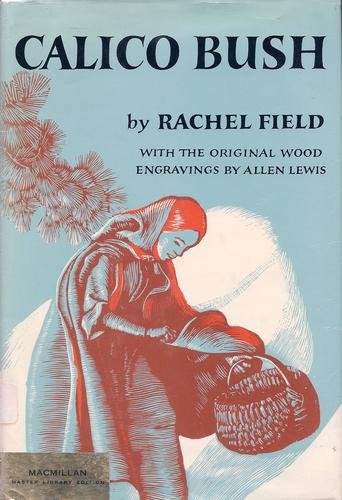
by Rachel Field
Middle grade · ages 10–14 · grades 5–9 · 820L
A Newbery winner that deserves recovery—rich, unsentimental historical fiction about a girl learning to belong after loss, with prose that holds up and a frontier that feels real, not romanticized.
