For a reader who just finished
Books like If I Ran the Zoo
after If I Ran the Zoo by Dr. Seuss · ages 4–8
Same style
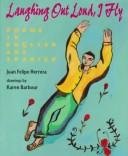
by Juan Felipe Herrera
Verse novel · ages 6–10 · grades 1–5 · 520L
A masterwork of bilingual wordplay that reads aloud with infectious energy—kids feel seen in the code-switching, and the poems actively teach that two languages in one mind is a superpower, not a problem.
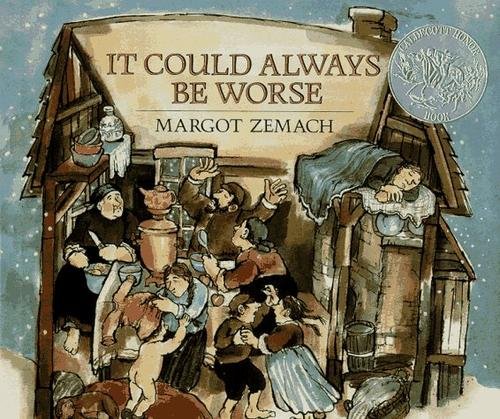
by Margot Zemach
Picture book · ages 5–8 · grades K–3 · 520L
A Yiddish folktale adapted with Zemach's exuberant, chaotic illustrations that make the absurdity visible — kids laugh hard and genuinely internalize that 'worse' is always possible, so appreciate what you have.
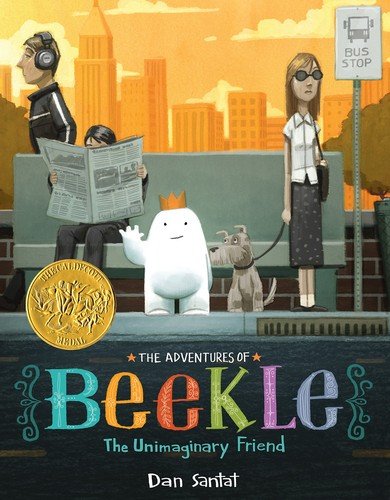
by Dan Santat
Picture book · ages 4–8 · grades K–3 · 620L
A Caldecott winner that genuinely earns it — the wordless passages and Santat's watercolor spreads do more work than the text, and the longing-to-connection arc lands with real emotional weight for kindergarteners and up.
Stretch them up

by Faith Ringgold
Picture book · ages 4–8 · grades K–3 · 650L
A picture book that works at 6 and deepens at 9—Ringgold's quilted illustrations and Cassie's dreaming of flight and ownership will stick with your kid for years, and the 1930s Harlem setting opens conversations about racism, class, and what freedom means.
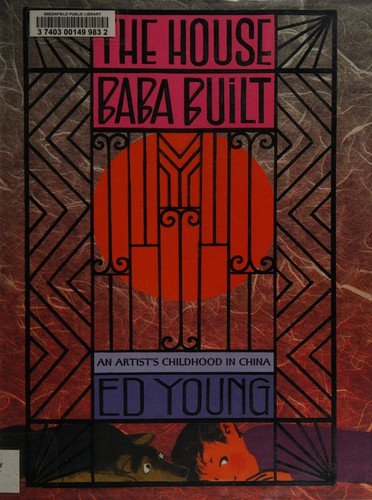
by Ed Young
Picture book · ages 4–8 · grades K–3 · 620L
A lyrical, elegantly illustrated memoir for young readers that treats childhood displacement and cultural identity with literary depth without condescension—the collage-style art is as much the story as the words.
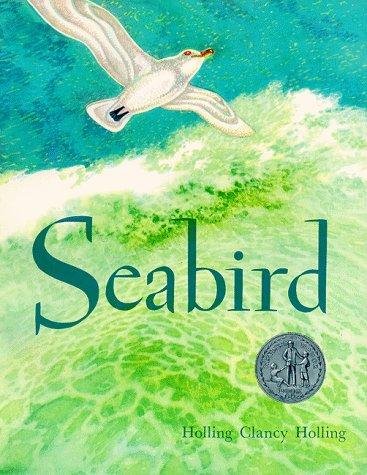
by Holling C. Holling
Picture book · ages 6–10 · grades 1–5 · 620L
A masterpiece of patient observation disguised as a picture book—the illustrations reward close, repeated looking and the text respects a child's intelligence without talking down.
Complementing on imagination
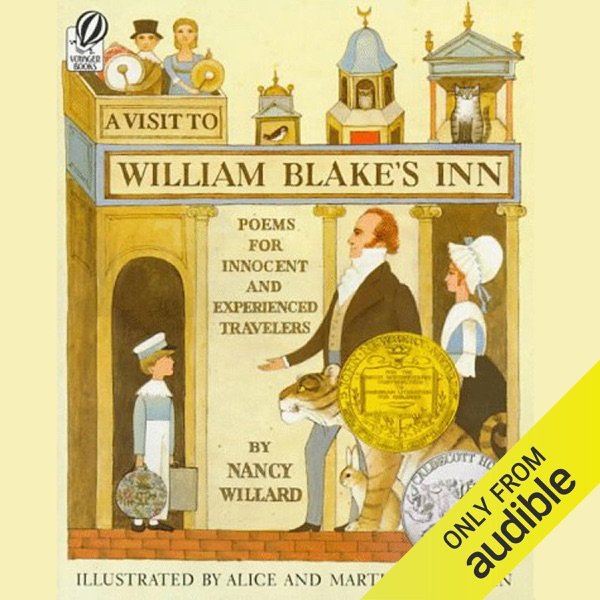
by Nancy Willard
Picture book · ages 4–9 · grades K–4 · 620L
A Newbery Medal winner that reads like illustrated poetry — Willard's language is playful and precise, Blake's influence is felt throughout, and children return to it because it feels like a secret.
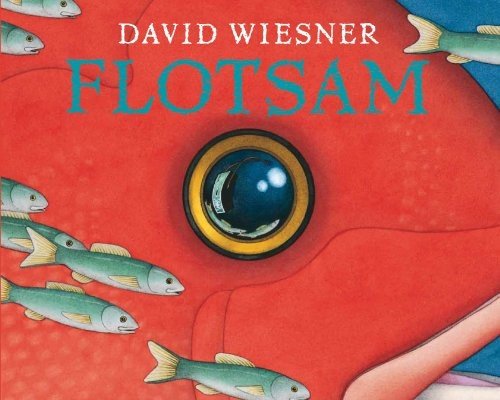
by David Wiesner
Picture book · ages 4–8 · grades K–3
A wordless masterpiece that teaches observation and sparks imagination without a single sentence—kids stare at the panels, construct their own theories, and beg to flip through it again.
by Dan Santat
Picture book · ages 4–8 · grades K–3 · 620L
A Caldecott winner that genuinely earns it — the wordless passages and Santat's watercolor spreads do more work than the text, and the longing-to-connection arc lands with real emotional weight for kindergarteners and up.
We'd skip — for now
by Roald Dahl
A step up — ages 8–12 · grades 3–7
Skip it if your child needs a warm, affirming read; the ending is deliberately cynical and may feel unsettling to younger or sensitive readers.
