For a reader who just finished
Books like I Lived on Butterfly Hill
after I Lived on Butterfly Hill by Marjorie Agosín · ages 8–12
Same style
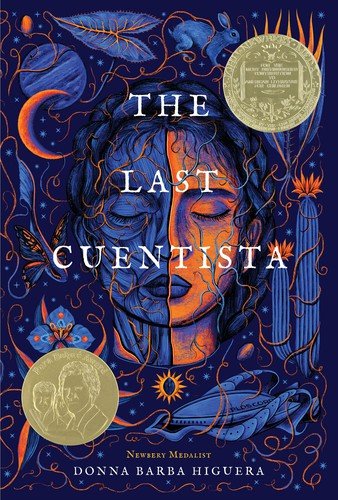
by Donna Barba Higuera
Middle grade · ages 10–14 · grades 5–9 · 750L
A Newbery winner that earns it — the dual timeline builds genuine emotional complexity, and the book trusts kids to grapple with identity and cultural erasure without oversimplifying.
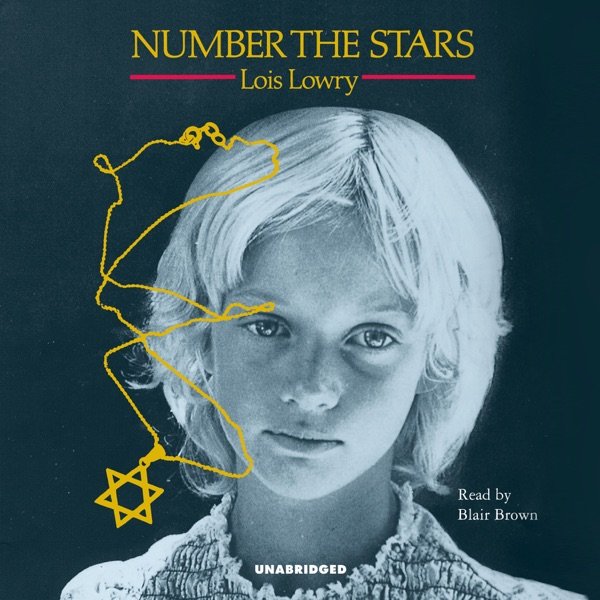
by Lois Lowry
Middle grade · ages 10–14 · grades 5–9 · 740L
A masterwork of historical fiction for middle grade—Lowry trusts kids with real stakes and moral complexity without traumatizing them, and the quiet bravery of an ordinary girl becomes indelible.
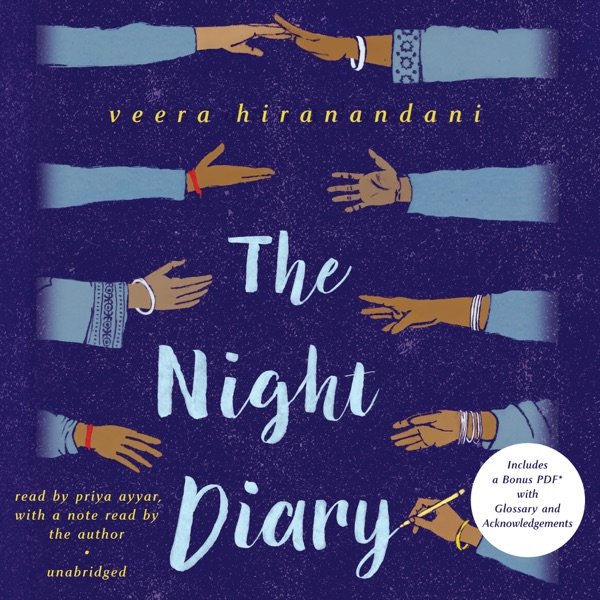
by Veera Hiranandani
Middle grade · ages 10–14 · grades 5–9 · 720L
A rare middle-grade novel that trusts kids with historical nuance and emotional weight; the dual timeline and diary format make partition real, not abstract.
Stretch them up
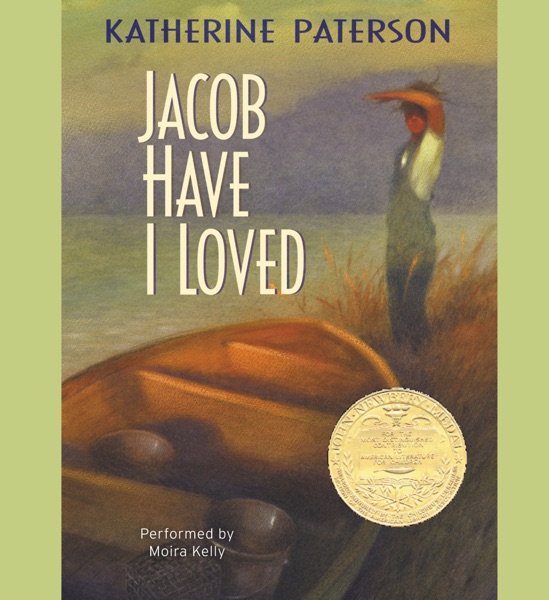
by Katherine Paterson
Middle grade · ages 10–14 · grades 5–9 · 820L
A Newbery winner that actually deserves it—Paterson writes sibling resentment and reconciliation with such honesty that kids recognize their own families, and the 1941 Chesapeake setting carries real historical weight without preaching.
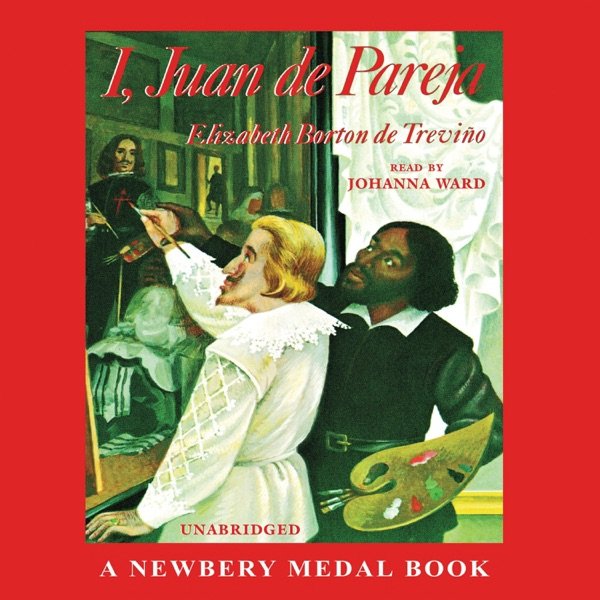
by Elizabeth Borton de Treviño
Middle grade · ages 10–14 · grades 5–9 · 820L
A Newbery winner that doesn't condescend—serious, historically grounded, and genuinely about how one person's refusal to accept powerlessness can remake a life; the prose is elegant and the emotional core is real.
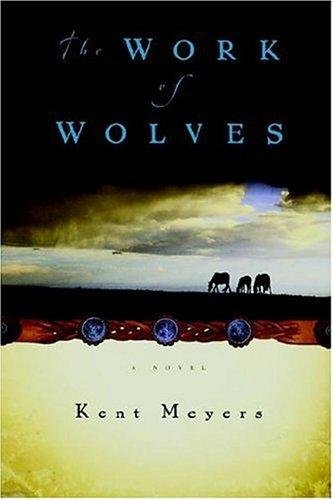
by Kent Meyers
Middle grade · ages 10–14 · grades 5–9 · 780L
Quiet, grounded coming-of-age where a Nebraska kid learns to trust observation over inherited fear—Meyers' prose is deliberate and the wolf ecology is genuinely taught, not romanticized.
Complementing on truth
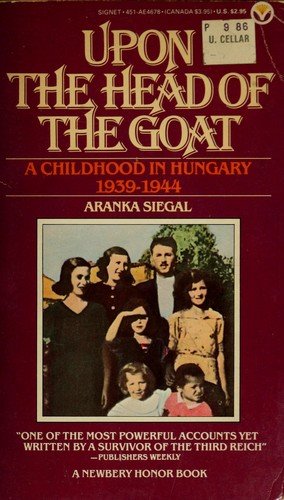
by Aranka Siegal
Nonfiction · ages 10–14 · grades 5–9 · 840L
A masterwork of Holocaust memoir written in a child's voice—unflinching about fear and loss, but grounded in the texture of ordinary summers, school, and family that make the encroaching darkness undeniable.
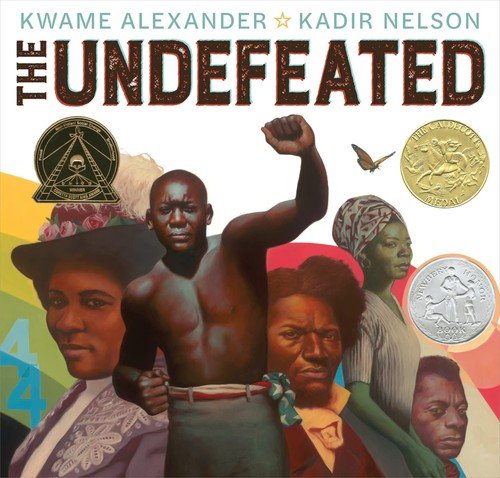
by Kwame Alexander
Verse novel · ages 10–14 · grades 5–9 · 620L
A landmark book that uses verse to make 500 years of Black American history personal and urgent—kids understand their own power within a larger story.
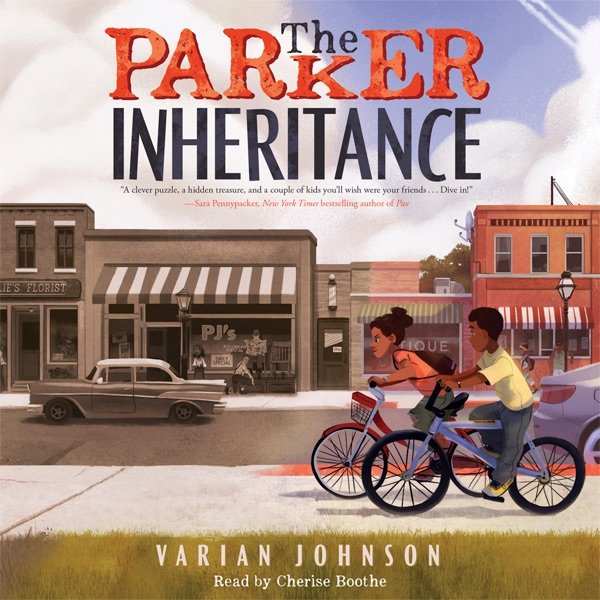
by Varian Johnson
Middle grade · ages 8–12 · grades 3–7 · 730L
A genuinely smart mystery that teaches the hard history of Jim Crow without moralizing — kids solve the puzzle alongside the protagonist while learning what systemic racism looked like up close.
We'd skip — for now
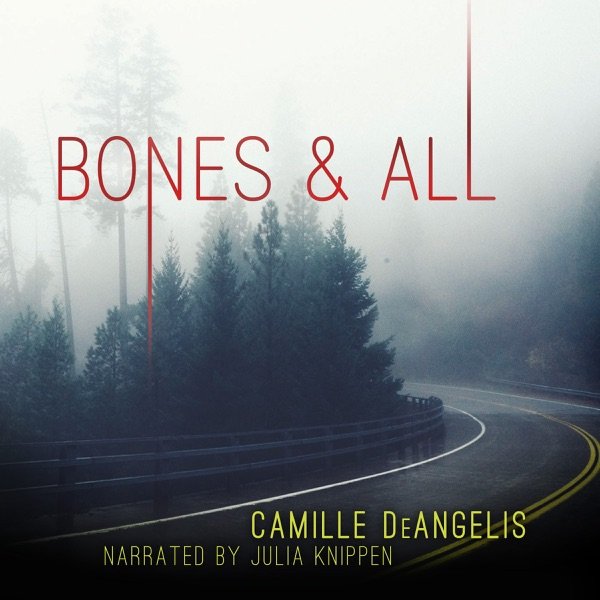
by Camille DeAngelis
A step up — ages 14–18 · grades 9–12
Skip it if your teen is disturbed by cannibalism (even as metaphor/practice) or if they're not yet ready for literary darkness without clear moral resolution.
