For a reader who just finished
Books like How to Write Really Badly
after How to Write Really Badly by Anne Fine · ages 8–12
Same style
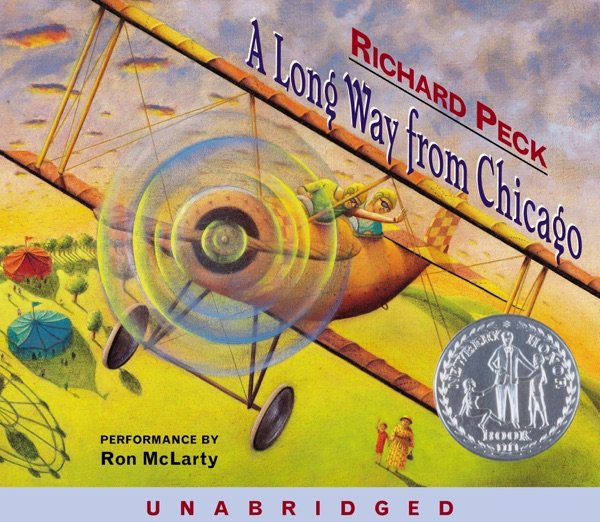
by Richard Peck
Middle grade · ages 10–14 · grades 5–9 · 730L
A beautifully constructed episodic novel that uses humor and warmth to teach Depression-era history and the particular resourcefulness of rural American women—the kind of book that makes kids actually want to know more about their grandparents' lives.
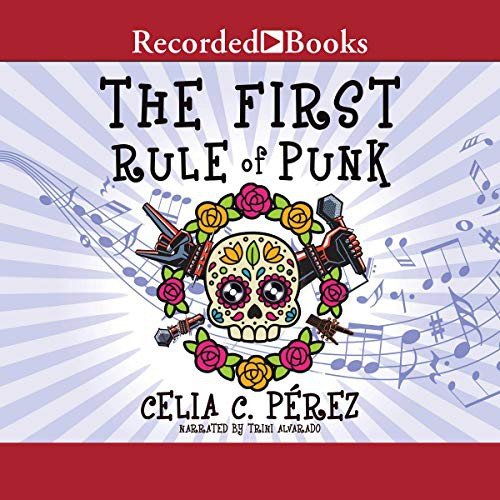
by Celia C. Perez
Middle grade · ages 8–12 · grades 3–7 · 720L
The rare middle-grade novel that treats cultural identity and artistic self-expression as equally serious — Malu's punk band and her Mexican-American family feel like the full complexity of growing up, not competing agendas.
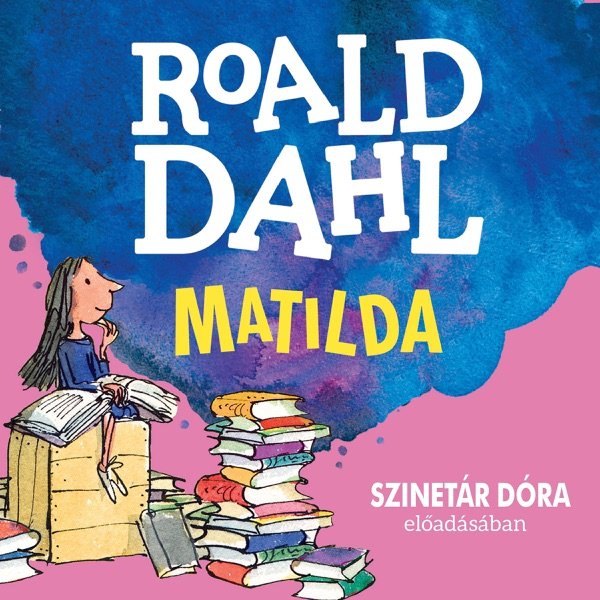
by Roald Dahl
Middle grade · ages 8–12 · grades 3–7 · 820L
The gold standard for gifted kids and any child who feels underestimated; Dahl's dark humor makes abuse survivable rather than sanitizing it, and Matilda's quiet competence is more powerful than any superhero arc.
Stretch them up
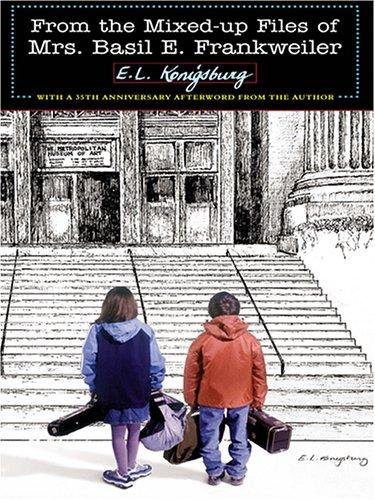
by E. L. Konigsburg
Middle grade · ages 8–12 · grades 3–7 · 790L
A book that trusts kids to be intellectually bored and emotionally complex—Claudia's runaway isn't melodrama, it's a quiet reckoning with identity that lands harder on rereads.
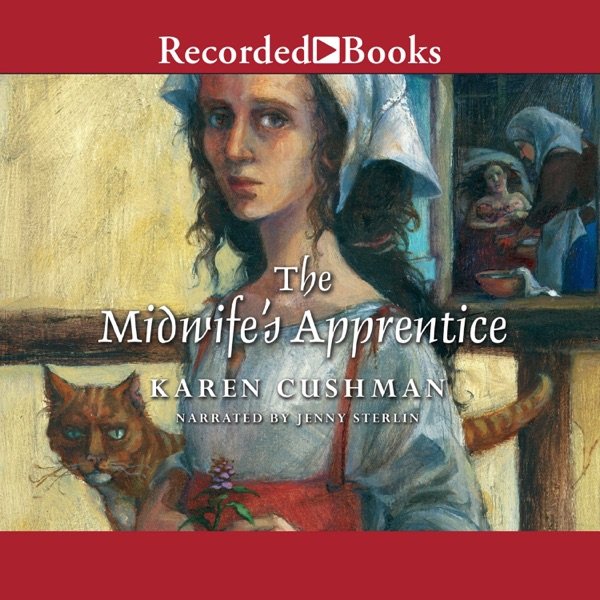
by Karen Cushman
Middle grade · ages 10–14 · grades 5–9 · 780L
A Newbery winner that earns it: a girl with no name becomes herself through honest work and adult recognition; the medieval setting and childbirth apprenticeship feel urgent and real, not decorative.
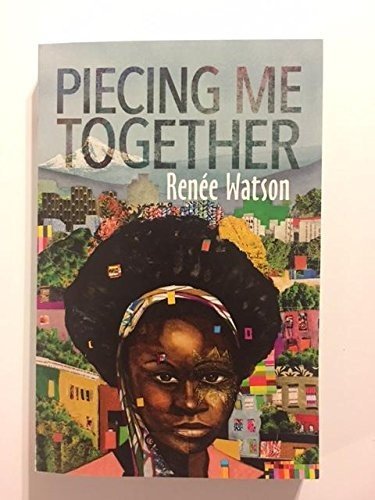
by Renée Watson
Middle grade · ages 10–14 · grades 5–9 · 780L
Quiet, unflinching portrait of a girl learning to trust her own vision—both literal (through collage) and metaphorical—when adults and peers constantly frame her through their own biases; the collage illustrations are structural, not decorative.
Complementing on a good life
by E. L. Konigsburg
Middle grade · ages 8–12 · grades 3–7 · 790L
A book that trusts kids to be intellectually bored and emotionally complex—Claudia's runaway isn't melodrama, it's a quiet reckoning with identity that lands harder on rereads.
by Karen Cushman
Middle grade · ages 10–14 · grades 5–9 · 780L
A Newbery winner that earns it: a girl with no name becomes herself through honest work and adult recognition; the medieval setting and childbirth apprenticeship feel urgent and real, not decorative.
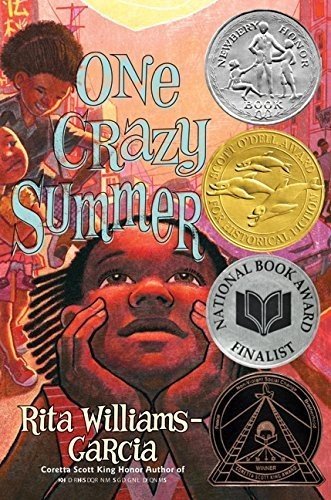
by Rita Williams-Garcia
Middle grade · ages 8–12 · grades 3–7 · 750L
A richly layered book about sisterhood, identity, and reckoning with parental complexity that treats kids' emotional intelligence seriously—the ending doesn't tidy up, which is exactly why it stays with them.
We'd skip — for now
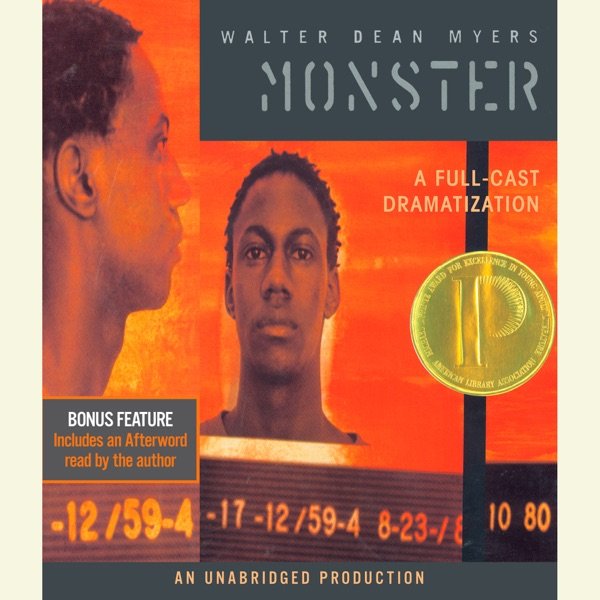
by Walter Dean Myers
A step up — ages 12–18 · grades 7–12
Skip it if your teen is not ready to sit with moral ambiguity about guilt, or if depictions of jail and systemic racism will be overwhelming without a trusted adult to debrief with.
