For a reader who just finished
Books like How to Code a Sandcastle
after How to Code a Sandcastle by Josh Funk · ages 4–8
Same style
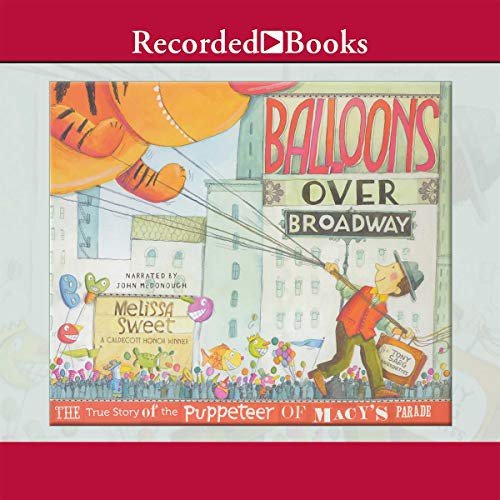
by Melissa Sweet
Picture book · ages 5–9 · grades K–4 · 620L
A picture book that genuinely teaches how invention works—Melissa Sweet's collage art mirrors Sarg's experimental process, and kids leave understanding that parades didn't always have giant balloons because someone decided to invent them.
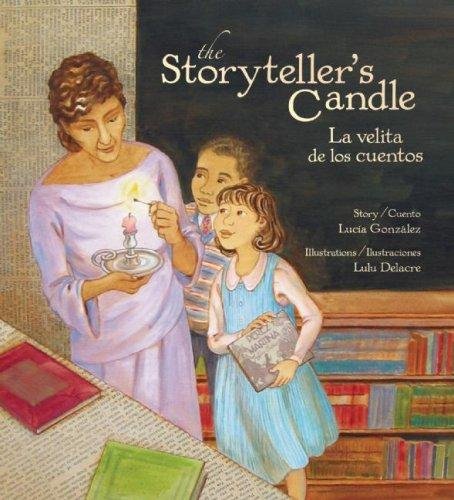
by Lulu Delacre
Picture book · ages 5–9 · grades K–4 · 580L
A genuinely moving immigration story that centers Puerto Rican culture without preaching—kids recognize themselves in Lilia's loneliness and are moved by the friendship that saves her.
by Melissa Sweet
Picture book · ages 5–9 · grades K–4 · 620L
Melissa Sweet's love letter to words and precision—luminous illustrations and a real biography that makes linguistic obsession feel like the greatest adventure, perfect for kids who already love language or need to discover they do.
Stretch them up
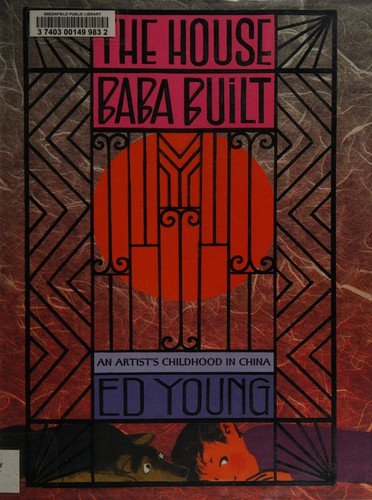
by Ed Young
Picture book · ages 4–8 · grades K–3 · 620L
A lyrical, elegantly illustrated memoir for young readers that treats childhood displacement and cultural identity with literary depth without condescension—the collage-style art is as much the story as the words.
by Trombone Shorty
Picture book · ages 4–8 · grades K–3 · 620L
A vibrant, authentic introduction to New Orleans jazz culture and a kid who chose music; Collier's collage art pulses with joy and the first-person voice feels genuinely lived-in.
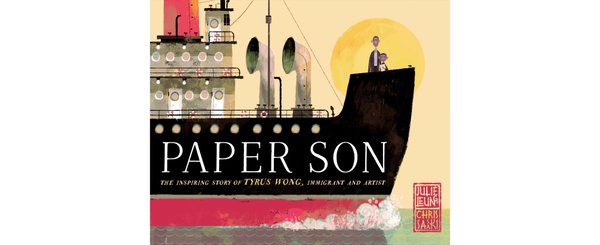
by Julie Leung
Picture book · ages 6–10 · grades 1–5 · 620L
A vivid picture-book biography that centers an overlooked artist's refusal to abandon his culture; the illustrations honor Tyrus's own artistic eye and give younger kids a concrete, stirring entry to immigration stories.
Complementing on algorithmic thinking
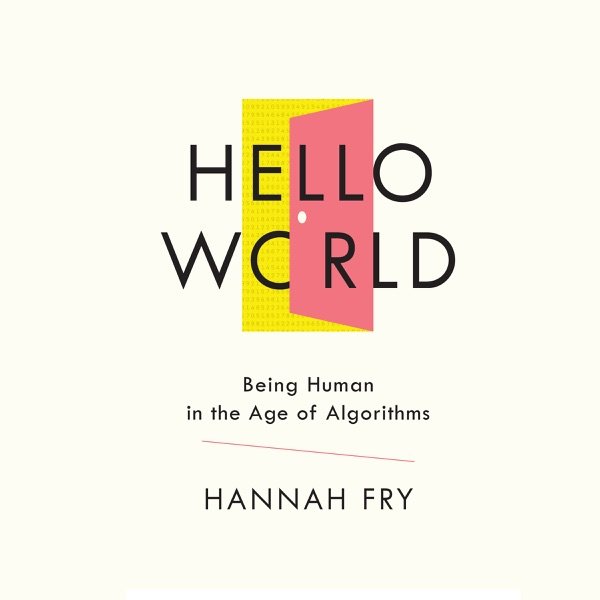
by Hannah Fry
Nonfiction · 1050L
Accessible and genuinely important — Fry makes algorithmic bias and ethics concrete enough for a sharp middle-grader without talking down, though it reads as upper-middle-grade to early YA.
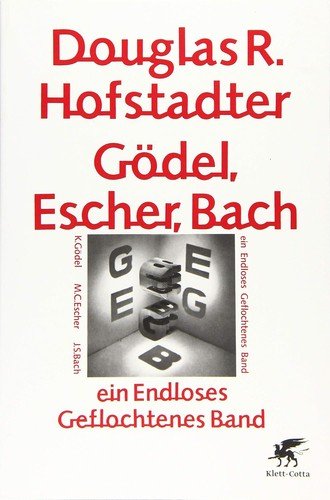
by Douglas Hofstadter
Nonfiction
Brilliant and strange, but it's a book for philosophically curious teenagers who want to think about minds, music, and meaning — not a 5–9 year-old touchstone; flag it now for the 14+ reader who will revisit it.
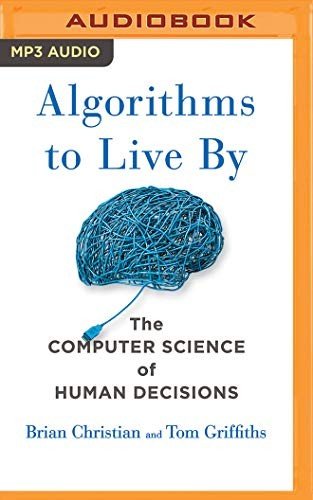
by Brian Christian & Tom Griffiths
Nonfiction · 1050L
Dense, clever, and genuinely thought-shifting for a mathematically confident early teen, but requires sustained attention and comfort with abstraction—not a fun read, a workout.
We'd skip — for now
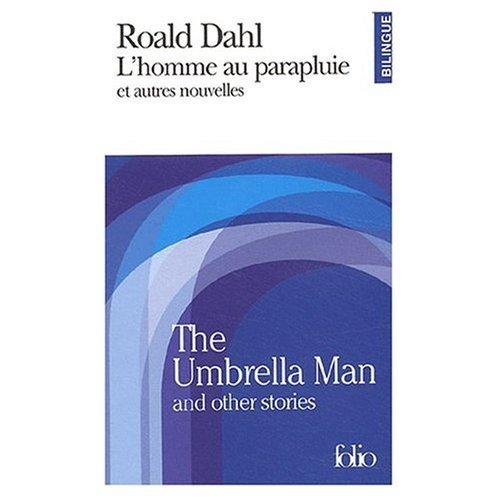
by Roald Dahl
A step up — ages 8–12 · grades 3–7
Skip it if your child needs a warm, affirming read; the ending is deliberately cynical and may feel unsettling to younger or sensitive readers.
