
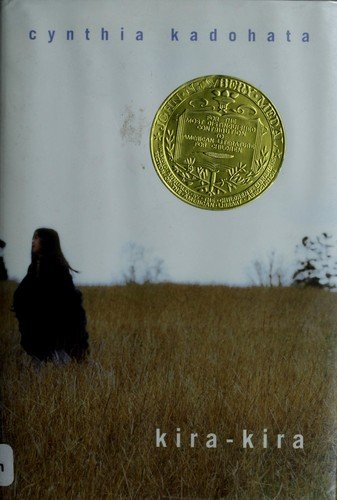
Kira-Kira
by Cynthia Kadohata
Middle grade · ages 9–12 · grades 4–7 · 760L
A Newbery Medal winner that earns it—luminous, unsentimental, and genuinely about how love and small moments sustain a family facing real hardship and loss.
For a reader who just finished
after Homesick: My Own Story by rowspan="5" |Fiction, hardcover · ages 10–14
Same style
by Cynthia Kadohata
Middle grade · ages 9–12 · grades 4–7 · 760L
A Newbery Medal winner that earns it—luminous, unsentimental, and genuinely about how love and small moments sustain a family facing real hardship and loss.
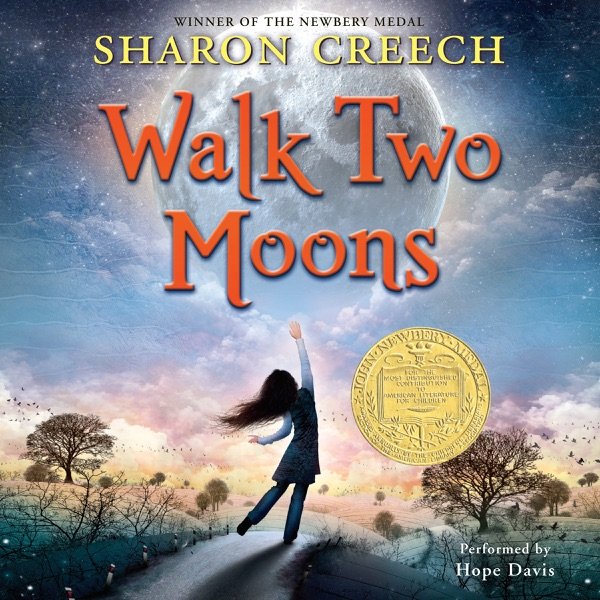
by Sharon Creech
Middle grade · ages 10–14 · grades 5–9 · 730L
A quiet masterpiece about grief and belonging—lyrical without being precious, and the nested story structure rewards active reading in ways that change how kids think about empathy.
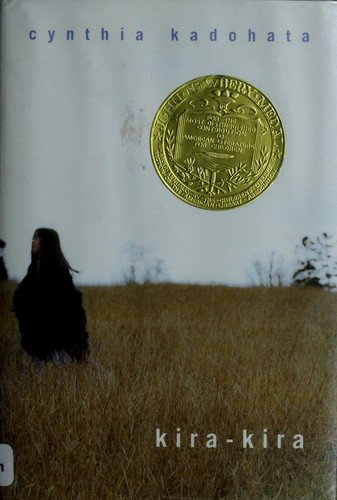
by Cynthia Kadohata
Middle grade · ages 10–14 · grades 5–9 · 730L
A Newbery winner that earns it—poignant without sentimentality, and the only book in this age range that teaches a child what it means to grieve a sibling while honoring their legacy.
Complementing on belonging
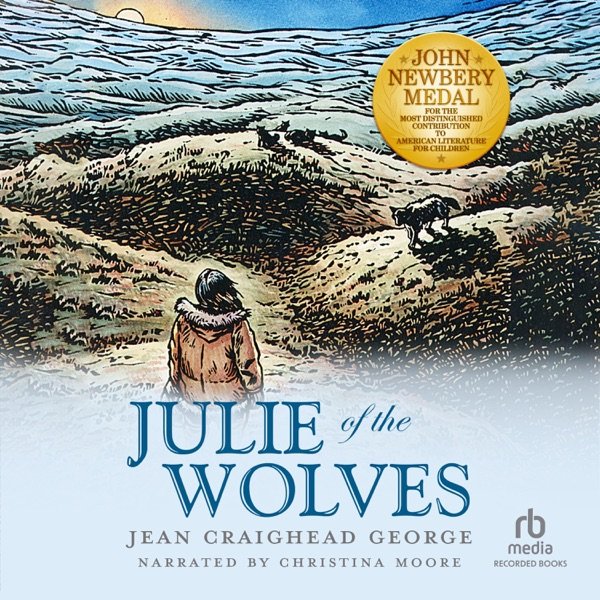
by Jean Craighead George
Middle grade · ages 10–14 · grades 5–9 · 760L
A Newbery-winning masterpiece that hasn't aged a day—Julie's survival story is genuinely gripping, and the quiet exploration of cultural identity and belonging lands without preaching.
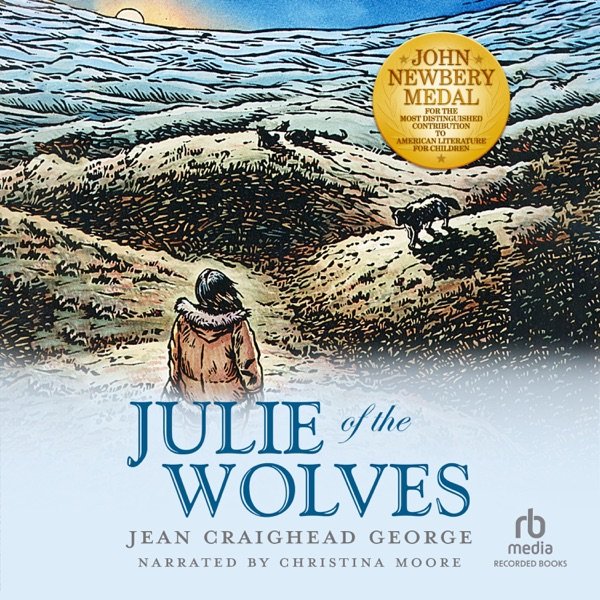
by Jean Craighead George
Middle grade · ages 10–14 · grades 5–9 · 760L
A Newbery-winning masterpiece that hasn't aged a day—Julie's survival story is genuinely gripping, and the quiet exploration of cultural identity and belonging lands without preaching.
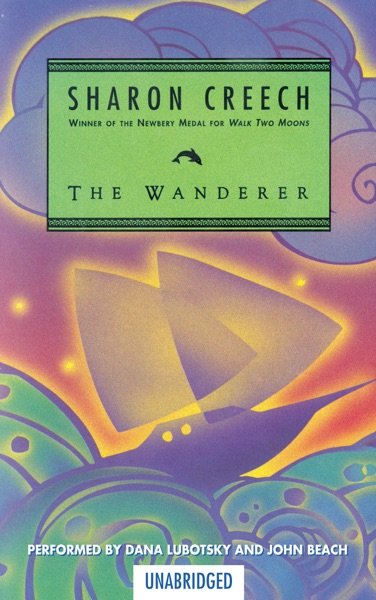
by Sharon Creech
Middle grade · ages 10–14 · grades 5–9 · 730L
A genuinely literary middle-grade novel—the multi-perspective structure mirrors the emotional work of understanding yourself through others' eyes, and kids reread it as they grow.
We'd skip — for now

by Mikki Daughtry
A step up — ages 14–18 · grades 9–12
Skip it if your teen has recently experienced the sudden death of a close peer or romantic partner; the emotional specificity may be too raw.