For a reader who just finished
Books like Hidden Figures: The True Story of Four Black Women and the Space Race
after Hidden Figures: The True Story of Four Black Women and the Space Race by Laura Freeman · ages 8–12
Same style
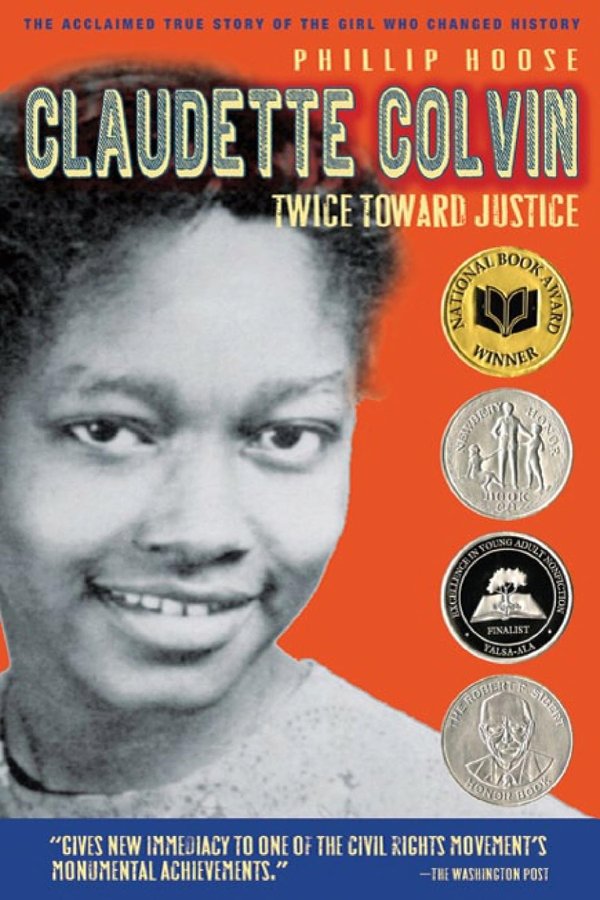
by Phillip Hoose
Nonfiction · ages 10–14 · grades 5–9 · 820L
The book that should be taught instead of (or alongside) Rosa Parks—immediate, deeply researched, and co-authored with Claudette herself, making it both historically authoritative and emotionally resonant for kids discovering real people with real moral agency.
by —
Nonfiction · ages 10–14 · grades 5–9 · 820L
The rare nonfiction that reads like a thriller—minute-by-minute retelling of real stakes, real people solving real problems, and kids finish it actually understanding why Apollo 11 mattered.
by —
Nonfiction · ages 10–14 · grades 5–9 · 820L
The rare nonfiction that reads like a thriller—minute-by-minute retelling of real stakes, real people solving real problems, and kids finish it actually understanding why Apollo 11 mattered.
Complementing on truth
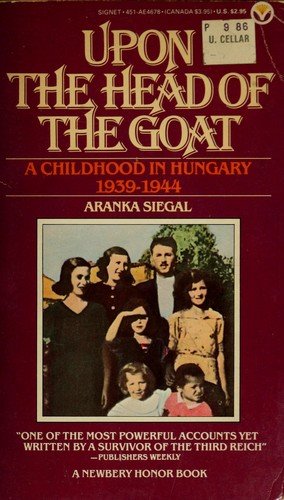
by Aranka Siegal
Nonfiction · ages 10–14 · grades 5–9 · 840L
A masterwork of Holocaust memoir written in a child's voice—unflinching about fear and loss, but grounded in the texture of ordinary summers, school, and family that make the encroaching darkness undeniable.
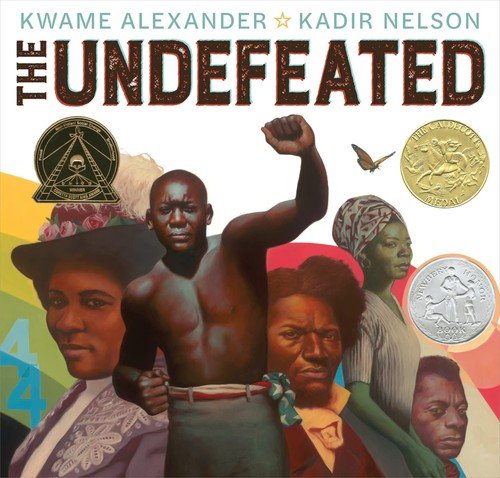
by Kwame Alexander
Verse novel · ages 10–14 · grades 5–9 · 620L
A landmark book that uses verse to make 500 years of Black American history personal and urgent—kids understand their own power within a larger story.
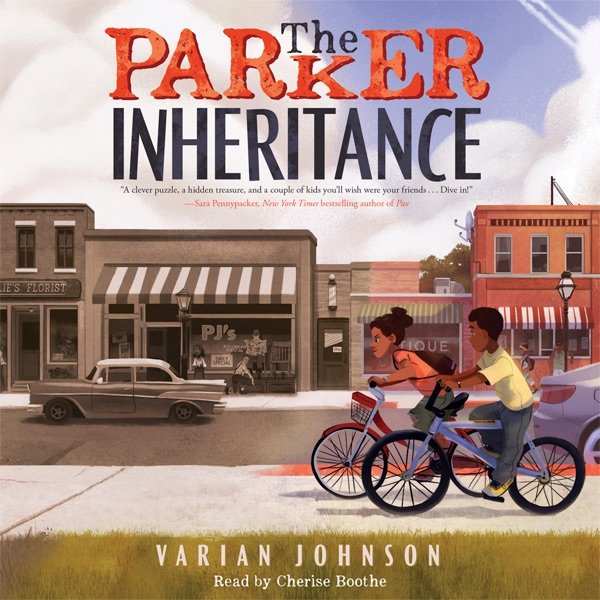
by Varian Johnson
Middle grade · ages 8–12 · grades 3–7 · 730L
A genuinely smart mystery that teaches the hard history of Jim Crow without moralizing — kids solve the puzzle alongside the protagonist while learning what systemic racism looked like up close.
We'd skip — for now
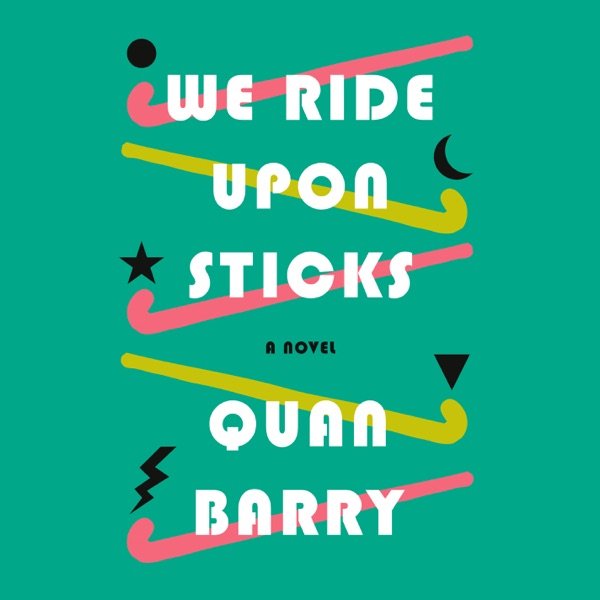
by Quan Barry
A step up — ages 14–18 · grades 9–12
Skip it if your teen is unsettled by queer content or has limited tolerance for literary structure and nonlinear narrative (shifts between verse, dialogue, and prose).
