For a reader who just finished
Books like Gulliver's Travels
after Gulliver's Travels by Jonathan Swift · ages 8–12
Same style
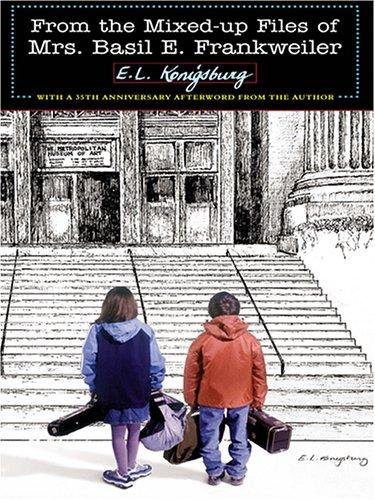
by E. L. Konigsburg
Middle grade · ages 8–12 · grades 3–7 · 790L
A book that trusts kids to be intellectually bored and emotionally complex—Claudia's runaway isn't melodrama, it's a quiet reckoning with identity that lands harder on rereads.
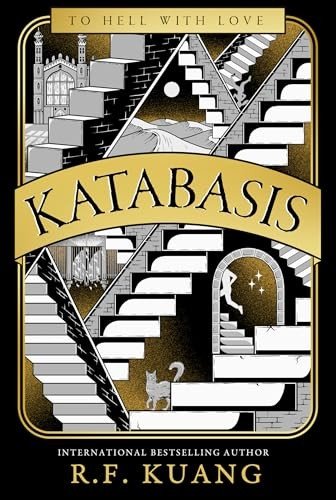
by R.F. Kuang
Middle grade · ages 9–12 · grades 4–7 · 780L
R.F. Kuang's first MG novel nails the Orpheus descent myth with a deaf protagonist whose disability is neither tragic backstory nor solved by magic—she wins because she thinks differently, and the book never patronizes that premise.
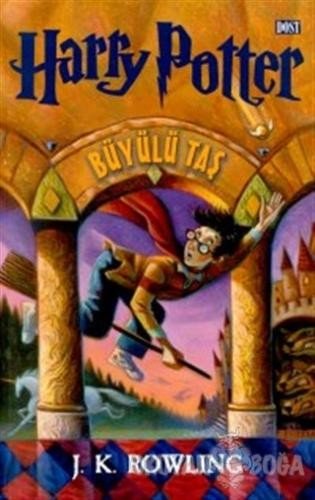
by J. K. Rowling
Middle grade · ages 9–12 · grades 4–7 · 880L
The book that redefined children's fiction — richly imagined world, genuine stakes, prose that respects young readers, and a protagonist's journey from isolation to belonging that doesn't feel saccharine.
Complementing on perspective taking
by E. L. Konigsburg
Middle grade · ages 8–12 · grades 3–7 · 790L
A book that trusts kids to be intellectually bored and emotionally complex—Claudia's runaway isn't melodrama, it's a quiet reckoning with identity that lands harder on rereads.
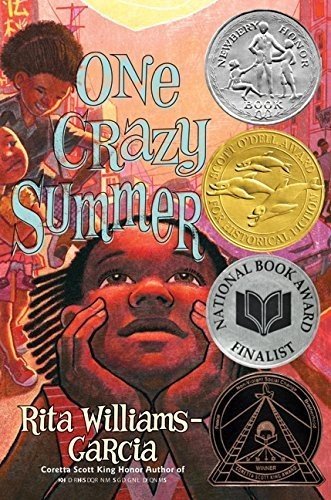
by Rita Williams-Garcia
Middle grade · ages 8–12 · grades 3–7 · 750L
A richly layered book about sisterhood, identity, and reckoning with parental complexity that treats kids' emotional intelligence seriously—the ending doesn't tidy up, which is exactly why it stays with them.
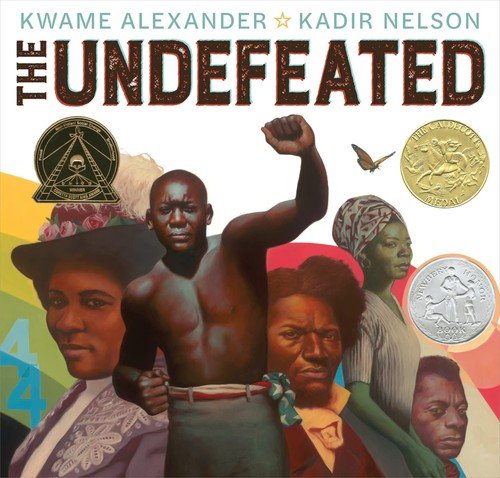
by Kwame Alexander
Verse novel · ages 10–14 · grades 5–9 · 620L
A landmark book that uses verse to make 500 years of Black American history personal and urgent—kids understand their own power within a larger story.
We'd skip — for now
by J. R. R. Tolkien
A step up — ages 12–18 · grades 7–12
Skip it if your child is daunted by 1,000+ pages, archaic language, or slow mid-section pacing (Books II–III drag for some 11-year-olds); wait a year or two.
