For a reader who just finished
Books like GROWING HOME
after GROWING HOME by Beth Ferry · ages 4–8
Same style

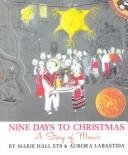
by Marie Hall Ets
Picture book · ages 4–8 · grades K–3 · 550L
A Caldecott winner that earns it — gentle, authentic, and the countdown structure makes waiting feel like an adventure; kids actually ask to reread it before holidays.
by Marie Hall Ets
Picture book · ages 4–8 · grades K–3 · 550L
A Caldecott winner that earns it — gentle, authentic, and the countdown structure makes waiting feel like an adventure; kids actually ask to reread it before holidays.
by Marie Hall Ets
Picture book · ages 4–8 · grades K–3 · 550L
A Caldecott winner that earns it — gentle, authentic, and the countdown structure makes waiting feel like an adventure; kids actually ask to reread it before holidays.
Stretch them up
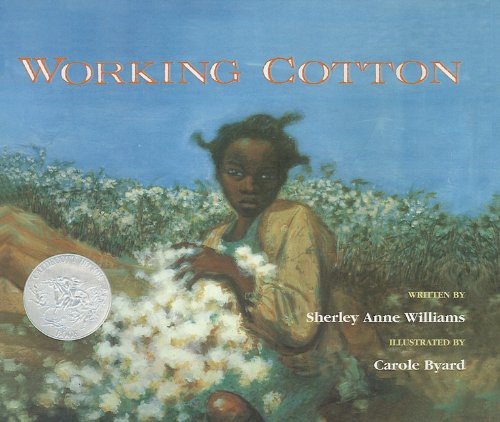
by Carole Byard
Picture book · ages 6–10 · grades 1–5 · 620L
Unflinching, lyrical, and told in the protagonist's own voice — this is the rare picture book that doesn't sentimentalize poverty but doesn't rob children of it either, and Carole Byard's collage art is extraordinary.

by Faith Ringgold
Picture book · ages 4–8 · grades K–3 · 650L
A picture book that works at 6 and deepens at 9—Ringgold's quilted illustrations and Cassie's dreaming of flight and ownership will stick with your kid for years, and the 1930s Harlem setting opens conversations about racism, class, and what freedom means.
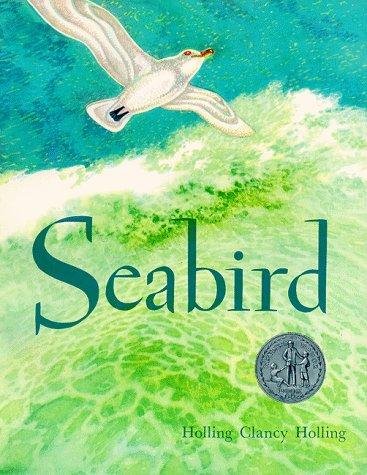
by Holling C. Holling
Picture book · ages 6–10 · grades 1–5 · 620L
A masterpiece of patient observation disguised as a picture book—the illustrations reward close, repeated looking and the text respects a child's intelligence without talking down.
We'd skip — for now
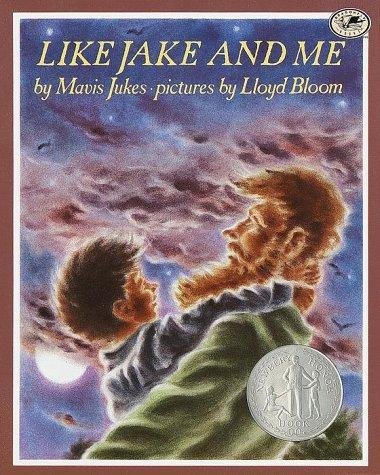
by Mavis Jukes
A step up — ages 8–12 · grades 3–7
Skip it if your child has had a recent parental death or active custody conflict; the stepfamily premise may reopen fresh wounds rather than resolve them.
