For a reader who just finished
Books like Gifts
after Gifts by Ursula K. Le Guin · ages 12–16
Same style

by Kekla Magoon
Young adult · ages 12–18 · grades 7–12 · 820L
A devastating and honest portrait of the 1968 Chicago uprising that refuses easy answers — Sam's split loyalty between his nonviolent father and activist brother becomes the reader's moral reckoning too.
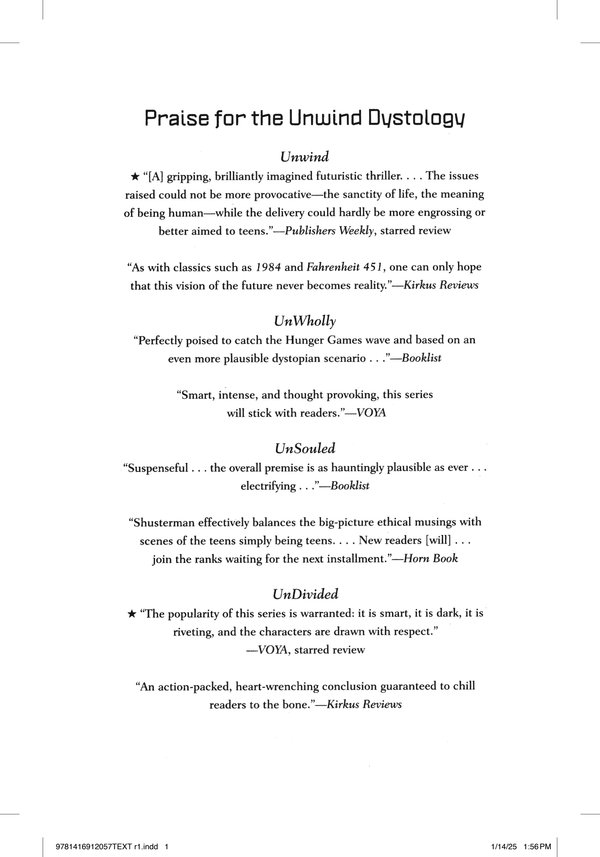
by Neal Shusterman
Young adult · ages 14–18 · grades 9–12 · 790L
A genuinely unsettling premise executed with philosophical rigor—the kind of dystopian that makes teens think about consent, bodily autonomy, and what society owes its young in ways they'll carry forward.
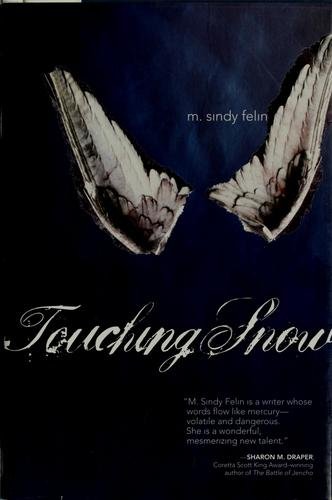
by M. Sindy Felin
Young adult · ages 14–18 · grades 9–12 · 820L
A devastating, beautifully written novel about Haitian American identity and domestic violence—the poetic fragmentation of the narrative mirrors trauma, and Jeanne's voice will stay with readers long after the final page.
Stretch them up
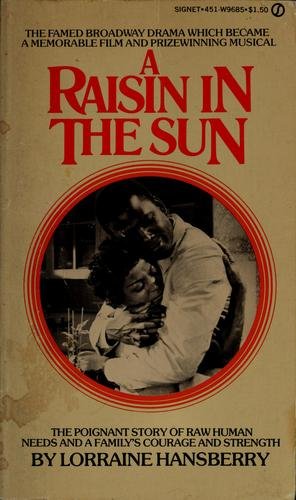
by Lorraine Hansberry
Young adult · ages 14–18 · grades 9–12 · 1020L
The canonical American play about Black family life and the cost of systemic racism—essential reading for teens old enough to hold its complexity and grief, and likely to reshape how they think about class, aspiration, and dignity.

by Chinua Achebe
Young adult · ages 14–18 · grades 9–12 · 1020L
Essential reading that flips the colonial narrative—Achebe's prose is spare and powerful, and the cultural detail grounded enough that teen readers grasp both Igbo society and the tragedy of its encounter with empire.
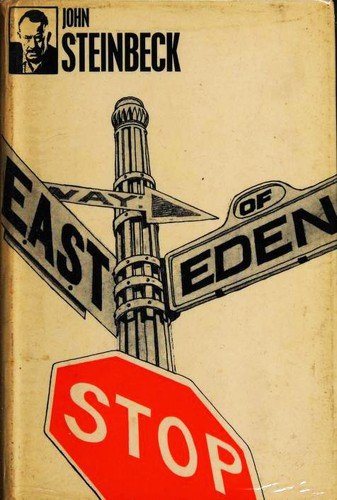
by John Steinbeck
Young adult · 1050L
The most philosophically rigorous American family saga; demands intellectual maturity but rewards it with a genuinely moral argument about choice and human nature that lands harder at 15–16 than at 12.
Complementing on a good life
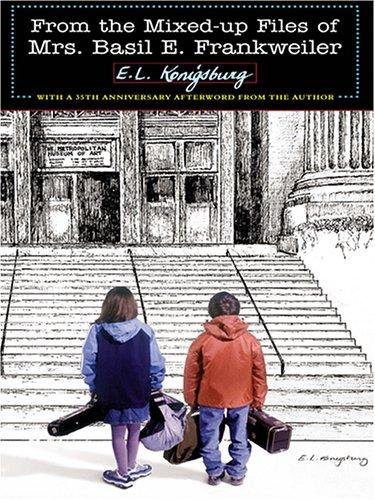
by E. L. Konigsburg
Middle grade · ages 8–12 · grades 3–7 · 790L
A book that trusts kids to be intellectually bored and emotionally complex—Claudia's runaway isn't melodrama, it's a quiet reckoning with identity that lands harder on rereads.
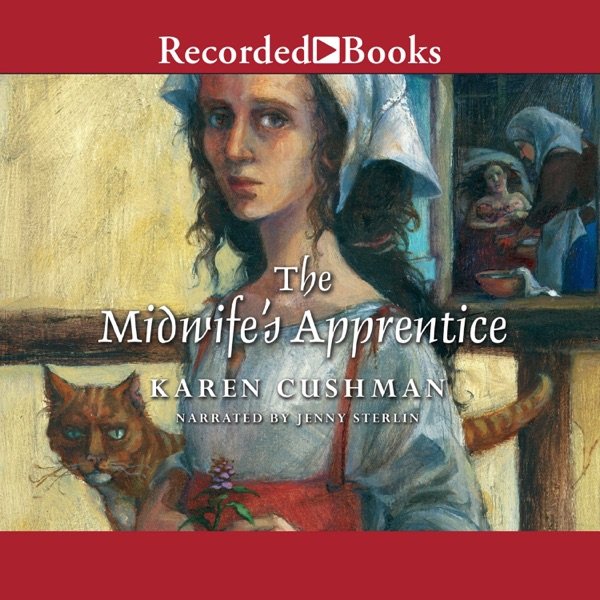
by Karen Cushman
Middle grade · ages 10–14 · grades 5–9 · 780L
A Newbery winner that earns it: a girl with no name becomes herself through honest work and adult recognition; the medieval setting and childbirth apprenticeship feel urgent and real, not decorative.
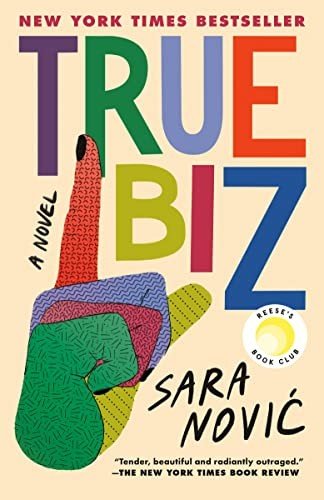
by Sara Nović
Middle grade · ages 10–14 · grades 5–9 · 820L
A genuinely original YA-crossover novel that treats Deaf culture as protagonist, not obstacle—kids learn to think in sign while wrestling with identity questions that feel urgent, not didactic.
We'd skip — for now
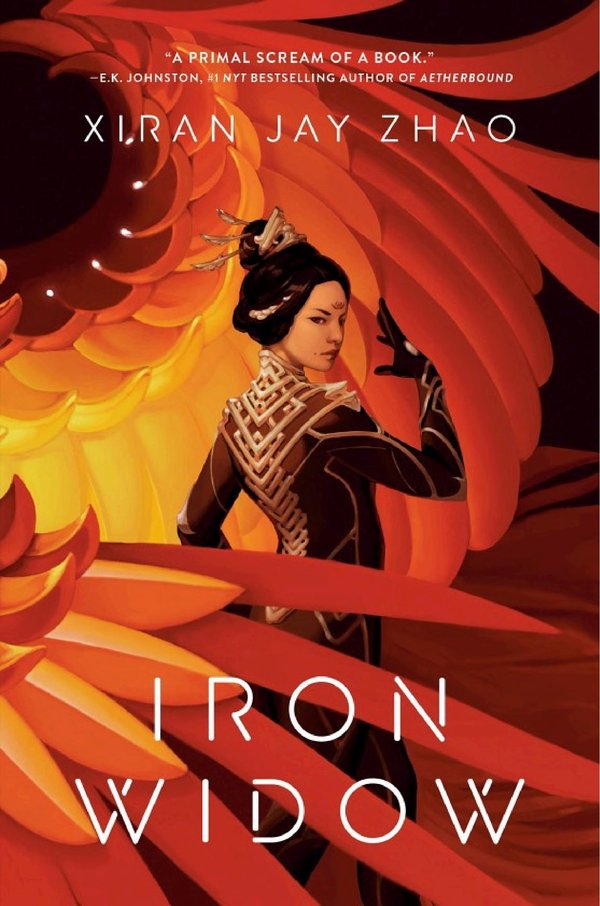
by Xiran Jay Zhao
A step up — ages 16–18 · grades 11–12
Skip it if your teen has trauma history around sexual coercion or violence; the worldbuilding involves systematic sexual weaponization and there are on-page scenes of assault (though not graphically depicted).
