For a reader who just finished
Books like George's Marvelous Medicine
after George's Marvelous Medicine by Roald Dahl · ages 8–12
Same style

by Cressida Cowell
Chapter book · ages 8–12 · grades 3–7 · 620L
Wickedly smart adventure that teaches problem-solving and empathy without preaching; the dragon-language concept is genuinely clever, and Hiccup's underdog brain beats Viking brawn every time.
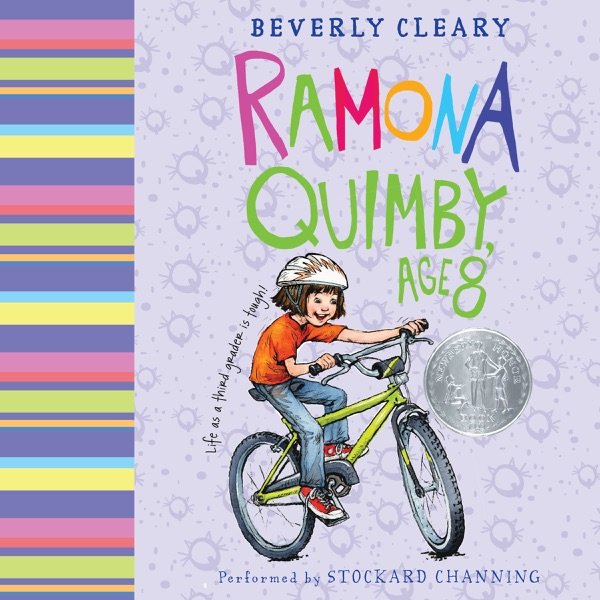
by Beverly Cleary
Chapter book · ages 8–12 · grades 3–7 · 620L
The book that makes kids understand themselves—Ramona's fury at being misunderstood by teachers and parents will hit hard for sensitive 7–9-year-olds, and her slow realization that adults are confused too is genuinely moving.
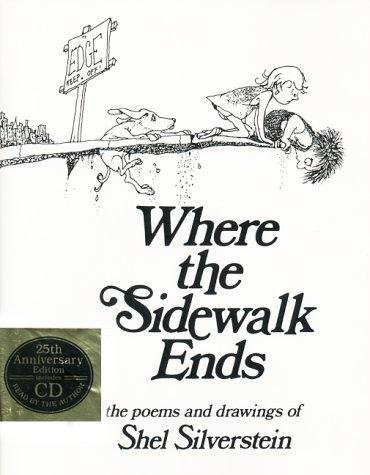
by Shel Silverstein
Verse novel · ages 4–12 · grades K–7 · 600L
The definitive poem collection for kids who are ready to fall in love with language—Silverstein's voice is deadpan, the rhythm is infectious, and every poem invites a kid to see the world tilted sideways.
Stretch them up
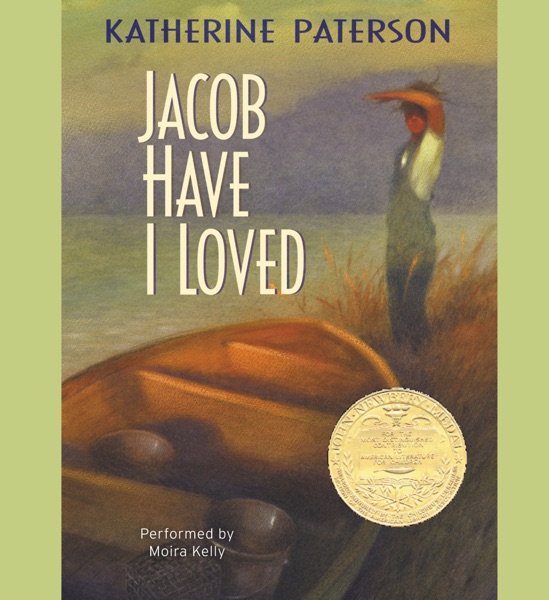
by Katherine Paterson
Middle grade · ages 10–14 · grades 5–9 · 820L
A Newbery winner that actually deserves it—Paterson writes sibling resentment and reconciliation with such honesty that kids recognize their own families, and the 1941 Chesapeake setting carries real historical weight without preaching.
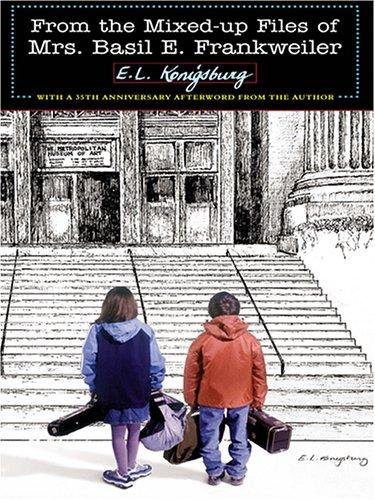
by E. L. Konigsburg
Middle grade · ages 8–12 · grades 3–7 · 790L
A book that trusts kids to be intellectually bored and emotionally complex—Claudia's runaway isn't melodrama, it's a quiet reckoning with identity that lands harder on rereads.
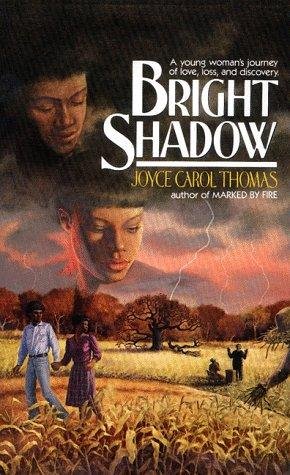
by Joyce Carol Thomas
Middle grade · ages 8–12 · grades 3–7 · 780L
A luminous, unflinching story about difference and belonging—Thomas's lyrical prose and Auri's quiet dignity make this a memorable introduction to how communities can choose love, and how a girl learns her own worth.
Complementing on cause effect
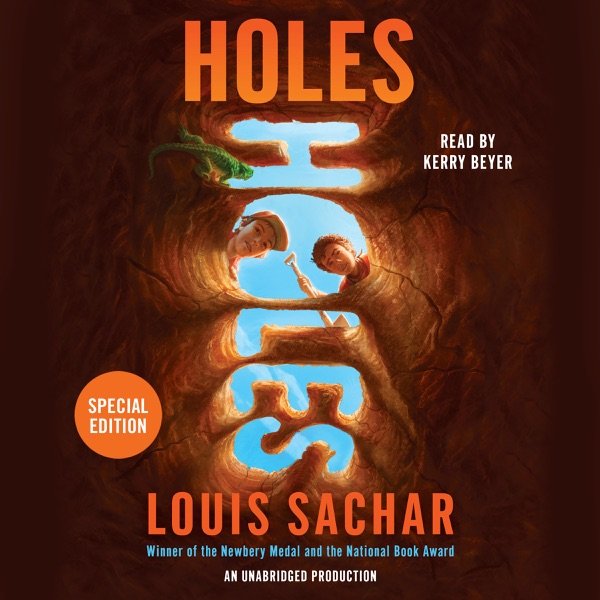
by Louis Sachar
Middle grade · ages 10–14 · grades 5–9 · 740L
A masterwork of interlocking narratives that rewards rereading — kids solve the mystery alongside Stanley, and the structure itself teaches cause-and-effect thinking.
by America's Test Kitchen Kids
Nonfiction · ages 8–12 · grades 3–7 · 700L
The rare cookbook that treats kids as serious problem-solvers; recipes include failure points and reasoning, turning baking into applied science rather than mere instruction-following.
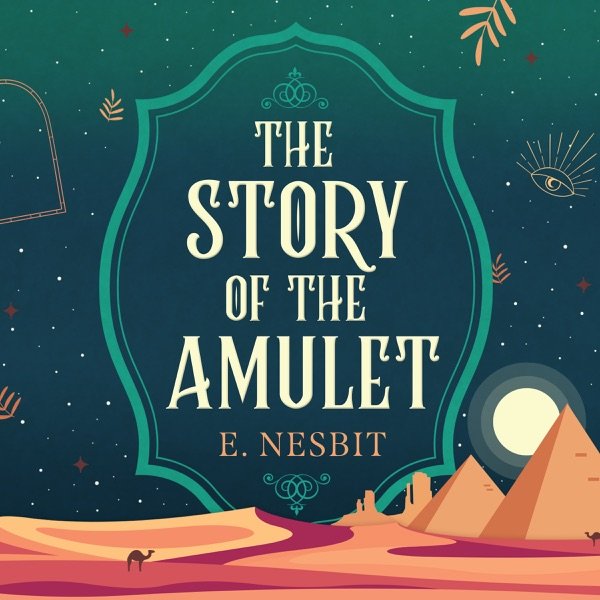
by Edith Nesbit
Middle grade · ages 8–12 · grades 3–7 · 820L
A Victorian adventure that teaches cause-and-effect through time travel and history without feeling like a lesson — Nesbit's dialogue sparkles and the historical episodes are genuinely odd and absorbing.
We'd skip — for now
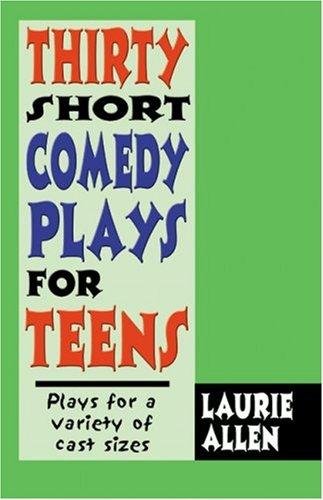
by Laurie Allen
A step up — ages 13–18 · grades 8–12
Skip it if your teen has no interest in performance or drama club; this is a tool, not a read-for-pleasure book.
