For a reader who just finished
Books like Gadget Girl: The Art of Being Invisible
after Gadget Girl: The Art of Being Invisible by Suzanne Kamata · ages 8–12
Same style

by Celia C. Perez
Middle grade · ages 8–12 · grades 3–7 · 720L
The rare middle-grade novel that treats cultural identity and artistic self-expression as equally serious — Malu's punk band and her Mexican-American family feel like the full complexity of growing up, not competing agendas.
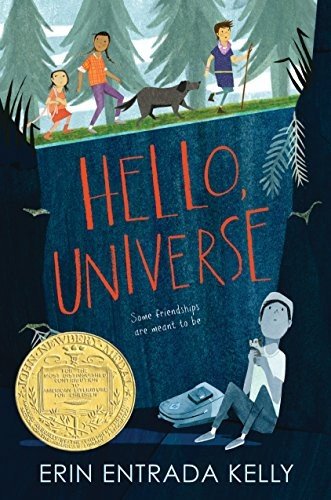
by Erin Entrada Kelly
Middle grade · ages 8–12 · grades 3–7 · 720L
A masterclass in the multivoice middle-grade novel—each kid's interior world is specific and dignified, the plot serves character development rather than action, and the resolution trusts readers to feel the weight of apology.
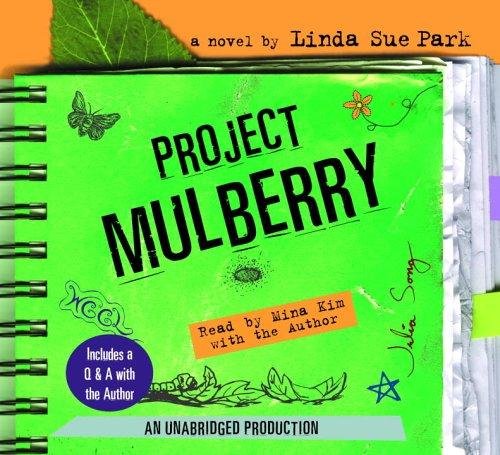
by Linda Sue Park
Middle grade · ages 8–12 · grades 3–7 · 720L
A genuinely honest book about the brittleness of childhood friendship and the quiet work of rebuilding it across cultural distance — Park's dual narrative (Julia and Judy talking back to the author) gives kids language for conflict and repair they rarely hear.
Stretch them up
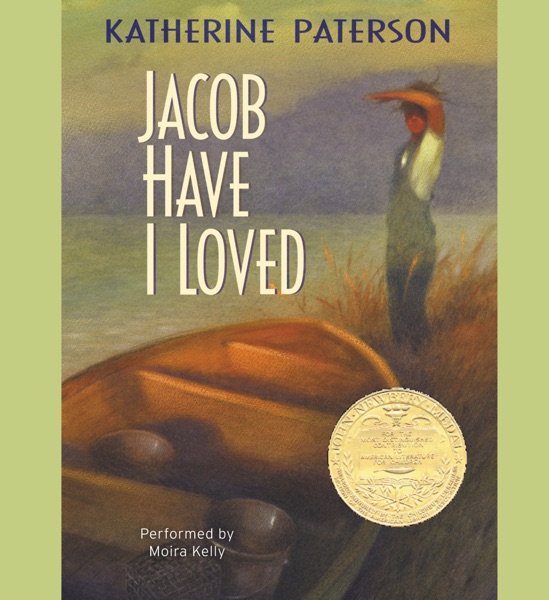
by Katherine Paterson
Middle grade · ages 10–14 · grades 5–9 · 820L
A Newbery winner that actually deserves it—Paterson writes sibling resentment and reconciliation with such honesty that kids recognize their own families, and the 1941 Chesapeake setting carries real historical weight without preaching.
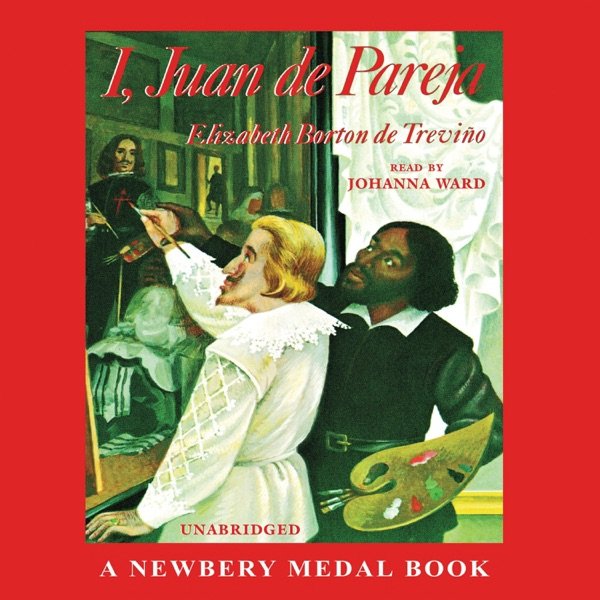
by Elizabeth Borton de Treviño
Middle grade · ages 10–14 · grades 5–9 · 820L
A Newbery winner that doesn't condescend—serious, historically grounded, and genuinely about how one person's refusal to accept powerlessness can remake a life; the prose is elegant and the emotional core is real.
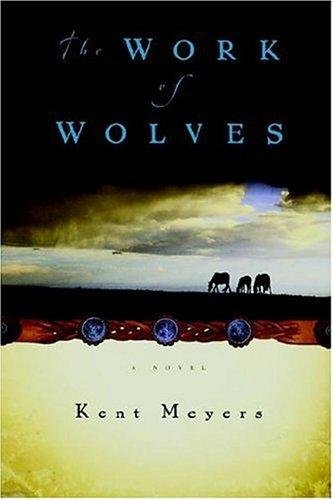
by Kent Meyers
Middle grade · ages 10–14 · grades 5–9 · 780L
Quiet, grounded coming-of-age where a Nebraska kid learns to trust observation over inherited fear—Meyers' prose is deliberate and the wolf ecology is genuinely taught, not romanticized.
Complementing on navigating difference
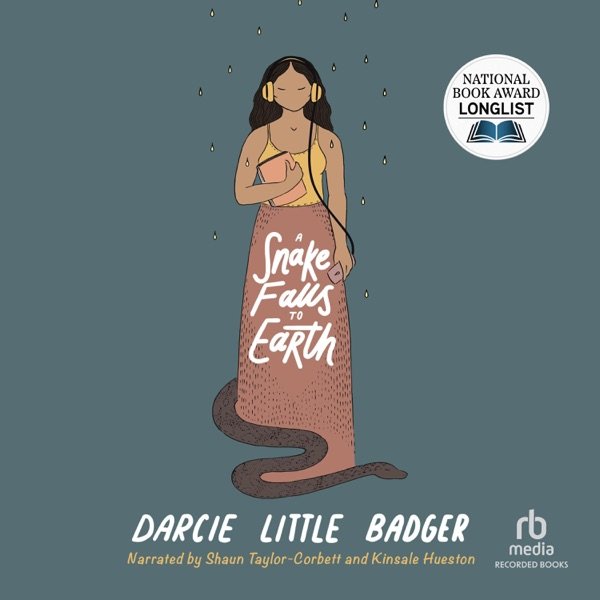
by Darcie Little Badger
Middle grade · ages 10–14 · grades 5–9 · 720L
A genuinely original middle-grade fantasy that centers Indigenous worldview and disability without sentimentality—the magic feels earned, the protagonist is unflinching, and the prose is gorgeous without being flowery.
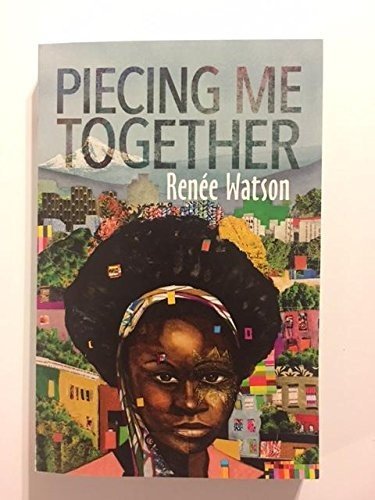
by Renée Watson
Middle grade · ages 10–14 · grades 5–9 · 780L
Quiet, unflinching portrait of a girl learning to trust her own vision—both literal (through collage) and metaphorical—when adults and peers constantly frame her through their own biases; the collage illustrations are structural, not decorative.
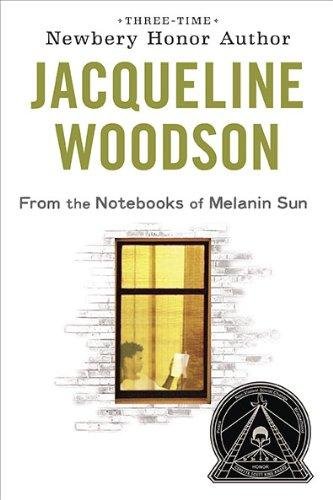
by Jacqueline Woodson
Middle grade · ages 8–12 · grades 3–7 · 710L
A quiet, deeply intelligent book about a 13-year-old boy processing his mother's relationship with a woman—Woodson's prose is spare and poetic, and Melanin's voice is utterly genuine; parents report kids want to talk about it afterward.
We'd skip — for now
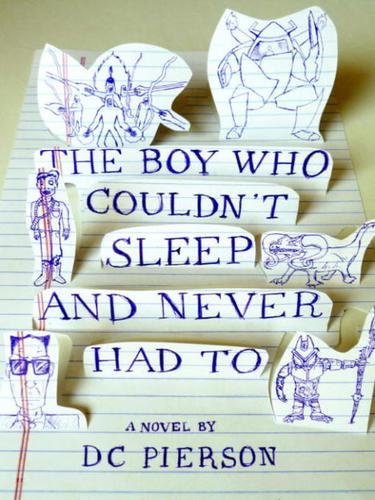
by DC Pierson
A step up — ages 12–15 · grades 7–10
Skip it if your child has unmedicated ADHD and finds books about hyperactive protagonists overstimulating — Darren's racing mind might feel too familiar in a difficult way.
