For a reader who just finished
Books like Forgotten Fire
after Forgotten Fire by Adam Bagdasarian · ages 10–14
Same style
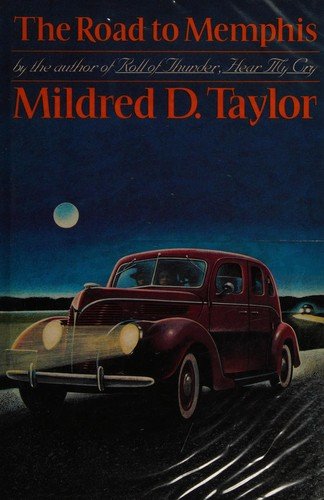
by Mildred D. Taylor
Young adult · ages 12–18 · grades 7–12 · 820L
Taylor's most mature entry in the series — Cassie confronts the impossibility of staying silent, and the prose unflinches at the cost of integrity in a deeply unjust system.

by Kelly Easton
Young adult · ages 10–14 · grades 5–9 · 820L
A quiet, unflinching look at WWII through a Japanese-American teen's eyes—literary and historically grounded, but emotionally heavy; best for readers ready for sustained war themes and moral complexity.
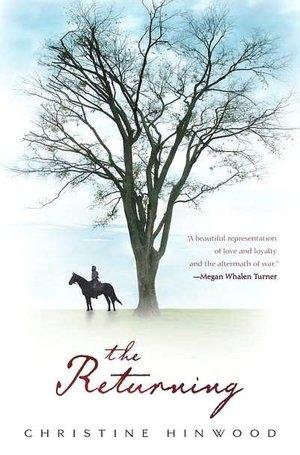
by Christine Hinwood
Young adult · ages 12–16 · grades 7–11 · 820L
A quiet, unflinching examination of displacement and homecoming after war—literary and emotionally complex, but accessible to mature middle-grade readers and essential YA for understanding refugee experience.
Stretch them up
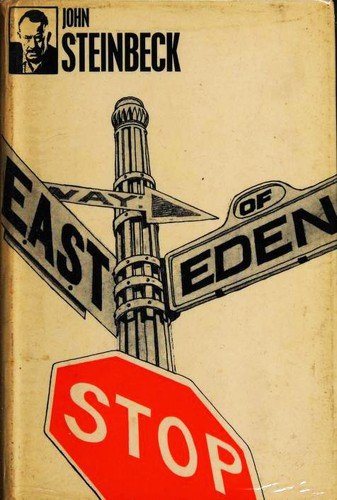
by John Steinbeck
Young adult · 1050L
The most philosophically rigorous American family saga; demands intellectual maturity but rewards it with a genuinely moral argument about choice and human nature that lands harder at 15–16 than at 12.
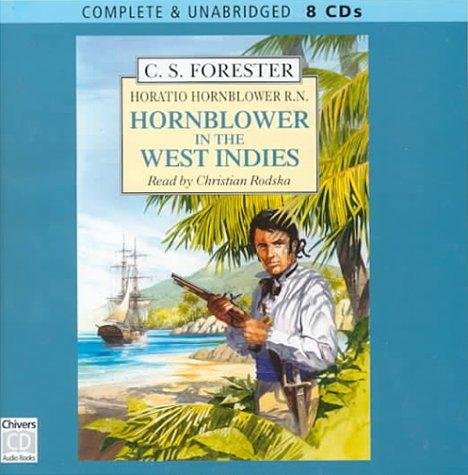
by C. S. Forester
Young adult · 950L
A late-career entry for adult Hornblower fans; rich naval prose and historical detail, but more accessible than early entries and genuinely engaging for strong teenage readers interested in age-appropriate historical fiction.
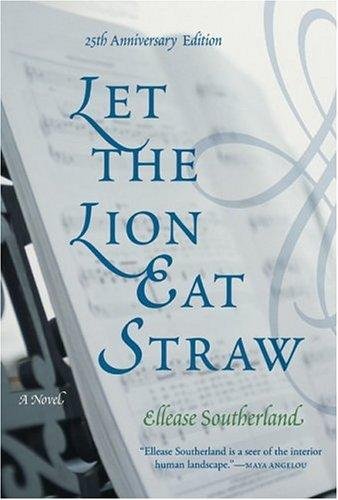
by Ellease Southerland
Young adult · 1010L
A demanding, unflinching portrait of a Black woman navigating mental illness, family obligation, and the Great Migration; literary and historically grounded, but emotionally raw.
Complementing on a good life
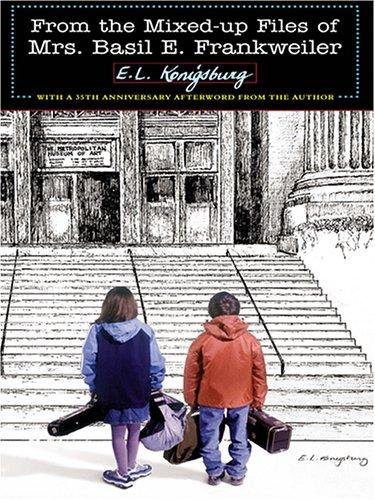
by E. L. Konigsburg
Middle grade · ages 8–12 · grades 3–7 · 790L
A book that trusts kids to be intellectually bored and emotionally complex—Claudia's runaway isn't melodrama, it's a quiet reckoning with identity that lands harder on rereads.
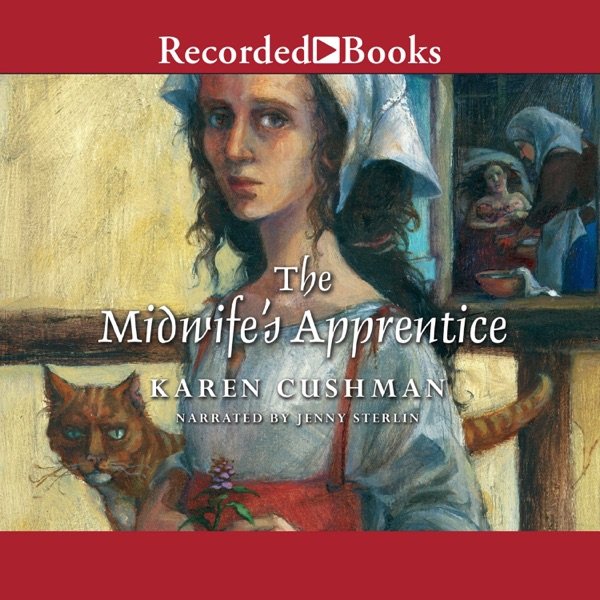
by Karen Cushman
Middle grade · ages 10–14 · grades 5–9 · 780L
A Newbery winner that earns it: a girl with no name becomes herself through honest work and adult recognition; the medieval setting and childbirth apprenticeship feel urgent and real, not decorative.
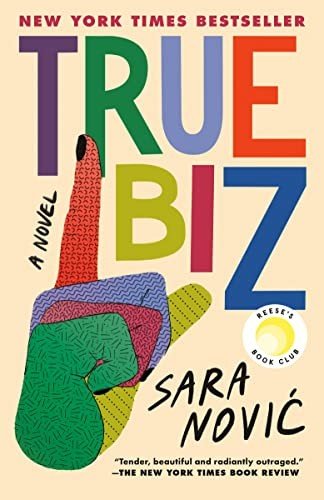
by Sara Nović
Middle grade · ages 10–14 · grades 5–9 · 820L
A genuinely original YA-crossover novel that treats Deaf culture as protagonist, not obstacle—kids learn to think in sign while wrestling with identity questions that feel urgent, not didactic.
We'd skip — for now
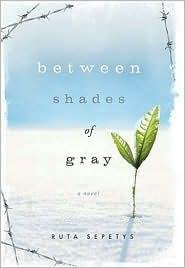
by Ruta Sepetys
A step up — ages 14–18 · grades 9–12
Skip it if your teen has experienced trauma involving detention, starvation, or loss of family—the emotional resonance may retraumatize rather than educate.
