For a reader who just finished
Books like Flora and the Flamingo
after Flora and the Flamingo by Molly Idle · ages 3–7
Same style

by Nancy Willard
Picture book · ages 4–9 · grades K–4 · 620L
A Newbery Medal winner that reads like illustrated poetry — Willard's language is playful and precise, Blake's influence is felt throughout, and children return to it because it feels like a secret.
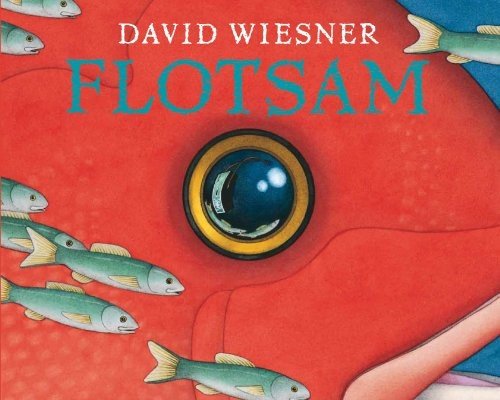
by David Wiesner
Picture book · ages 4–8 · grades K–3
A wordless masterpiece that teaches observation and sparks imagination without a single sentence—kids stare at the panels, construct their own theories, and beg to flip through it again.
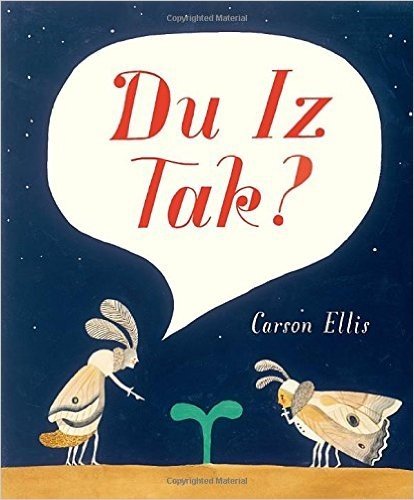
by Carson Ellis
Picture book · ages 3–7 · grades K–2
A nearly wordless masterpiece that trains the eye and invites endless speculation; kids return to it because there's always something new to notice, and parents fall in love with Carson Ellis's pen-and-ink world.
Stretch them up

by Faith Ringgold
Picture book · ages 4–8 · grades K–3 · 650L
A picture book that works at 6 and deepens at 9—Ringgold's quilted illustrations and Cassie's dreaming of flight and ownership will stick with your kid for years, and the 1930s Harlem setting opens conversations about racism, class, and what freedom means.
by Todd Tucker
Picture book · ages 4–8 · grades K–3 · 600L
A quiet masterpiece that teaches observation without a word of didacticism—kids naturally want to lift the flaps and peek, building real naturalist instincts.
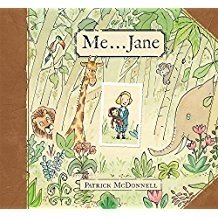
by Patrick McDonnell
Picture book · ages 4–8 · grades K–3 · 620L
McDonnell's watercolor dreaming captures the tender obsession of a girl with animals — this is how most naturalists start, and the book honors that without sentimentality.
Complementing on theory of mind
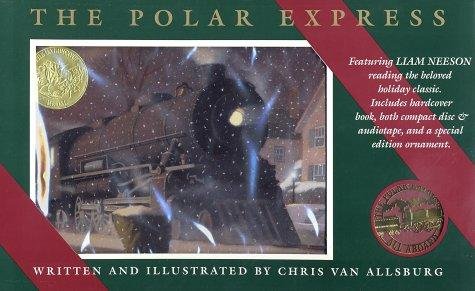
by Chris Van Allsburg
Picture book · ages 4–8 · grades K–3 · 740L
Van Allsburg's most enduring picture book — the prose is literary and the illustrations carry genuine atmosphere; read it aloud to catch the layered melancholy beneath the magic.
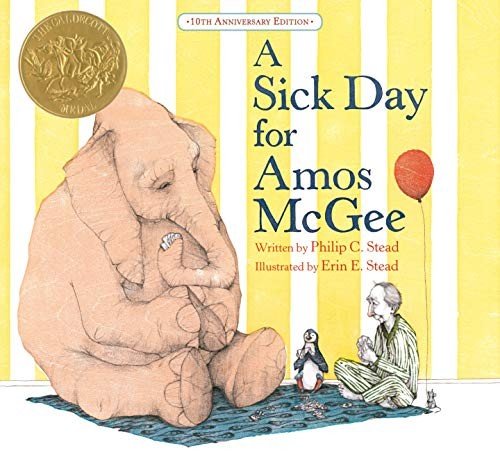
by Erin E. Stead
Picture book · ages 4–8 · grades K–3 · 560L
A perfect distillation of kindness as a two-way street—Amos teaches us daily care, then receives it back without fanfare; Stead's pencil art makes every gesture resonate.
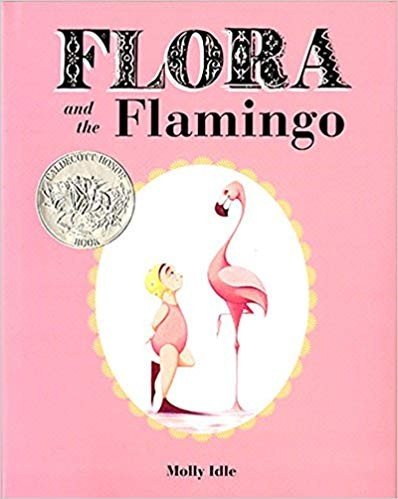
by Molly Idle
Picture book · ages 3–7 · grades K–2
A nearly wordless visual meditation on connection; Idle's die-cuts and interactive page turns make this a preschooler's first lesson in attunement and collaborative play.
We'd skip — for now
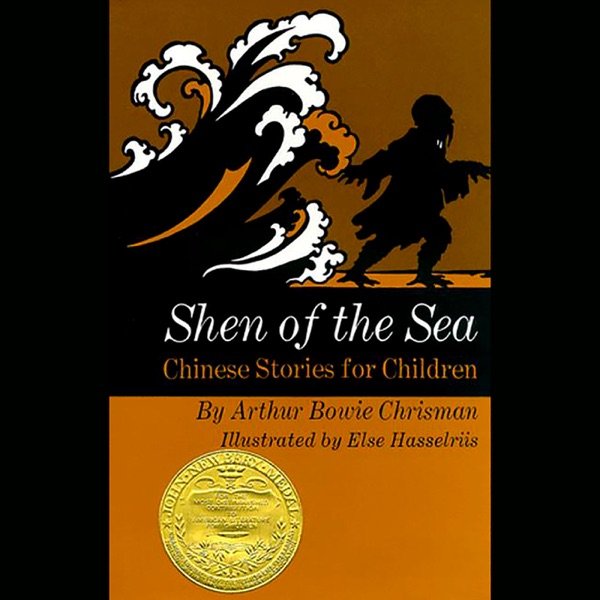
by Arthur Bowie Chrisman
A step up — ages 8–12 · grades 3–7
Skip it if your child prefers plot-driven contemporary stories over folkloric mood pieces—these are lyrical and episodic, not propulsive.
