For a reader who just finished
Books like Fighting Words
after Fighting Words by Kimberly Brubaker Bradley · ages 10–14
Same style
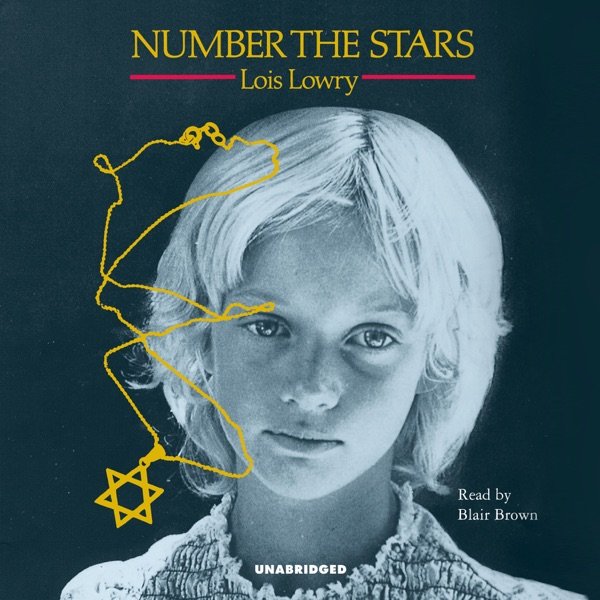
by Lois Lowry
Middle grade · ages 10–14 · grades 5–9 · 740L
A masterwork of historical fiction for middle grade—Lowry trusts kids with real stakes and moral complexity without traumatizing them, and the quiet bravery of an ordinary girl becomes indelible.
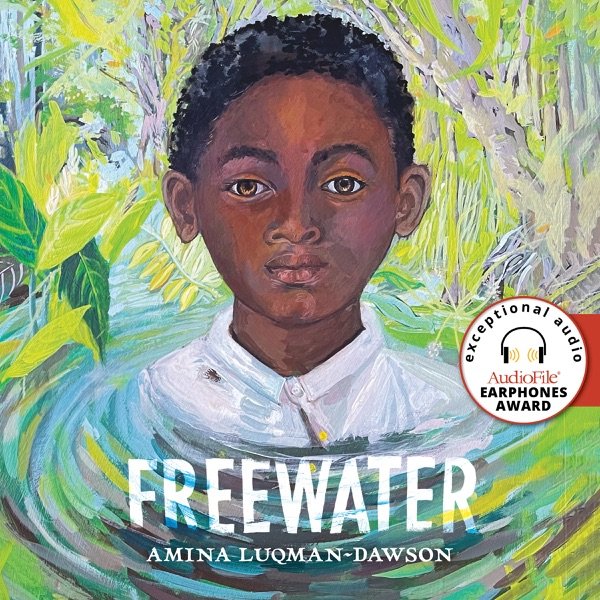
by Amina Luqman-Dawson
Middle grade · ages 10–14 · grades 5–9 · 780L
A rare middle-grade novel that treats slavery and Black resistance with intellectual and emotional honesty—no sanitizing, no triumph-narrative shortcuts, but genuine complexity and beauty.
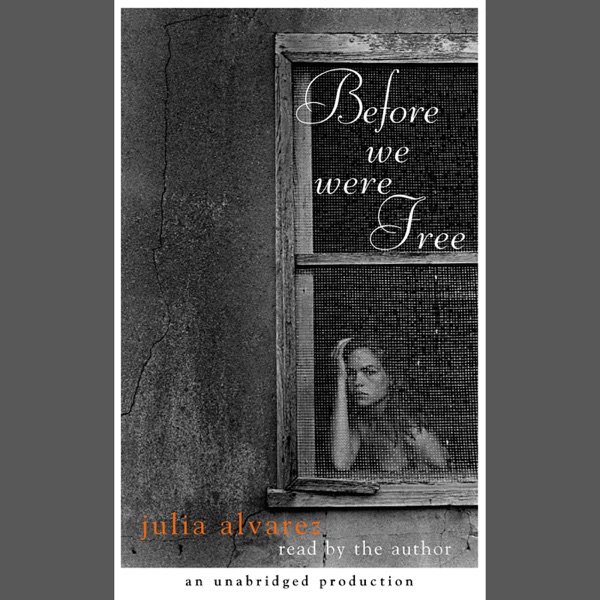
by Julia Alvarez
Middle grade · ages 10–14 · grades 5–9 · 740L
The most honest middle-grade novel about dictatorship and exile — Alvarez trusts kids to handle real fear and moral complexity without softening either.
Stretch them up
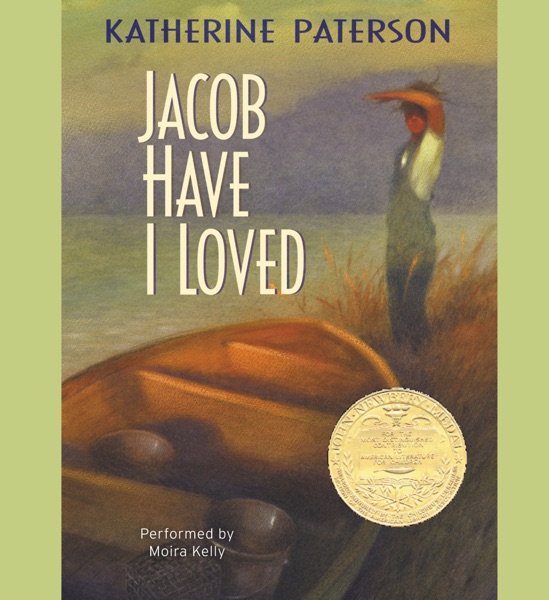
by Katherine Paterson
Middle grade · ages 10–14 · grades 5–9 · 820L
A Newbery winner that actually deserves it—Paterson writes sibling resentment and reconciliation with such honesty that kids recognize their own families, and the 1941 Chesapeake setting carries real historical weight without preaching.
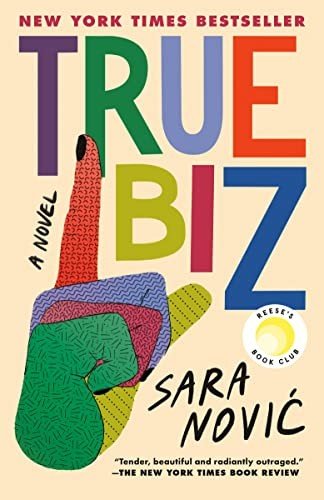
by Sara Nović
Middle grade · ages 10–14 · grades 5–9 · 820L
A genuinely original YA-crossover novel that treats Deaf culture as protagonist, not obstacle—kids learn to think in sign while wrestling with identity questions that feel urgent, not didactic.
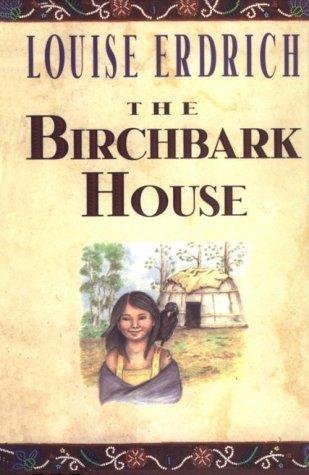
by Louise Erdrich
Middle grade · ages 8–12 · grades 3–7 · 820L
Erdrich's portrait of Omakayas and her family is unsentimental and alive—the smallpox arc is genuinely tragic, the cultural detail is precise, and a child reader walks away understanding Ojibwe life as rich and coherent, not distant or exotic.
Complementing on apology and repair
by Katherine Paterson
Middle grade · ages 10–14 · grades 5–9 · 820L
A Newbery winner that actually deserves it—Paterson writes sibling resentment and reconciliation with such honesty that kids recognize their own families, and the 1941 Chesapeake setting carries real historical weight without preaching.
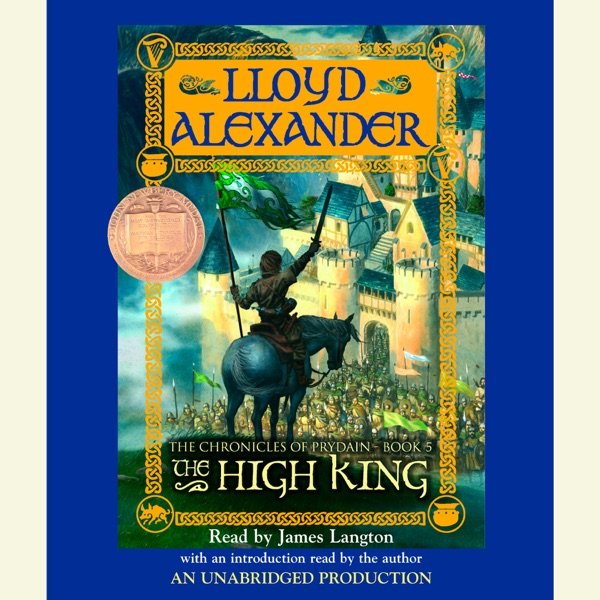
by Lloyd Alexander
Middle grade · ages 10–14 · grades 5–9 · 820L
The rare fantasy finale that doesn't betray its series—Taran's choice to remain mortal and ordinary is genuinely moving, and the prose does work that feels grown-up without losing the adventure.
by Lloyd Alexander
Middle grade · ages 10–14 · grades 5–9 · 820L
The rare fantasy finale that doesn't betray its series—Taran's choice to remain mortal and ordinary is genuinely moving, and the prose does work that feels grown-up without losing the adventure.
We'd skip — for now
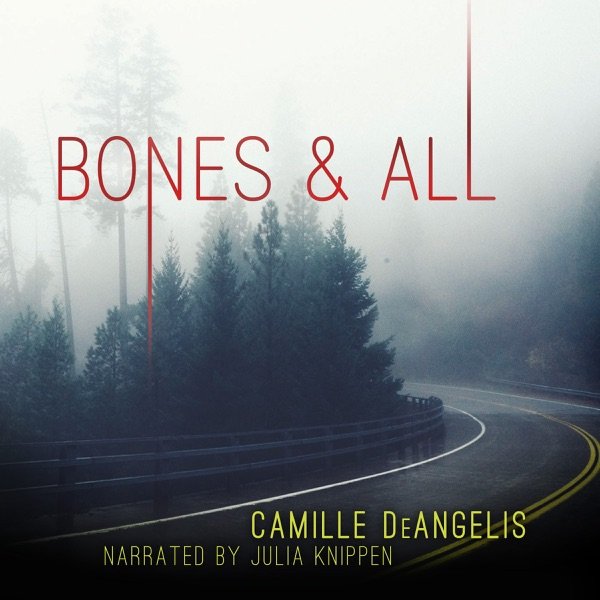
by Camille DeAngelis
A step up — ages 14–18 · grades 9–12
Skip it if your teen is disturbed by cannibalism (even as metaphor/practice) or if they're not yet ready for literary darkness without clear moral resolution.
