For a reader who just finished
Books like Feed
after Feed by M. T. Anderson · ages 14–18
Same style
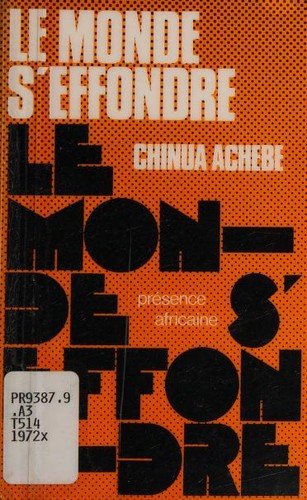
by Chinua Achebe
Young adult · ages 14–18 · grades 9–12 · 1020L
Essential reading that flips the colonial narrative—Achebe's prose is spare and powerful, and the cultural detail grounded enough that teen readers grasp both Igbo society and the tragedy of its encounter with empire.
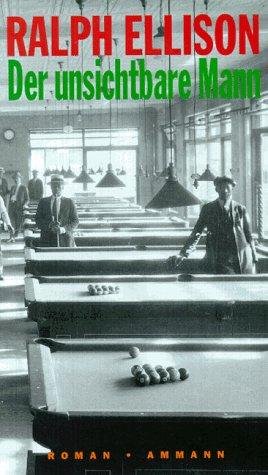
by Ralph Ellison
Young adult · 1050L
Essential American novel and a legitimate YA read for mature teens — the prose is demanding but the invisibility metaphor lands immediately, and the racial reckoning it demands is irreplaceable.
by John Steinbeck
Young adult · ages 14–18 · grades 9–12 · 1040L
A devastating masterpiece about friendship, disability, and mercy that reads in one sitting—literary benchmark for any teen reader ready to grapple with moral ambiguity and the Depression era.
Stretch them up
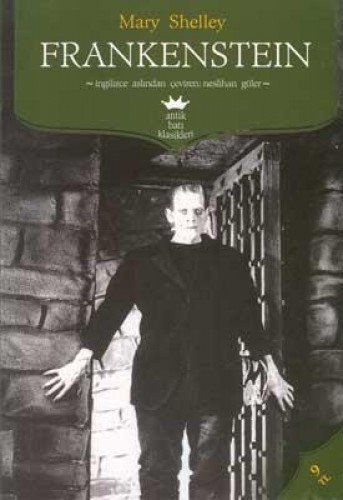
by Mary Shelley
Young adult · ages 12–18 · grades 7–12 · 1180L
A genuinely haunting exploration of responsibility, isolation, and monstrosity that holds up—the creature is more eloquent and sympathetic than Victor, and that inversion lands harder on a reread.
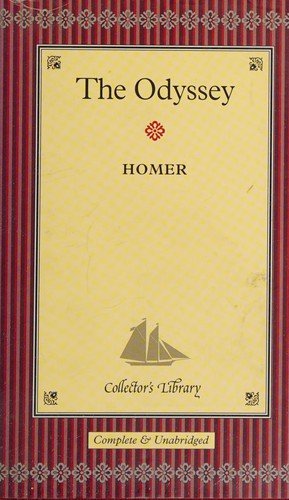
by Homer
Young adult · ages 12–18 · grades 7–12 · 1200L
A foundational epic with real bite—the supernatural menace and maritime peril land, the politics of honor and homecoming still sting, and most 12+ readers surprise themselves by wanting to know what happens next.
by William Shakespeare
Young adult · ages 14–18 · grades 9–12 · 1200L
Shakespeare's funniest play about gender and desire—the language is genuinely witty (not impenetrable), and the gender-bending premise still hits because the emotional confusion is real, not just theatrical setup.
Complementing on truth
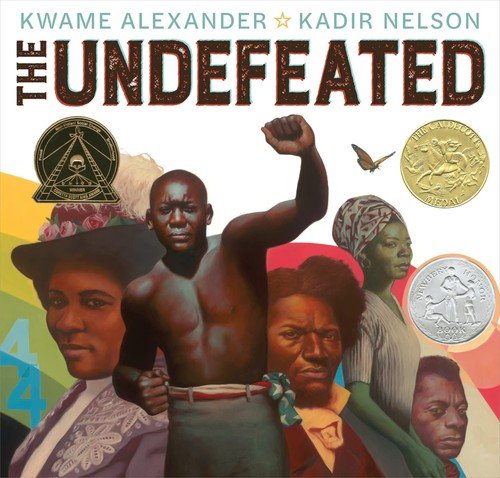
by Kwame Alexander
Verse novel · ages 10–14 · grades 5–9 · 620L
A landmark book that uses verse to make 500 years of Black American history personal and urgent—kids understand their own power within a larger story.
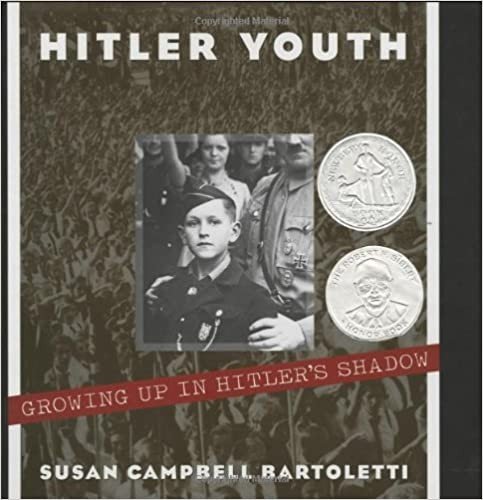
by Susan Campbell Bartoletti
Nonfiction · age 10+ · grade 5+ · 1050L
The most honest, unflinching introduction to how propaganda works on young minds—essential reading for understanding WWII and how democracies stay vigilant.
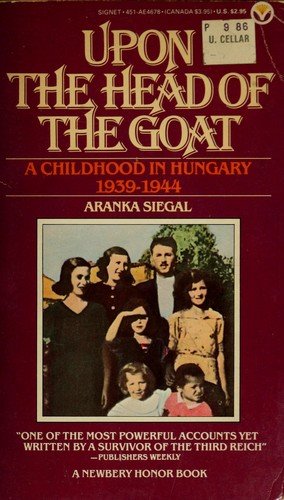
by Aranka Siegal
Nonfiction · ages 10–14 · grades 5–9 · 840L
A masterwork of Holocaust memoir written in a child's voice—unflinching about fear and loss, but grounded in the texture of ordinary summers, school, and family that make the encroaching darkness undeniable.
