For a reader who just finished
Books like Double take
after Double take by John Escott · ages 9–12
Same style
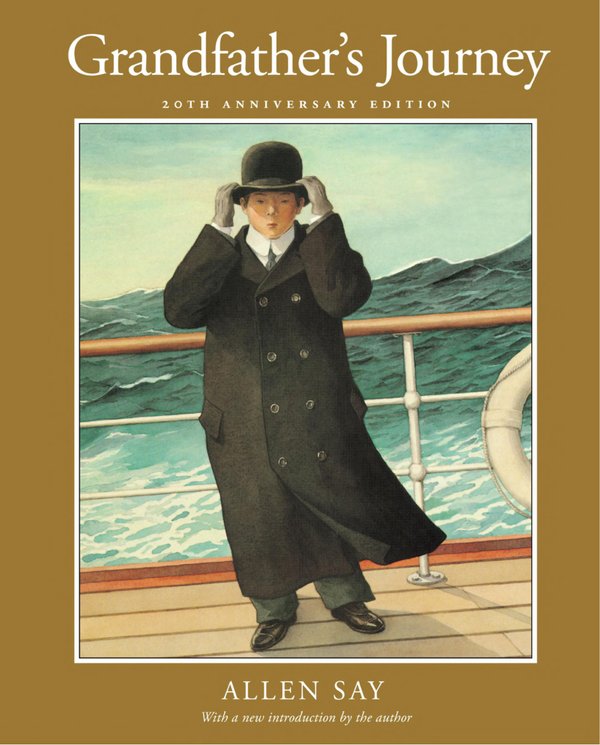
by Allen Say
Picture book · ages 4–8 · grades K–3 · 550L
A Caldecott winner that earns it—Say's watercolors and mirrored structure teach perspective-taking without sermon, and kids grasp the paradox of home better than most adults.
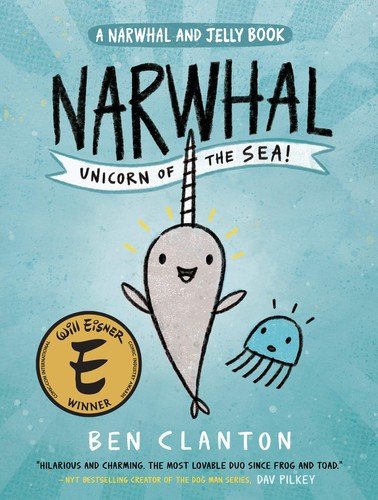
by Ben Clanton
Early reader · ages 4–8 · grades K–3 · 420L
Clanton's warmth and deadpan absurdist humor make this the gold-standard friendship book for early readers—kids laugh, absorb kindness without preaching, and ask for it again.
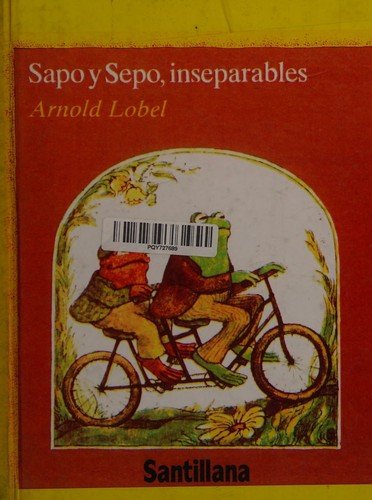
by Arnold Lobel
Early reader · ages 4–8 · grades K–3 · 420L
The gold standard for early readers — Lobel's deadpan humor and illustrations land for parent and child alike, and the friendship lessons feel lived rather than preachy.
Stretch them up
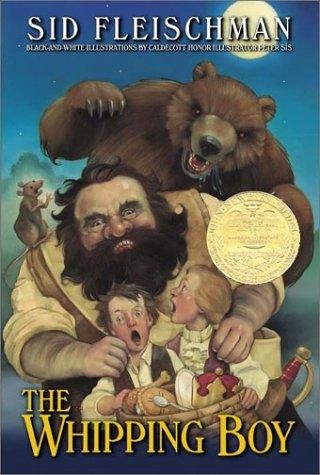
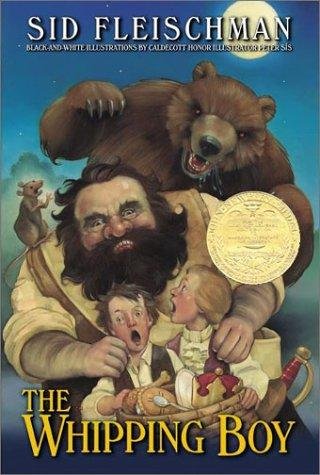
by Sid Fleischman
Chapter book · ages 8–12 · grades 3–7 · 700L
A Newbery that actually deserved it — adventure plot that carries real moral weight, two protagonists who earn their redemption, and a vocabulary stretch without feeling didactic.
by Sid Fleischman
Chapter book · ages 8–12 · grades 3–7 · 700L
A Newbery that actually deserved it — adventure plot that carries real moral weight, two protagonists who earn their redemption, and a vocabulary stretch without feeling didactic.
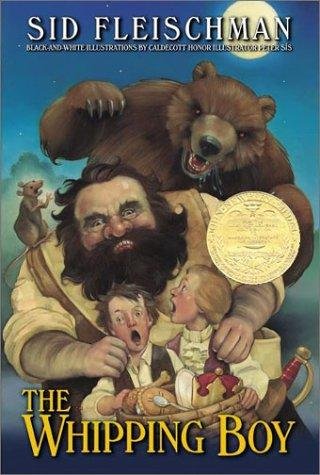
by Sid Fleischman
Chapter book · ages 8–12 · grades 3–7 · 700L
A Newbery that actually deserved it — adventure plot that carries real moral weight, two protagonists who earn their redemption, and a vocabulary stretch without feeling didactic.
Complementing on perspective taking
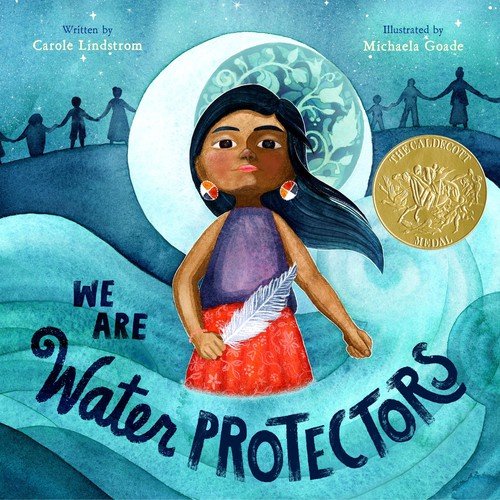
by Michaela Goade
Picture book · ages 4–8 · grades K–3
A stunning, unapologetic picture book that teaches kids water is alive and worth protecting; Michaela Goade's art transforms activism into something children feel in their bones.
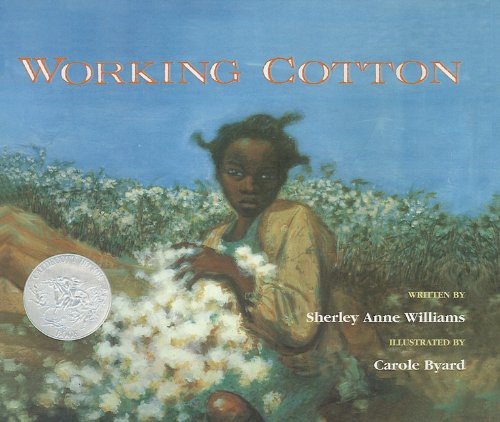
by Carole Byard
Picture book · ages 6–10 · grades 1–5 · 620L
Unflinching, lyrical, and told in the protagonist's own voice — this is the rare picture book that doesn't sentimentalize poverty but doesn't rob children of it either, and Carole Byard's collage art is extraordinary.
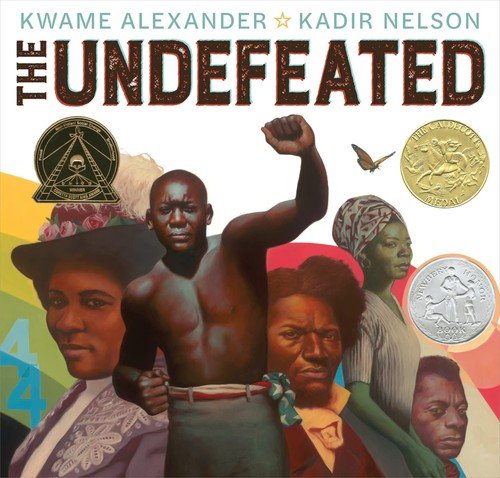
by Kwame Alexander
Verse novel · ages 10–14 · grades 5–9 · 620L
A landmark book that uses verse to make 500 years of Black American history personal and urgent—kids understand their own power within a larger story.
We'd skip — for now
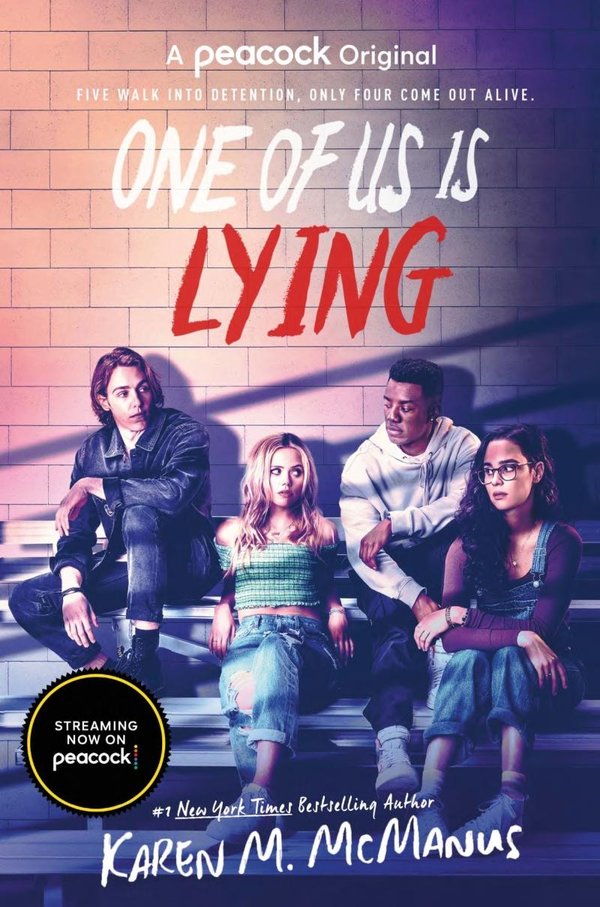
by Karen M. McManus
A step up — ages 14–18 · grades 9–12
Skip it if your teen has been deeply affected by school-based bullying or suicide ideation—the app that triggers the murder is designed to humiliate students, and emotional stakes include suicidal ideation (though not graphic).
