
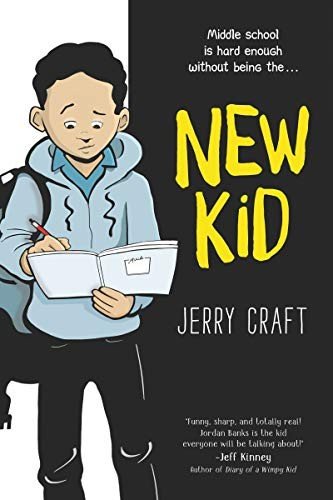
New Kid
by Jerry Craft
Graphic novel · ages 8–12 · grades 3–7 · 520L
A Newbery winner that actually earns it — funny and visually alive, but structurally honest about the real friction of code-switching and class without ever talking down to kids.
For a reader who just finished
after Double Dork Diaries by Rachel Renée Russell · ages 8–12
Same style
by Jerry Craft
Graphic novel · ages 8–12 · grades 3–7 · 520L
A Newbery winner that actually earns it — funny and visually alive, but structurally honest about the real friction of code-switching and class without ever talking down to kids.
by Patti Kim
Picture book · ages 4–8 · grades K–3 · 550L
A deceptively quiet picture book about the courage it takes to be a newcomer; Mina's gradual shift from 'I'm okay' (defensive) to genuinely okay (belonging) is earned and moving, not saccharine.
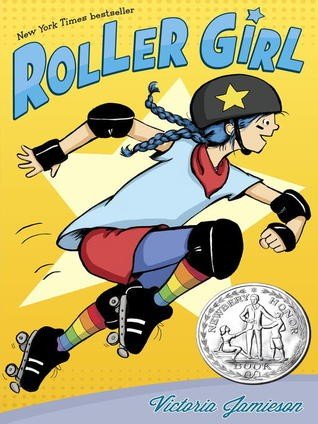
by Victoria Jamieson
Graphic novel · ages 8–12 · grades 3–7 · 520L
A graphic novel that earns its emotional weight—the illustration work (especially faces and body language) does half the storytelling about shame, jealousy, and what repair actually costs.
Complementing on friendship
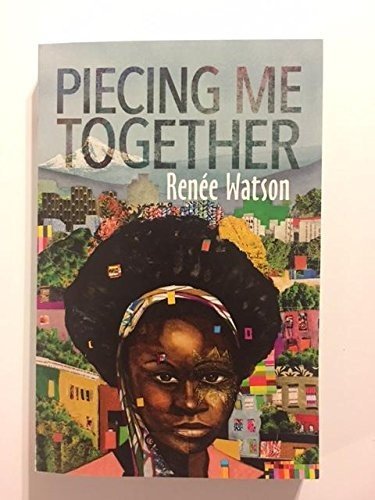
by Renée Watson
Middle grade · ages 10–14 · grades 5–9 · 780L
Quiet, unflinching portrait of a girl learning to trust her own vision—both literal (through collage) and metaphorical—when adults and peers constantly frame her through their own biases; the collage illustrations are structural, not decorative.
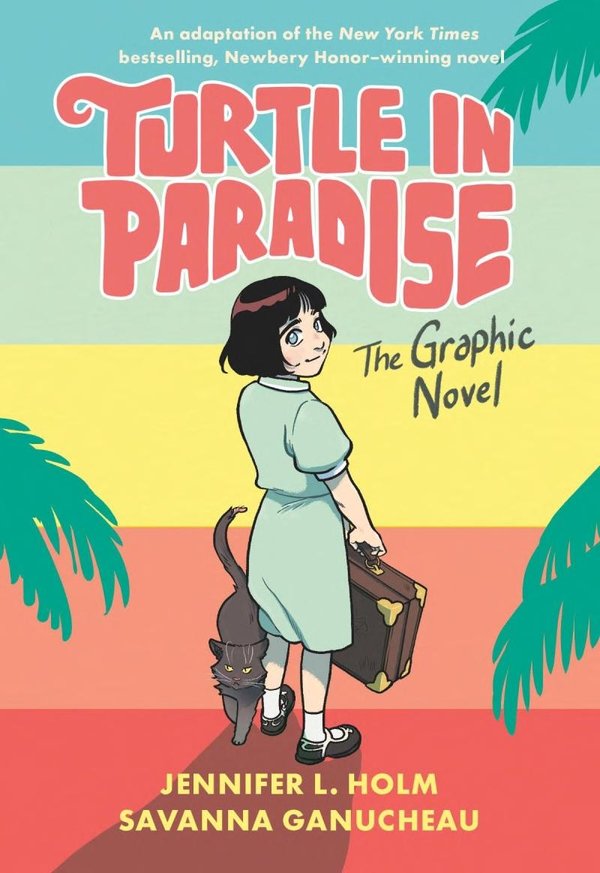
by Jennifer L. Holm
Middle grade · ages 8–12 · grades 3–7 · 760L
A Depression-era jewel that doesn't lecture—Turtle's scrappiness and the vividness of Key West make history immediate, and the message (belonging is something you find, not something you inherit) lands quietly and hard.
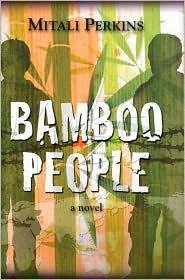
by Mitali Perkins
Middle grade · ages 10–14 · grades 5–9 · 760L
A genuinely serious middle-grade book about the Myanmar–Thailand border crisis that trusts kids to hold complexity without patronizing them; the dual narrative is a structural masterstroke.
We'd skip — for now
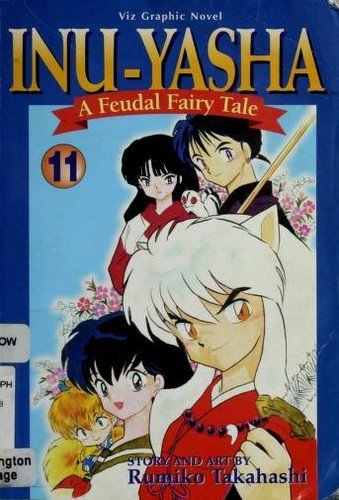
by 高橋留美子
A step up — ages 13–18 · grades 8–12
Skip it if your teen hasn't read volumes 1–18 or if drawn-violence depicting sword wounds and demon combat bothers them.