For a reader who just finished
Books like Dorothy and the Wizard in Oz
after Dorothy and the Wizard in Oz by L. Frank Baum · ages 8–12
Same style
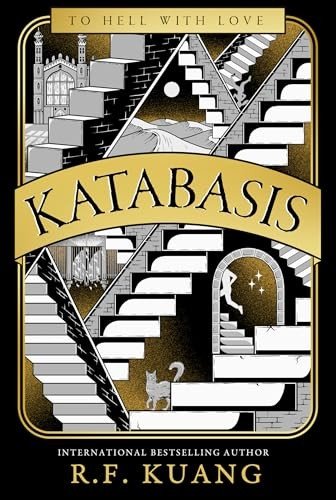
by R.F. Kuang
Middle grade · ages 9–12 · grades 4–7 · 780L
R.F. Kuang's first MG novel nails the Orpheus descent myth with a deaf protagonist whose disability is neither tragic backstory nor solved by magic—she wins because she thinks differently, and the book never patronizes that premise.
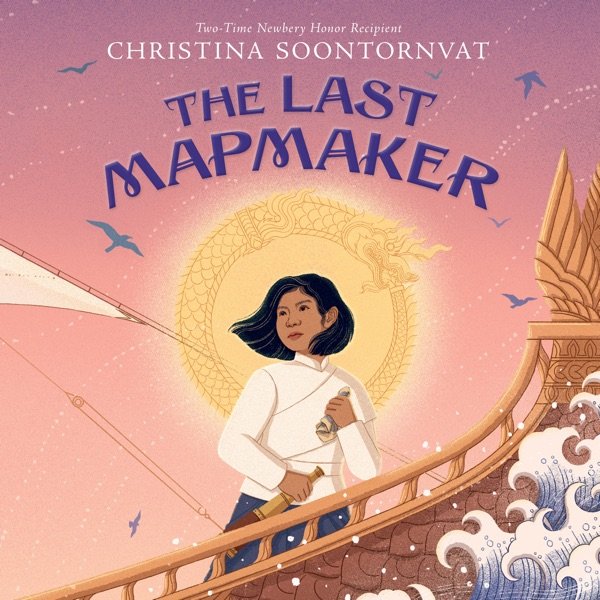
by Christina Soontornvat
Middle grade · ages 8–12 · grades 3–7 · 740L
A quietly confident adventure that treats neurodivergence as a lens, not a hurdle—and makes map-reading genuinely exciting through a protagonist who sees patterns others miss.
by Christina Soontornvat
Middle grade · ages 8–12 · grades 3–7 · 740L
A quietly confident adventure that treats neurodivergence as a lens, not a hurdle—and makes map-reading genuinely exciting through a protagonist who sees patterns others miss.
Stretch them up
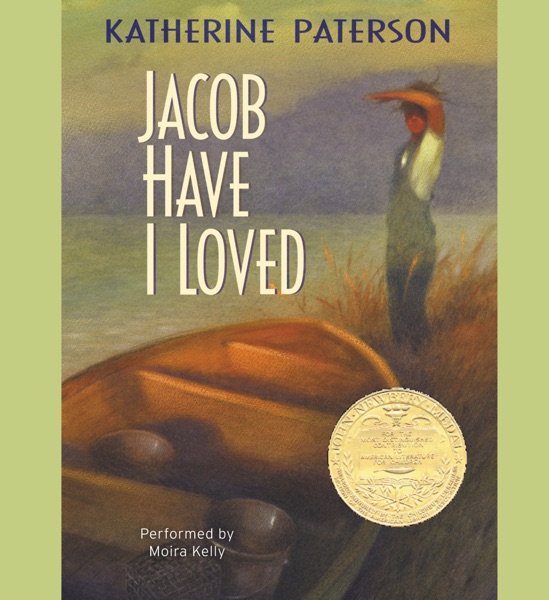
by Katherine Paterson
Middle grade · ages 10–14 · grades 5–9 · 820L
A Newbery winner that actually deserves it—Paterson writes sibling resentment and reconciliation with such honesty that kids recognize their own families, and the 1941 Chesapeake setting carries real historical weight without preaching.
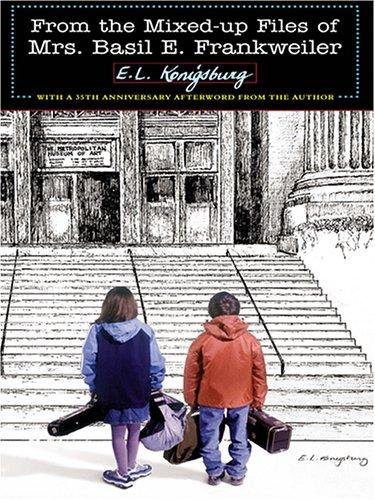
by E. L. Konigsburg
Middle grade · ages 8–12 · grades 3–7 · 790L
A book that trusts kids to be intellectually bored and emotionally complex—Claudia's runaway isn't melodrama, it's a quiet reckoning with identity that lands harder on rereads.
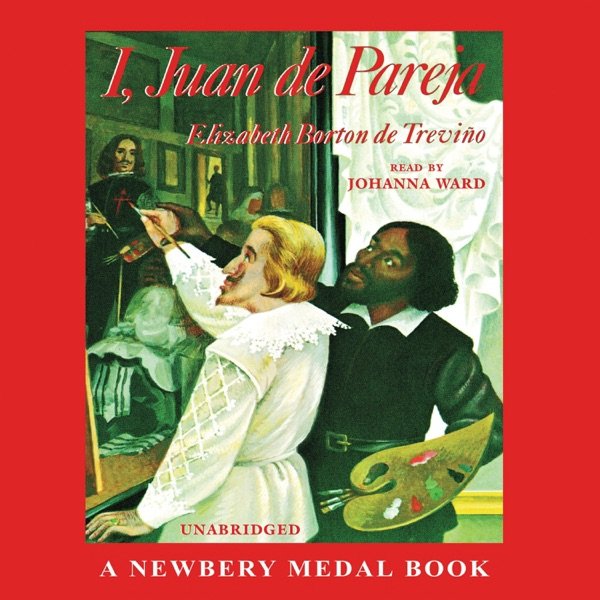
by Elizabeth Borton de Treviño
Middle grade · ages 10–14 · grades 5–9 · 820L
A Newbery winner that doesn't condescend—serious, historically grounded, and genuinely about how one person's refusal to accept powerlessness can remake a life; the prose is elegant and the emotional core is real.
Complementing on problem solving
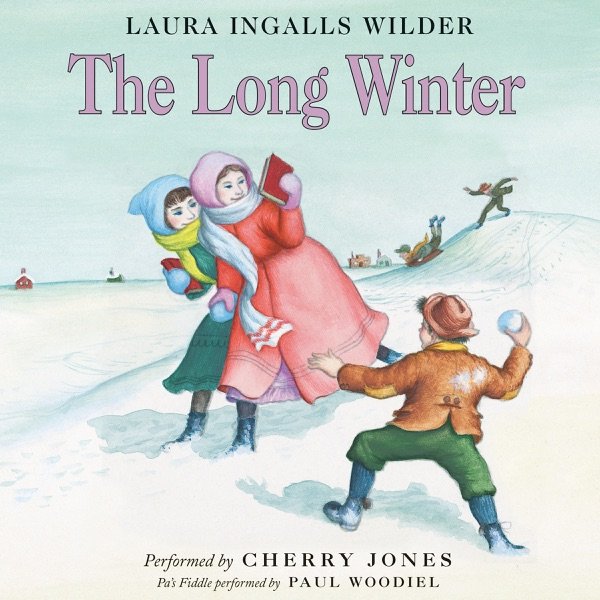
by Laura Ingalls Wilder
Middle grade · ages 8–12 · grades 3–7 · 740L
The most gripping book in the series—a taut survival narrative that doesn't sentimentalize hardship, and kids emerge understanding both pioneer resourcefulness and genuine historical vulnerability.
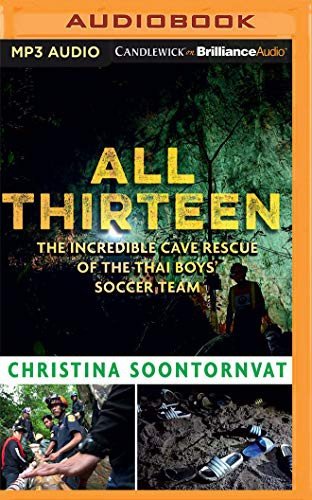
by Christina Soontornvat
Middle grade · ages 9–12 · grades 4–7 · 780L
A nail-biting real-world rescue told with genuine suspense and respect for both the boys and the multinational team that saved them—no melodrama, just brilliant problem-solving under impossible conditions.
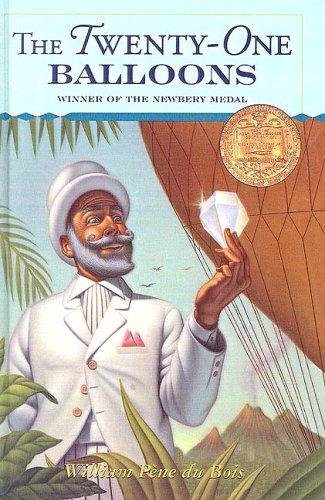
by William Pène du Bois
Middle grade · ages 8–12 · grades 3–7 · 750L
A Newbery winner that earns it — ingenious premise, beautiful technical illustrations, and a protagonist who thinks his way out of catastrophe rather than stumbling through.
We'd skip — for now
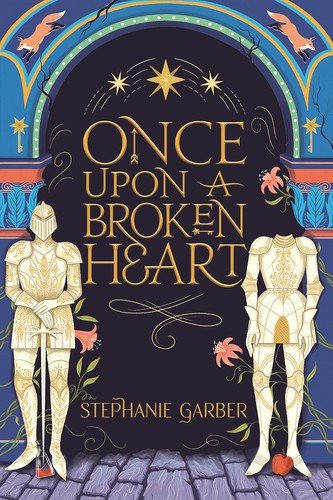
by Stephanie Garber
A step up — ages 12–16 · grades 7–11
Skip it if your teen reader is not yet interested in romantic tension as a plot driver, or if they've outgrown fairytale retellings.
