For a reader who just finished
Books like Daydreamers
after Daydreamers by Tom Feelings · ages 4–8
Same style

by Nancy Willard
Picture book · ages 4–9 · grades K–4 · 620L
A Newbery Medal winner that reads like illustrated poetry — Willard's language is playful and precise, Blake's influence is felt throughout, and children return to it because it feels like a secret.

by Faith Ringgold
Picture book · ages 4–8 · grades K–3 · 650L
A picture book that works at 6 and deepens at 9—Ringgold's quilted illustrations and Cassie's dreaming of flight and ownership will stick with your kid for years, and the 1930s Harlem setting opens conversations about racism, class, and what freedom means.
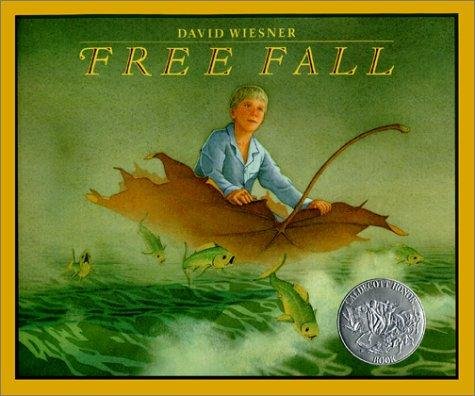
by David Wiesner
Picture book · ages 4–8 · grades K–3
A Caldecott Medal masterpiece that says nothing and shows everything — pure visual storytelling that unlocks kids' own dream-logic and proves a picture book can be as artistically sophisticated as it is accessible.
Stretch them up
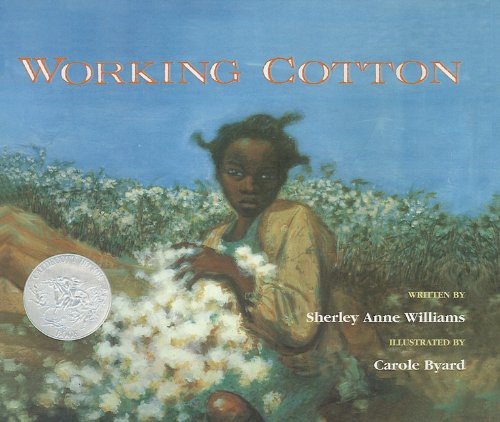
by Carole Byard
Picture book · ages 6–10 · grades 1–5 · 620L
Unflinching, lyrical, and told in the protagonist's own voice — this is the rare picture book that doesn't sentimentalize poverty but doesn't rob children of it either, and Carole Byard's collage art is extraordinary.

by Eloise Greenfield
Picture book · ages 6–9 · grades 1–4 · 620L
Eloise Greenfield's only children's book about the Great Migration—lyrical, historically grounded, and emotionally honest without being heavy; the illustrations anchor abstract history in real bodies and faces.
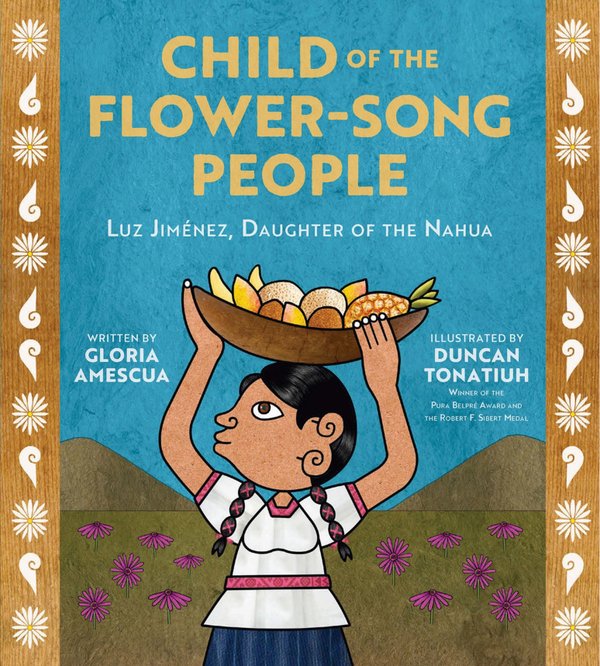
by Gloria Amescua
Picture book · ages 5–9 · grades K–4 · 620L
A radiant, historically grounded picture biography that centers an Indigenous Mexican girl's artistry and cultural transmission—rare, necessary, and illustrated with beauty that matches the text.
Complementing on imagination
by Nancy Willard
Picture book · ages 4–9 · grades K–4 · 620L
A Newbery Medal winner that reads like illustrated poetry — Willard's language is playful and precise, Blake's influence is felt throughout, and children return to it because it feels like a secret.
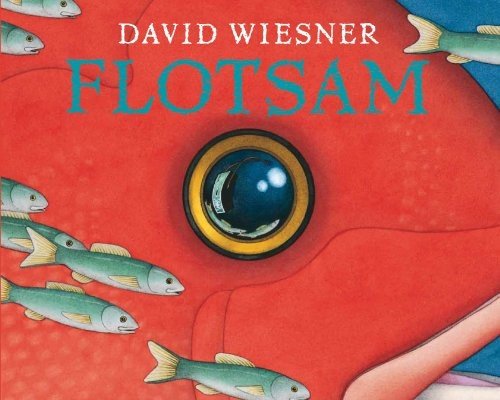
by David Wiesner
Picture book · ages 4–8 · grades K–3
A wordless masterpiece that teaches observation and sparks imagination without a single sentence—kids stare at the panels, construct their own theories, and beg to flip through it again.
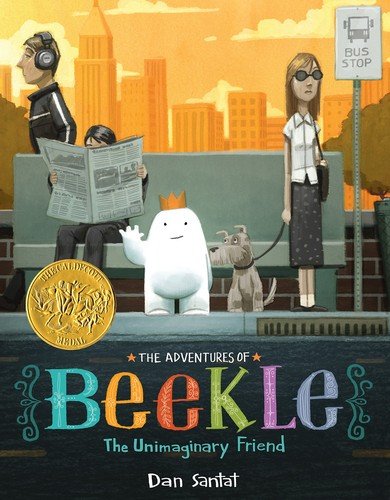
by Dan Santat
Picture book · ages 4–8 · grades K–3 · 620L
A Caldecott winner that genuinely earns it — the wordless passages and Santat's watercolor spreads do more work than the text, and the longing-to-connection arc lands with real emotional weight for kindergarteners and up.
We'd skip — for now
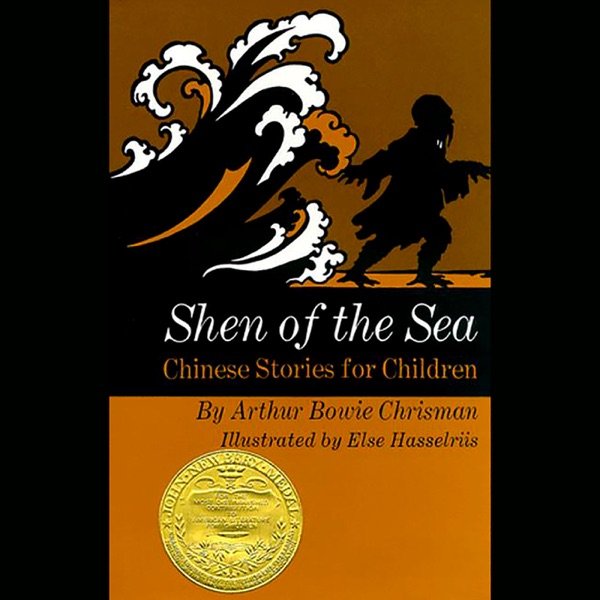
by Arthur Bowie Chrisman
A step up — ages 8–12 · grades 3–7
Skip it if your child prefers plot-driven contemporary stories over folkloric mood pieces—these are lyrical and episodic, not propulsive.
