
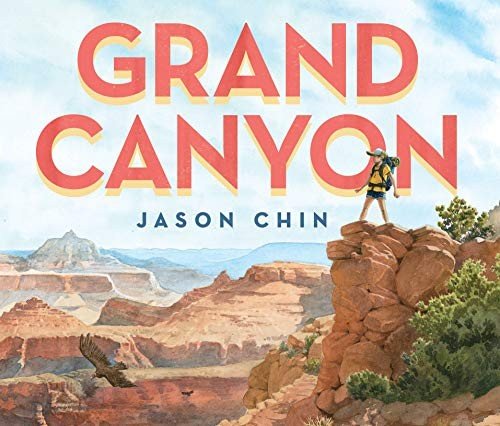
Grand Canyon
by Jason Chin
Picture book · ages 5–9 · grades K–4 · 620L
A picture book that treats deep time and geological process with poetic clarity; Chin's cutaway illustrations make 1.8 billion years visceral and navigable for a 6-year-old.
For a reader who just finished
after Dark Emperor & Other Poems of the Night by Joyce Sidman · ages 6–10
Same style
by Jason Chin
Picture book · ages 5–9 · grades K–4 · 620L
A picture book that treats deep time and geological process with poetic clarity; Chin's cutaway illustrations make 1.8 billion years visceral and navigable for a 6-year-old.
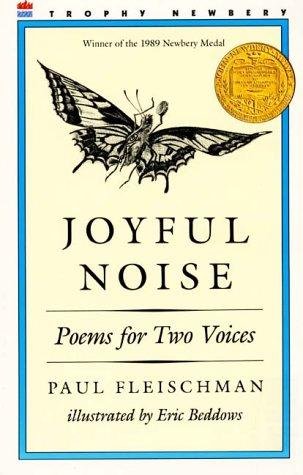
by Paul Fleischman
Verse novel · ages 8–12 · grades 3–7 · 620L
A Newbery Medal masterpiece that teaches kids how to listen to nature through the architecture of two-voice poetry — kids discover they can read these aloud *right now* with a friend and it immediately sounds like music.
by Leo Politi
Picture book · ages 4–8 · grades K–3 · 620L
A 1946 Newbery winner that holds up: lyrical, culturally grounded, and teaches patient observation without preaching—the swallows are a genuine draw, not a metaphor.
Complementing on observation evidence
by Paul Fleischman
Verse novel · ages 8–12 · grades 3–7 · 620L
A Newbery Medal masterpiece that teaches kids how to listen to nature through the architecture of two-voice poetry — kids discover they can read these aloud *right now* with a friend and it immediately sounds like music.
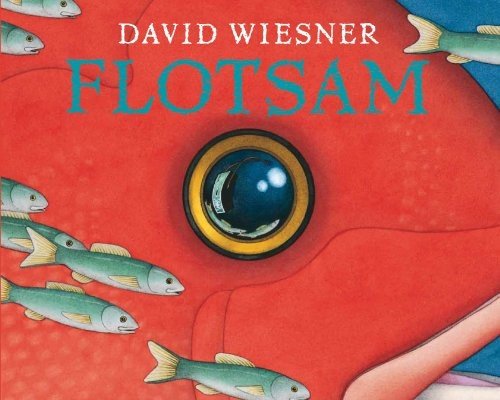
by David Wiesner
Picture book · ages 4–8 · grades K–3
A wordless masterpiece that teaches observation and sparks imagination without a single sentence—kids stare at the panels, construct their own theories, and beg to flip through it again.
by Leo Politi
Picture book · ages 4–8 · grades K–3 · 620L
A 1946 Newbery winner that holds up: lyrical, culturally grounded, and teaches patient observation without preaching—the swallows are a genuine draw, not a metaphor.
We'd skip — for now
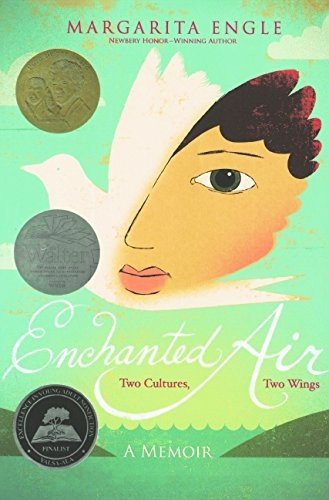
by Margarita Engle
A step up — ages 10–14 · grades 5–9
Skip it if your child is averse to poetry or hasn't yet engaged with memoir as a form; the emotional weight lands best with kids who can sit with complexity.