For a reader who just finished
Books like Count on Your Fingers African Style
after Count on Your Fingers African Style by Jerry Pinkney · ages 4–8
Same style

by Carmen Lomas Garza
Picture book · ages 4–8 · grades K–3
Lomas Garza's cut-paper illustrations are so vivid they feel tactile; this is a quiet, powerful book about Mexican American family life that lets children see themselves or learn generously about others' everyday magic.
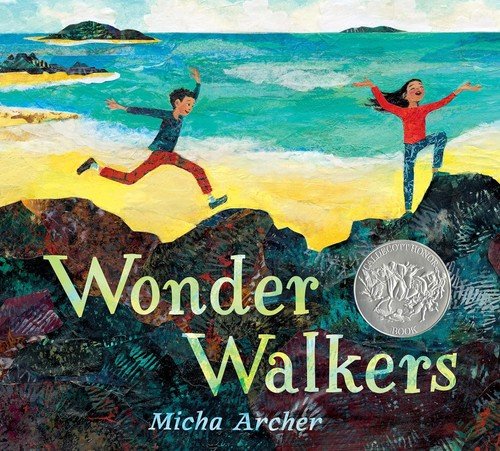
by Micha Archer
Picture book · ages 4–8 · grades K–3 · 420L
A quiet, joyful celebration of noticing — the kind of book that trains kids to actually *see* the world and ask real questions instead of moving past it.
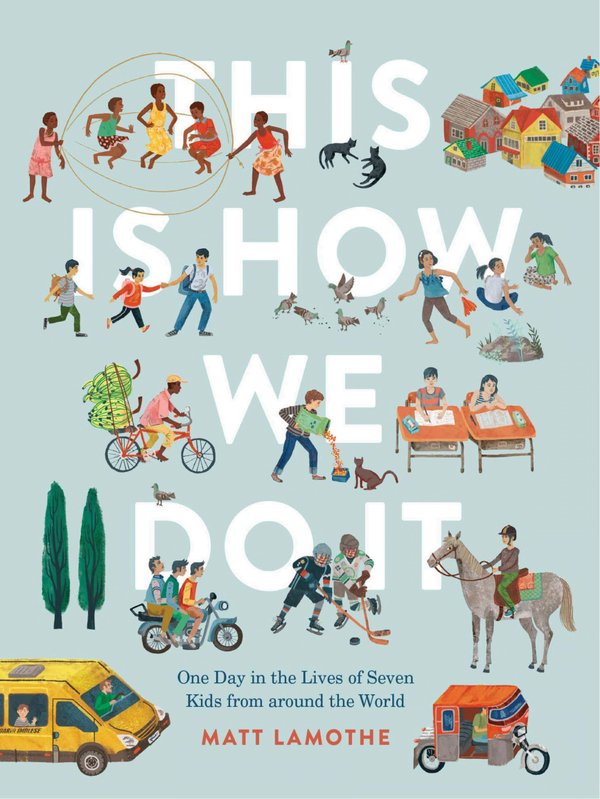
by Matt Lamothe
Picture book · ages 4–8 · grades K–3 · 480L
A deceptively simple picture book that makes global perspective-taking feel inevitable rather than preachy—kids recognize themselves in children across continents and want to know more.
Stretch them up
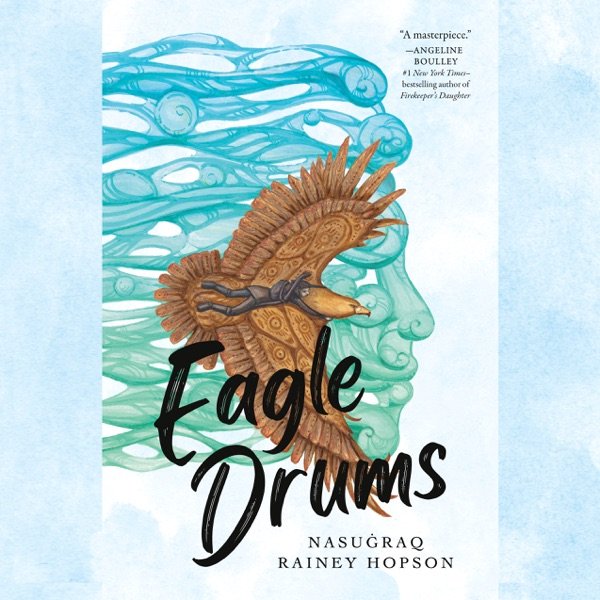
by Nasuġraq Rainey Hopson
Picture book · ages 4–8 · grades K–3 · 580L
A grounded, unsentimental introduction to Iñupiaq life and art-making that centers Indigenous voice and knowledge without performative cuteness—genuinely beautiful and necessary.
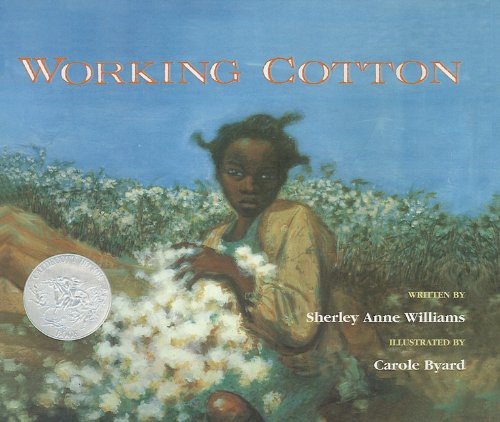
by Carole Byard
Picture book · ages 6–10 · grades 1–5 · 620L
Unflinching, lyrical, and told in the protagonist's own voice — this is the rare picture book that doesn't sentimentalize poverty but doesn't rob children of it either, and Carole Byard's collage art is extraordinary.

by Faith Ringgold
Picture book · ages 4–8 · grades K–3 · 650L
A picture book that works at 6 and deepens at 9—Ringgold's quilted illustrations and Cassie's dreaming of flight and ownership will stick with your kid for years, and the 1930s Harlem setting opens conversations about racism, class, and what freedom means.
Complementing on math concepts
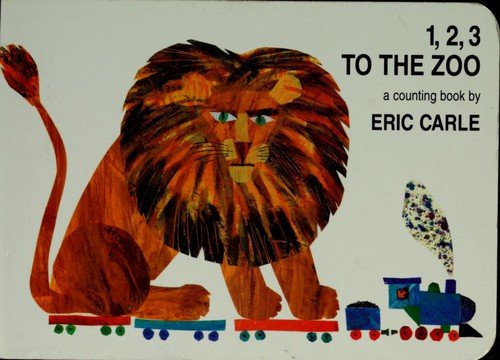
by Eric Carle
Board book · ages 2–5 · grade K
Carle's most elegant counting book — the die-cuts and primary colors make number sequences stick without feeling didactic, and it holds up to dozens of rereadings.
by Jerry Pinkney
Picture book · ages 4–8 · grades K–3 · 400L
Jerry Pinkney's watercolors make this a visual feast—the finger-counting method is genuinely memorable and kids ask to learn it, plus it quietly seeded that math exists differently around the world.
We'd skip — for now
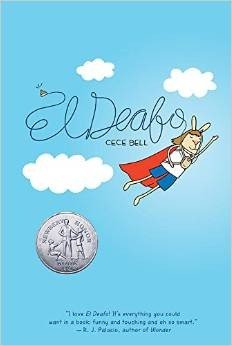
by Cece Bell
A step up — ages 8–12 · grades 3–7
Skip it if your child has had a recent major hearing change and isn't yet ready to process it through narrative; this book may reopen fresh wounds.
