
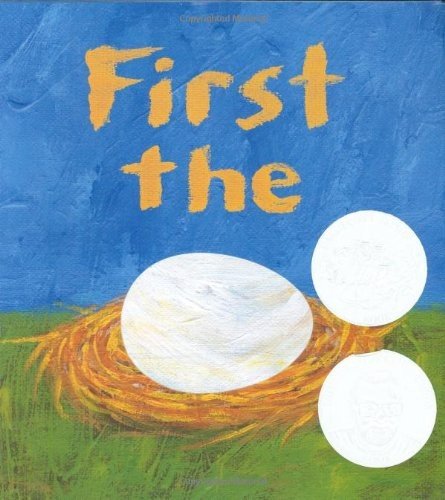
First the Egg
by Laura Vaccaro Seeger
Picture book · ages 2–5 · grade K
A nearly wordless picture book about transformation that preschoolers return to obsessively; the die-cut pages make the metamorphosis tactile and concrete.
For a reader who just finished
after Cock-a-Doodle Doo by Berta and Elmer Hader · ages 3–7
Same style
by Laura Vaccaro Seeger
Picture book · ages 2–5 · grade K
A nearly wordless picture book about transformation that preschoolers return to obsessively; the die-cut pages make the metamorphosis tactile and concrete.
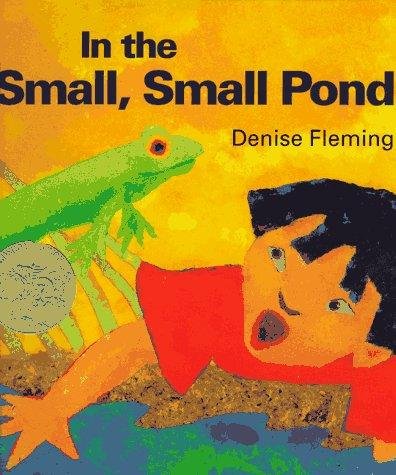
by Denise Fleming
Picture book · ages 2–5 · grade K
Fleming's die-cut pages and textured board make this tactile delight feel like exploring the pond itself—kids under 5 ask for it by name.
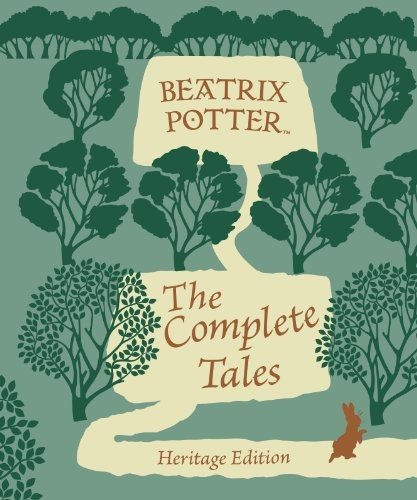
by Beatrix Potter
Picture book · ages 3–8 · grades K–3 · 350L
The originals — Potter's language is precise and slightly arch, her watercolors are exquisite, and the stories hold up as complete narratives, not simplified retellings.
Stretch them up
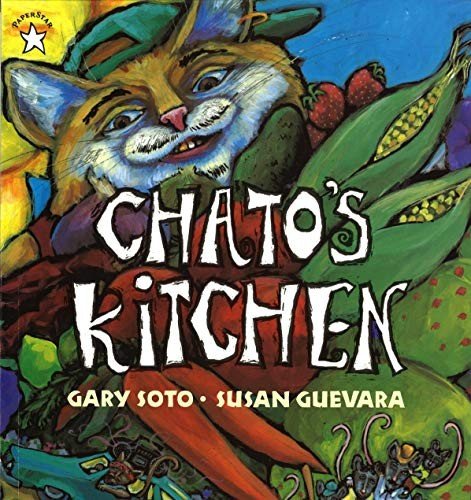
by Susan Guevara
Picture book · ages 4–8 · grades K–3 · 520L
A genuinely charming meditation on unexpected friendship and cultural warmth—Guevara's art captures East LA texture, and the predator-prey friendship subversion delights without preaching.
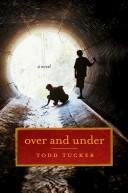
by Todd Tucker
Picture book · ages 4–8 · grades K–3 · 600L
A quiet masterpiece that teaches observation without a word of didacticism—kids naturally want to lift the flaps and peek, building real naturalist instincts.
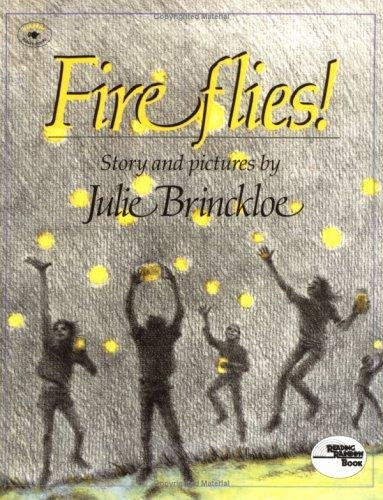
by Julie Brinckloe
Picture book · ages 4–8 · grades K–3 · 500L
A quiet masterpiece about the exact moment a child learns that love sometimes means letting go—the watercolor illustrations are luminous and the emotional arc is genuinely moving without being heavy.
Complementing on observation evidence
by Leo Politi
Picture book · ages 4–8 · grades K–3 · 620L
A 1946 Newbery winner that holds up: lyrical, culturally grounded, and teaches patient observation without preaching—the swallows are a genuine draw, not a metaphor.
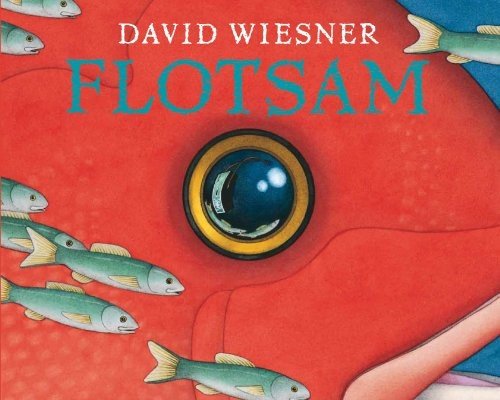
by David Wiesner
Picture book · ages 4–8 · grades K–3
A wordless masterpiece that teaches observation and sparks imagination without a single sentence—kids stare at the panels, construct their own theories, and beg to flip through it again.
by Todd Tucker
Picture book · ages 4–8 · grades K–3 · 600L
A quiet masterpiece that teaches observation without a word of didacticism—kids naturally want to lift the flaps and peek, building real naturalist instincts.
We'd skip — for now
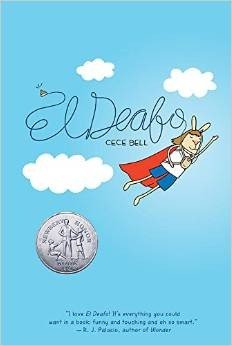
by Cece Bell
A step up — ages 8–12 · grades 3–7
Skip it if your child has had a recent major hearing change and isn't yet ready to process it through narrative; this book may reopen fresh wounds.