For a reader who just finished
Books like BETH IS DEAD
after BETH IS DEAD by Katie Bernet · ages 9–12
Same style
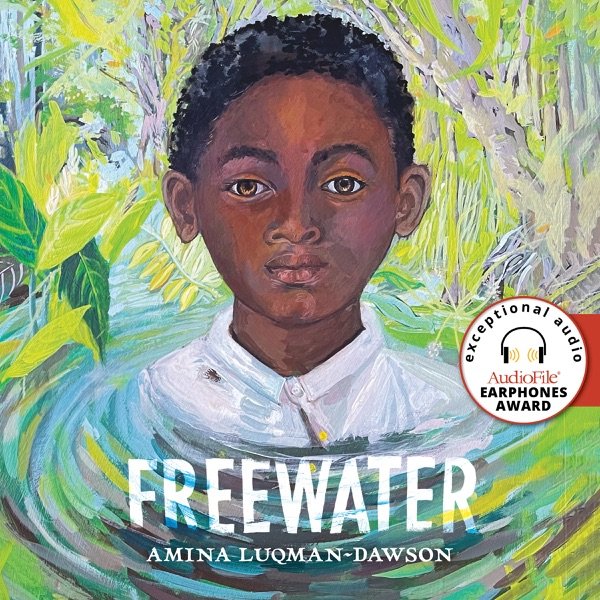
by Amina Luqman-Dawson
Middle grade · ages 10–14 · grades 5–9 · 780L
A rare middle-grade novel that treats slavery and Black resistance with intellectual and emotional honesty—no sanitizing, no triumph-narrative shortcuts, but genuine complexity and beauty.
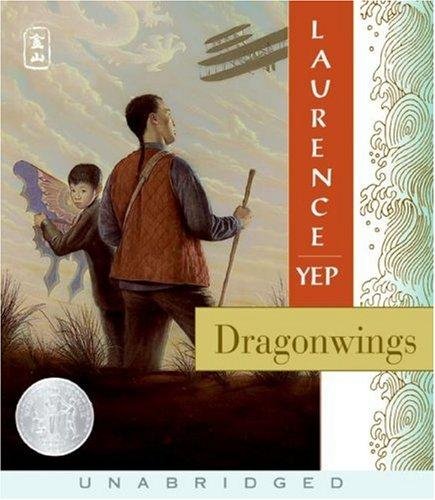
by Laurence Yep
Middle grade · ages 10–14 · grades 5–9 · 780L
A Newbery Honor book that earns it—Yep weaves Chinese folklore, early aviation history, and the immigrant experience into a story that changes how kids understand American identity and belonging.
by Katherine Paterson
Middle grade · ages 8–12 · grades 3–7 · 740L
A watershed book for most kids who read it—not because it's cheerful, but because it takes grief seriously and shows that imagination can be both escape and source of real connection.
Stretch them up
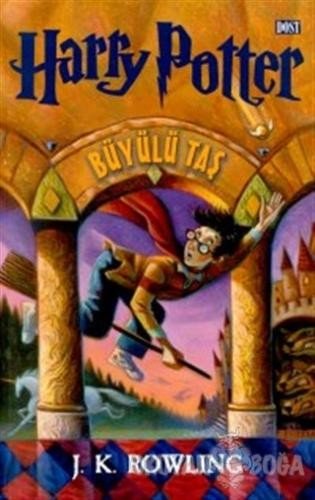
by J. K. Rowling
Middle grade · ages 9–12 · grades 4–7 · 880L
The book that redefined children's fiction — richly imagined world, genuine stakes, prose that respects young readers, and a protagonist's journey from isolation to belonging that doesn't feel saccharine.
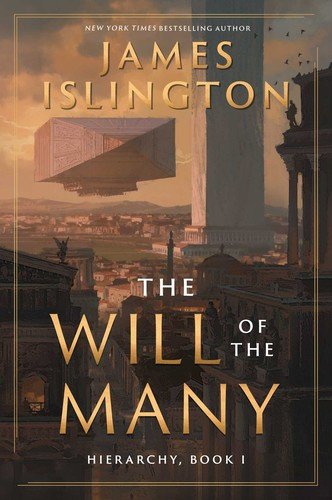
by James Islington
Middle grade · ages 10–14 · grades 5–9 · 890L
A genuinely sophisticated magic system wrapped in a mystery about identity — harder than typical middle grade but rewarding for strong readers who don't need constant humor.
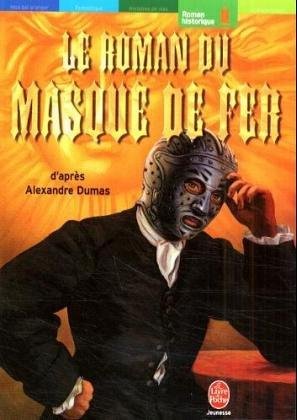
by Alexandre Dumas
Middle grade · ages 10–14 · grades 5–9 · 850L
Dumas's most intellectually challenging novel for this age — the identity-swap plot demands careful attention, but the pacing and moral ambiguity reward readers ready to wrestle with unfair systems.
Complementing on naming feelings
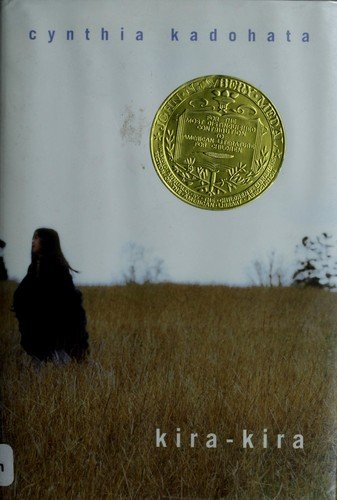
by Cynthia Kadohata
Middle grade · ages 9–12 · grades 4–7 · 760L
A Newbery Medal winner that earns it—luminous, unsentimental, and genuinely about how love and small moments sustain a family facing real hardship and loss.
by Juan Felipe Herrera
Verse novel · ages 6–10 · grades 1–5 · 520L
A masterwork of bilingual wordplay that reads aloud with infectious energy—kids feel seen in the code-switching, and the poems actively teach that two languages in one mind is a superpower, not a problem.
by Katherine Paterson
Middle grade · ages 8–12 · grades 3–7 · 740L
A watershed book for most kids who read it—not because it's cheerful, but because it takes grief seriously and shows that imagination can be both escape and source of real connection.
We'd skip — for now
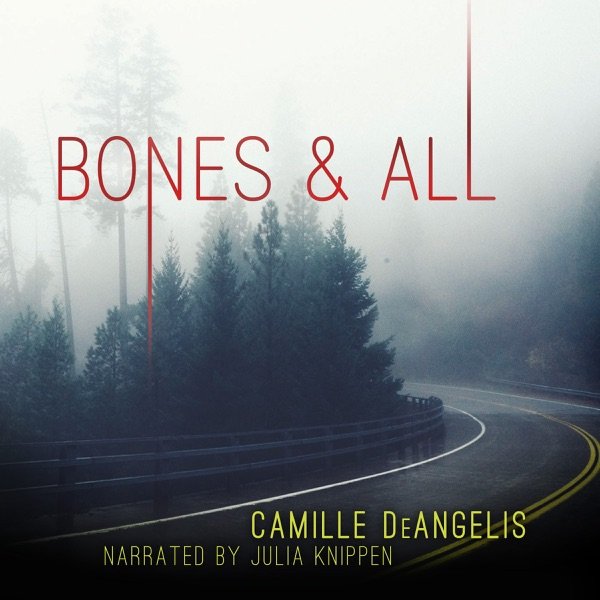
by Camille DeAngelis
A step up — ages 14–18 · grades 9–12
Skip it if your teen is disturbed by cannibalism (even as metaphor/practice) or if they're not yet ready for literary darkness without clear moral resolution.
