For a reader who just finished
Books like Bento Box in The Heartland: My Japanese Girlhood in Whitebread America
after Bento Box in The Heartland: My Japanese Girlhood in Whitebread America by Linda Furiya · ages 9–12
Same style
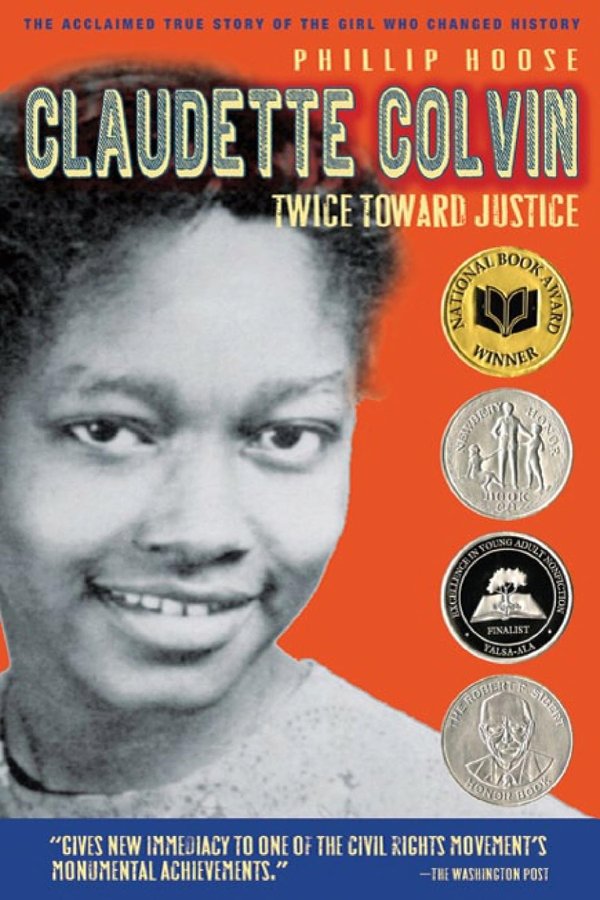
by Phillip Hoose
Nonfiction · ages 10–14 · grades 5–9 · 820L
The book that should be taught instead of (or alongside) Rosa Parks—immediate, deeply researched, and co-authored with Claudette herself, making it both historically authoritative and emotionally resonant for kids discovering real people with real moral agency.
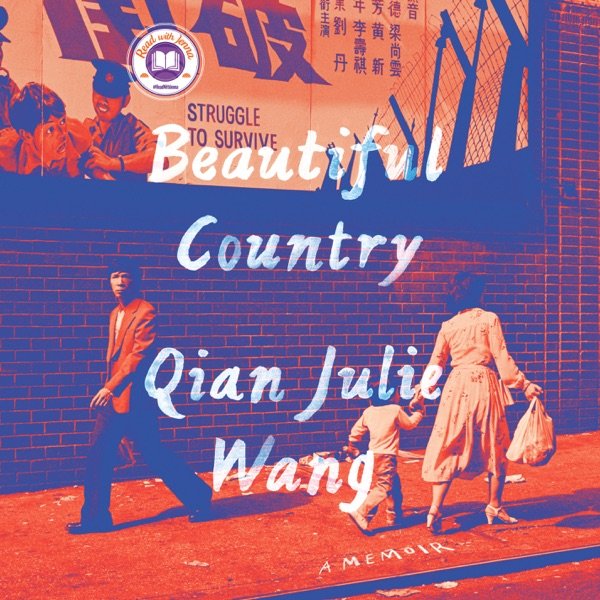
by Qian Julie Wang
Nonfiction · ages 10–14 · grades 5–9 · 800L
Devastating and precise—the only memoir about undocumented childhood written at a level middle-graders can access, and it lands.
by Cornelia Meigs
Nonfiction · ages 8–12 · grades 3–7 · 820L
A Newbery Medal winner that reads like a novel but grounds kids in how writers actually live and work—Alcott's poverty and grit are unsentimental, her ambition is real, and 19th-century Concord becomes vividly present.
Complementing on navigating difference
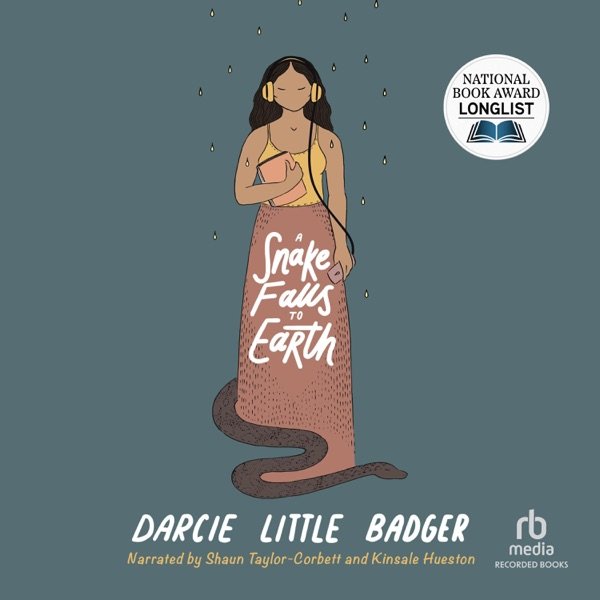
by Darcie Little Badger
Middle grade · ages 10–14 · grades 5–9 · 720L
A genuinely original middle-grade fantasy that centers Indigenous worldview and disability without sentimentality—the magic feels earned, the protagonist is unflinching, and the prose is gorgeous without being flowery.
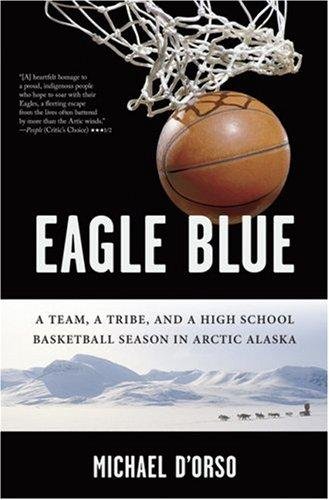
by Michael D'Orso
Nonfiction · age 10+ · grade 5+ · 1010L
A rare, unsentimental portrait of Indigenous teens navigating identity and community pressure through sport—more reportage than inspiration, which makes it real and durable.
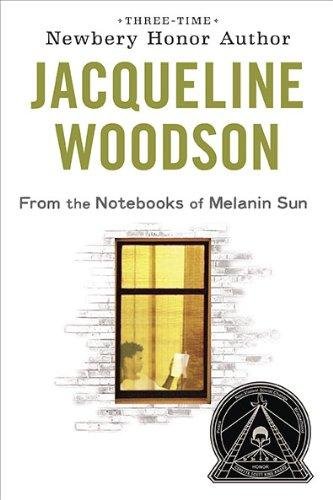
by Jacqueline Woodson
Middle grade · ages 8–12 · grades 3–7 · 710L
A quiet, deeply intelligent book about a 13-year-old boy processing his mother's relationship with a woman—Woodson's prose is spare and poetic, and Melanin's voice is utterly genuine; parents report kids want to talk about it afterward.
We'd skip — for now
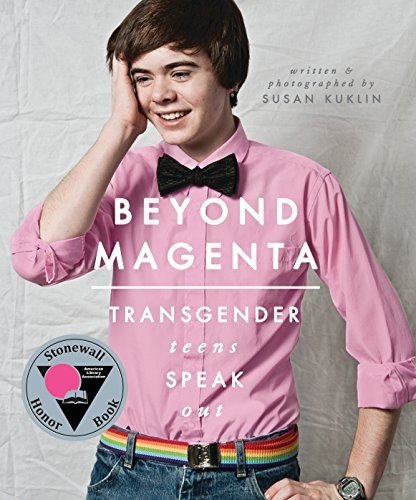
by Susan Kuklin
A step up — ages 14–18 · grades 9–12
Skip it if your family is not ready to discuss gender identity, sexuality, and the lived experience of discrimination; this book does not shy from those conversations.
