For a reader who just finished
Books like BASKET BALL
after BASKET BALL by Kadir Nelson · ages 4–8
Same style
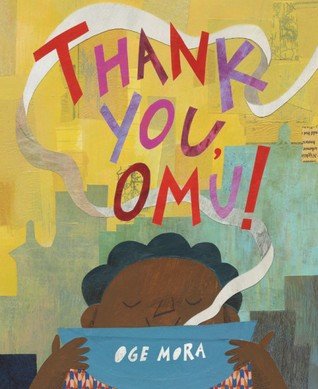
by Oge Mora
Picture book · ages 4–8 · grades K–3 · 550L
A picture book that actually trusts children to read visual complexity — Mora's collages convey emotion and cultural specificity without sentimentality, and the circular narrative (jollof rice returns full circle) is unforgettable.
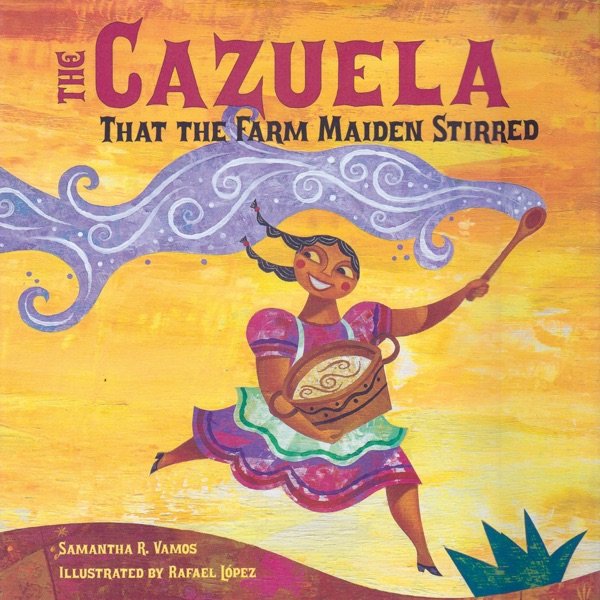
by Rafael López
Picture book · ages 4–8 · grades K–3 · 580L
A cumulative folktale in picture-book form that treats cultural food and community-building as joyful, unhurried acts — López's illustrations are the star.
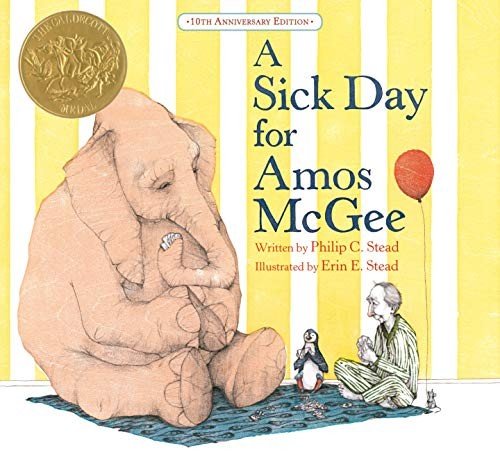
by Erin E. Stead
Picture book · ages 4–8 · grades K–3 · 560L
A perfect distillation of kindness as a two-way street—Amos teaches us daily care, then receives it back without fanfare; Stead's pencil art makes every gesture resonate.
Stretch them up
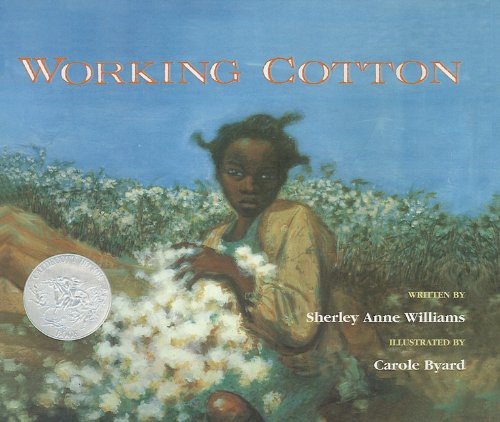
by Carole Byard
Picture book · ages 6–10 · grades 1–5 · 620L
Unflinching, lyrical, and told in the protagonist's own voice — this is the rare picture book that doesn't sentimentalize poverty but doesn't rob children of it either, and Carole Byard's collage art is extraordinary.

by Faith Ringgold
Picture book · ages 4–8 · grades K–3 · 650L
A picture book that works at 6 and deepens at 9—Ringgold's quilted illustrations and Cassie's dreaming of flight and ownership will stick with your kid for years, and the 1930s Harlem setting opens conversations about racism, class, and what freedom means.
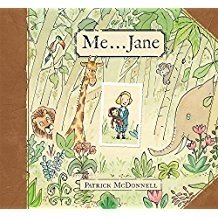
by Patrick McDonnell
Picture book · ages 4–8 · grades K–3 · 620L
McDonnell's watercolor dreaming captures the tender obsession of a girl with animals — this is how most naturalists start, and the book honors that without sentimentality.
Complementing on community and belonging
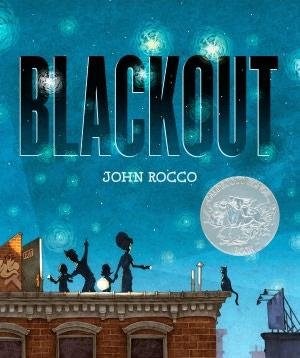
by John Rocco
Picture book · ages 4–8 · grades K–3 · 560L
A quietly powerful picture book about how constraint and disruption become an invitation for creativity and neighborhood kinship — Rocco's illustrations are the real star.
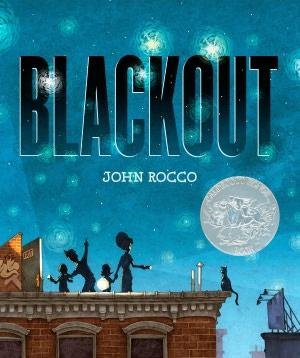
by John Rocco
Picture book · ages 4–8 · grades K–3 · 560L
A quietly powerful picture book about how constraint and disruption become an invitation for creativity and neighborhood kinship — Rocco's illustrations are the real star.
We'd skip — for now
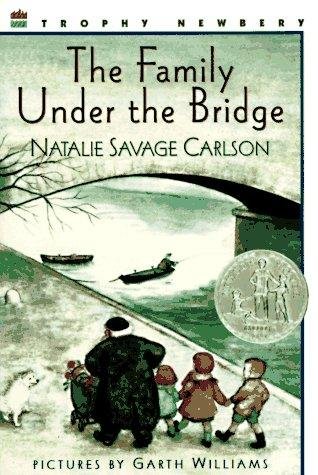
by Natalie Savage Carlson
A step up — ages 8–10 · grades 3–5
Skip it if your child is newly homeless or living in unstable housing; the cozy resolution may feel dismissive of real precarity.
