
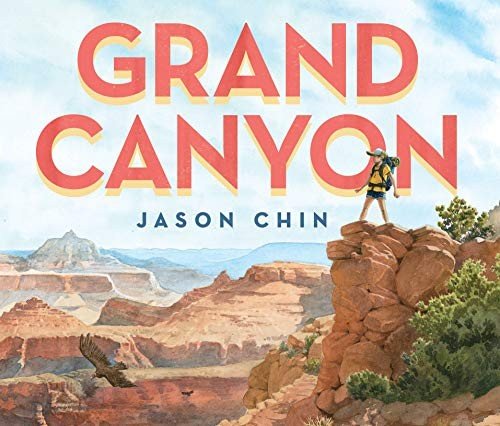
Grand Canyon
by Jason Chin
Picture book · ages 5–9 · grades K–4 · 620L
A picture book that treats deep time and geological process with poetic clarity; Chin's cutaway illustrations make 1.8 billion years visceral and navigable for a 6-year-old.
For a reader who just finished
after An Extraordinary Life: The Story of a Monarch Butterfly by Laurence Pringle · ages 5–9
Same style
by Jason Chin
Picture book · ages 5–9 · grades K–4 · 620L
A picture book that treats deep time and geological process with poetic clarity; Chin's cutaway illustrations make 1.8 billion years visceral and navigable for a 6-year-old.
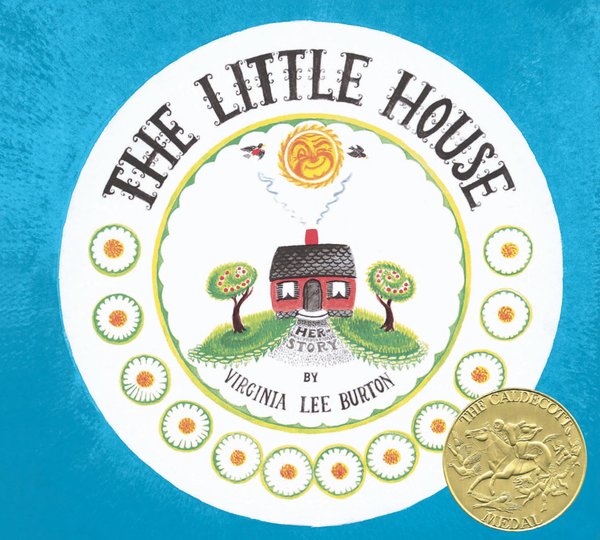
by Virginia Lee Burton
Picture book · ages 4–8 · grades K–3 · 550L
A 1942 Caldecott winner that still teaches environmental awareness and historical perspective without sentimentality—the illustrations do nearly all the storytelling work, making it perfect for nonverbal reflection with young kids.
by Leo Politi
Picture book · ages 4–8 · grades K–3 · 620L
A 1946 Newbery winner that holds up: lyrical, culturally grounded, and teaches patient observation without preaching—the swallows are a genuine draw, not a metaphor.
Stretch them up
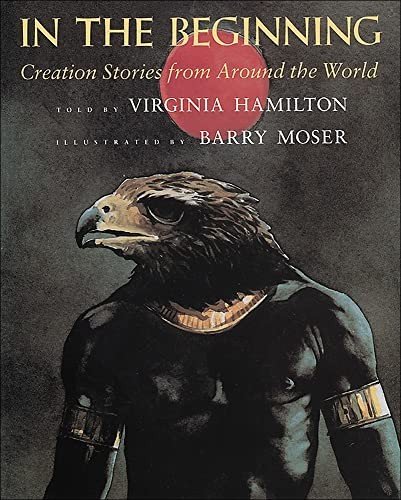
by Virginia Hamilton
Picture book · ages 5–9 · grades K–4 · 820L
Gorgeous, sophisticated, and genuinely restful — Hamilton's prose elevates world mythology without condescension, and Barry Moser's illustrations deepen the dreamlike authority of each story.
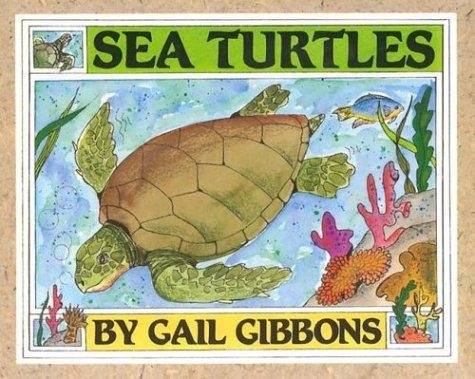
by Gail Gibbons
Picture book · ages 4–8 · grades K–3 · 820L
Gibbons' clearest nonfiction picture book — dense, factual, and visually organized so even a 4-year-old can follow; the gold standard for introducing marine biology without condescension.
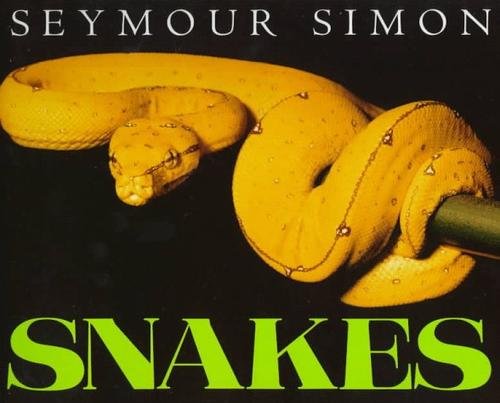
by Seymour Simon
Picture book · ages 6–10 · grades 1–5 · 800L
Seymour Simon's photography and clear prose make snakes genuinely fascinating without sentimentalizing them; kids come away understanding predator-prey dynamics and adaptation, not fear.
Complementing on observation evidence
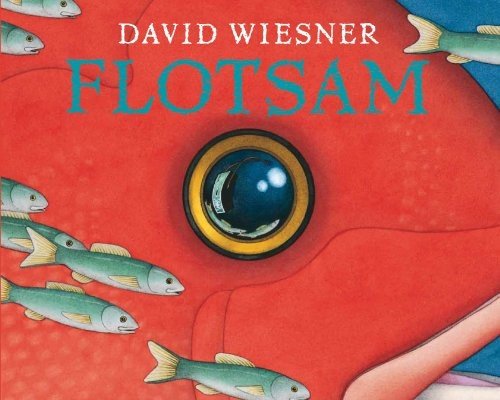
by David Wiesner
Picture book · ages 4–8 · grades K–3
A wordless masterpiece that teaches observation and sparks imagination without a single sentence—kids stare at the panels, construct their own theories, and beg to flip through it again.
by Leo Politi
Picture book · ages 4–8 · grades K–3 · 620L
A 1946 Newbery winner that holds up: lyrical, culturally grounded, and teaches patient observation without preaching—the swallows are a genuine draw, not a metaphor.
by Todd Tucker
Picture book · ages 4–8 · grades K–3 · 600L
A quiet masterpiece that teaches observation without a word of didacticism—kids naturally want to lift the flaps and peek, building real naturalist instincts.
We'd skip — for now
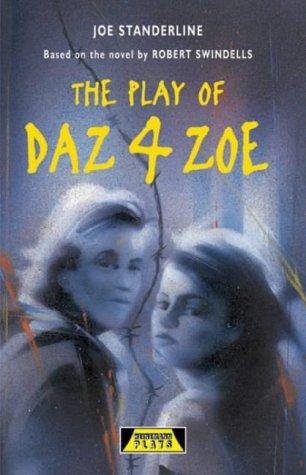
by Joe Standerline
A step up — ages 10–14 · grades 5–9
Skip it if you need a standalone read-aloud; this is a script written for performance, with minimal stage directions and dialogue-heavy scaffolding designed for ensemble work.