For a reader who just finished
Books like Alice's Adventures in Wonderland / Through the Looking Glass
after Alice's Adventures in Wonderland / Through the Looking Glass by Lewis Carroll · ages 8–12
Same style
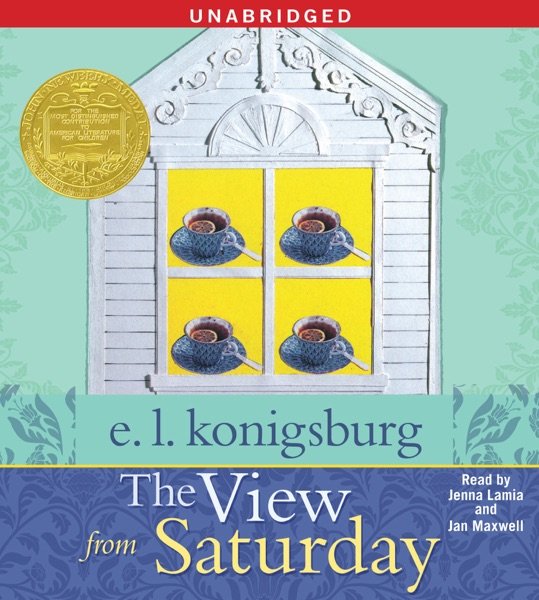
by E. L. Konigsburg
Middle grade · ages 9–12 · grades 4–7 · 760L
A Newbery winner that actually earns it—the fractured, interlocking narratives teach perspective-taking while celebrating intellectual friendship across difference; rereads even better once you catch all the structural puzzles.
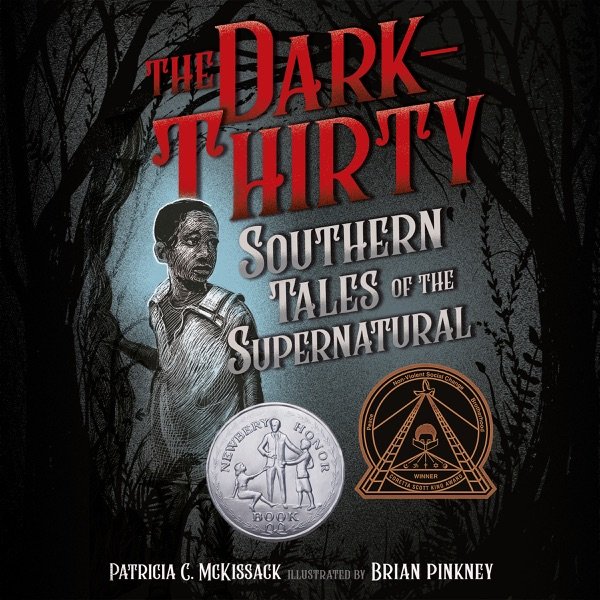
by Patricia McKissack
Middle grade · ages 9–12 · grades 4–7 · 780L
McKissack's frame-story masterpiece weaves African American folklore, history, and suspense into 30 unforgettable tales that reward rereading and conversation — the kind of book that makes kids *think* about what scares them and why.
by Elizabeth Marie Pope
Middle grade · ages 10–14 · grades 5–9 · 780L
A Newbery honor book that hasn't aged — intricate historical mystery with real stakes, folkloric depth, and a heroine who thinks her way through peril rather than through luck or magic.
Stretch them up
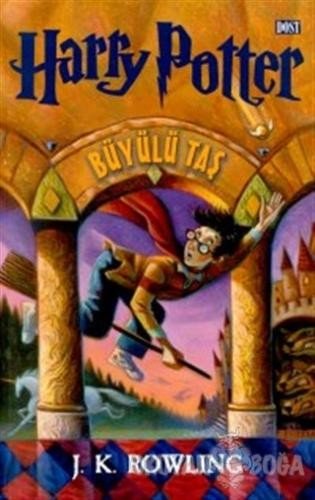
by J. K. Rowling
Middle grade · ages 9–12 · grades 4–7 · 880L
The book that redefined children's fiction — richly imagined world, genuine stakes, prose that respects young readers, and a protagonist's journey from isolation to belonging that doesn't feel saccharine.
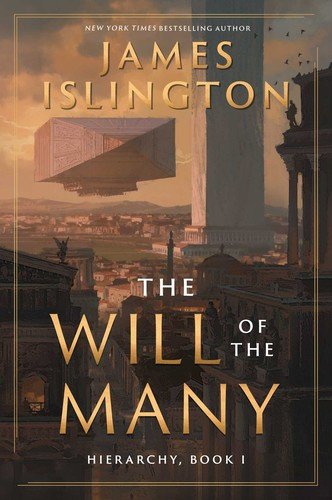
by James Islington
Middle grade · ages 10–14 · grades 5–9 · 890L
A genuinely sophisticated magic system wrapped in a mystery about identity — harder than typical middle grade but rewarding for strong readers who don't need constant humor.
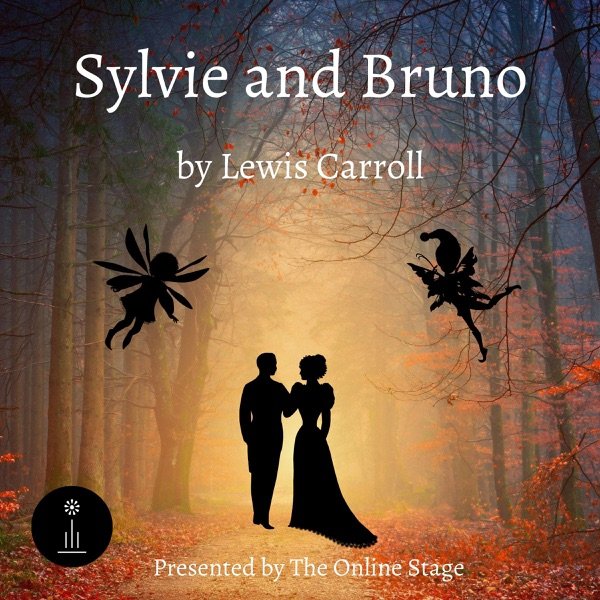
by Lewis Carroll
Middle grade · ages 10–14 · grades 5–9 · 1050L
Carroll's most structurally ambitious work and genuinely strange—the dual-timeline narrative and philosophical digressions demand real attention, but kids who love language puzzles and moral fables will find it rewarding.
We'd skip — for now
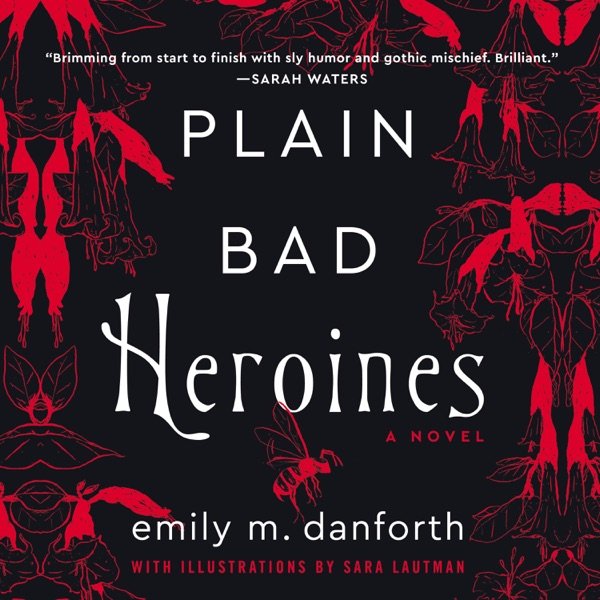
by Emily M. Danforth
A step up — ages 14–18 · grades 9–12
Skip it if your teen is uncomfortable with frank depictions of same-sex desire, or if reading-as-investigation (unreliable narrators, competing versions of events) feels too much friction for their current reading mood.
