For a reader who just finished
Books like A Short History of Nearly Everything (Young Readers)
after A Short History of Nearly Everything (Young Readers) by Bill Bryson · ages 10–14
Same style
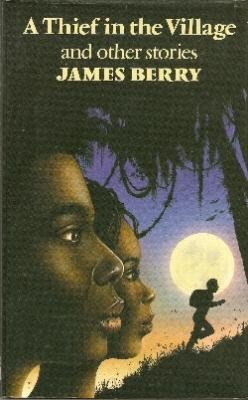
by James Berry
Nonfiction · ages 8–12 · grades 3–7 · 750L
A rare short-story collection that treats Caribbean childhood with unsentimental specificity—kids see real economic constraint and moral ambiguity, not exoticism.
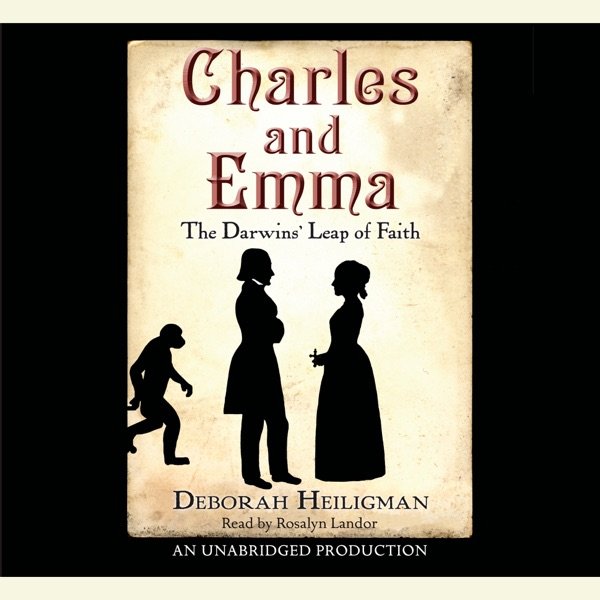
by Deborah Heiligman
Nonfiction · ages 10–14 · grades 5–9 · 820L
A masterful dual biography that treats a marriage—not just a scientist—as the subject; teens see how two thoughtful people with genuine disagreements built something real.
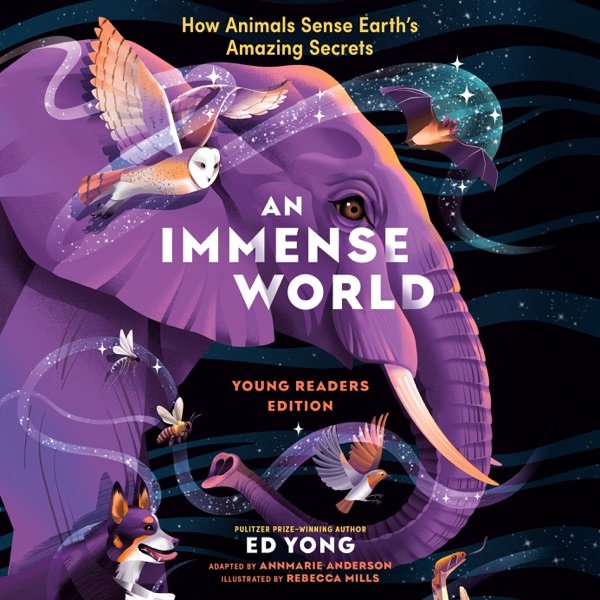
by Ed Yong
Nonfiction · ages 10–14 · grades 5–9 · 820L
A genuinely mind-expanding book that teaches kids to question their own perception and builds deep scientific curiosity—exactly the kind of nonfiction that sticks.
Complementing on observation evidence

by Jim Murphy
Nonfiction · ages 10–14 · grades 5–9 · 820L
Gripping, historically rigorous account that models how evidence overturns expert consensus—kids emerge understanding both the horror and the intellectual detective work of epidemiology.
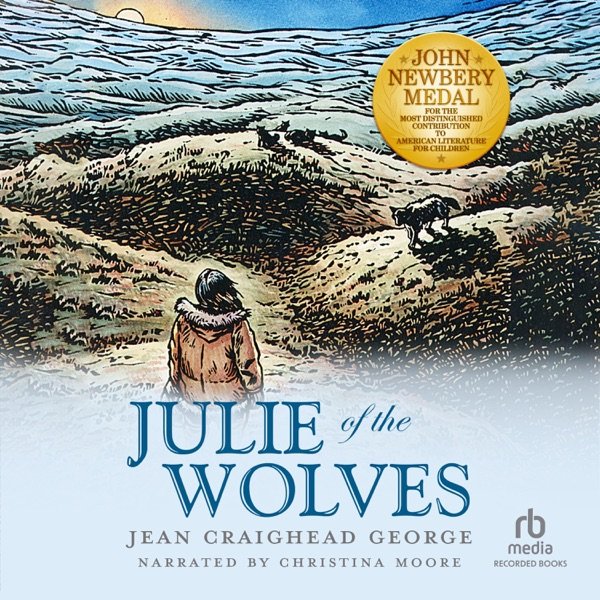
by Jean Craighead George
Middle grade · ages 10–14 · grades 5–9 · 760L
A Newbery-winning masterpiece that hasn't aged a day—Julie's survival story is genuinely gripping, and the quiet exploration of cultural identity and belonging lands without preaching.
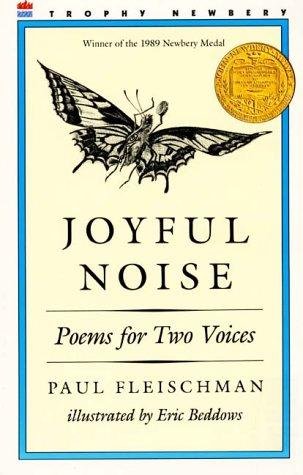
by Paul Fleischman
Verse novel · ages 8–12 · grades 3–7 · 620L
A Newbery Medal masterpiece that teaches kids how to listen to nature through the architecture of two-voice poetry — kids discover they can read these aloud *right now* with a friend and it immediately sounds like music.
We'd skip — for now
by Cassandra Clare
A step up — ages 14–18 · grades 9–12
Skip it if your teen hasn't read at least one Shadowhunters novel yet; without that foundation, the Codex is reference material without narrative anchor.
