For a reader who just finished
Books like A river ran out of Eden
after A river ran out of Eden by James Vance Marshall · ages 10–14
Middle grade · grades 5–9 · 820L
A 1967 survival novel that earns its literary reputation: the Outback becomes a character, cultural collision is genuine, and the ending resists easy sentiment.
Full details →
Same style
by E. L. Konigsburg
Middle grade · ages 8–12 · grades 3–7 · 790L
A book that trusts kids to be intellectually bored and emotionally complex—Claudia's runaway isn't melodrama, it's a quiet reckoning with identity that lands harder on rereads.
by Edith Nesbit
Middle grade · ages 8–12 · grades 3–7 · 820L
A century-old book that still lands—three kids adapt to sudden poverty with ingenuity and heart, and the railway becomes a character that carries real historical texture without preaching.
by Nnedi Okorafor
Middle grade · ages 10–14 · grades 5–9 · 820L
A fierce, culturally rooted coming-of-age that centers albinism and Blackness without apology—Okorafor weaves Igbo cosmology and Lagos street life into the magic system, and kids see themselves as the hero, not the exception.
Stretch them up
by J. R. R. Tolkien
Middle grade · ages 12–18 · grades 7–12 · 1000L
The gold standard for child-appropriate epic fantasy—long, demanding, and utterly worth it; kids who finish it have genuinely grown as readers and thinkers.
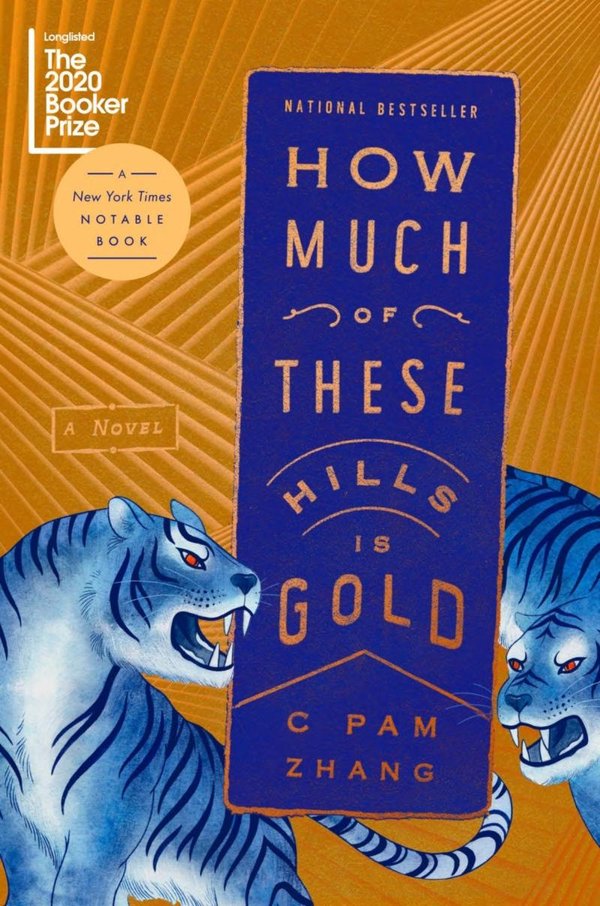
by C Pam Zhang
Young adult · 1020L
A lyrical, historically ambitious novel about Chinese-American siblings during the Gold Rush that refuses sentimentality; rich on immigration and labor, but the fragmented structure and heavy themes demand a mature, patient reader.
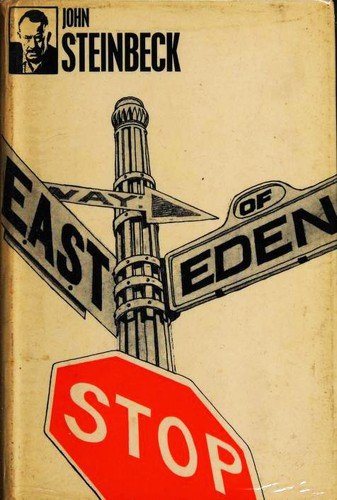
by John Steinbeck
Young adult · 1050L
The most philosophically rigorous American family saga; demands intellectual maturity but rewards it with a genuinely moral argument about choice and human nature that lands harder at 15–16 than at 12.
Complementing on perspective taking
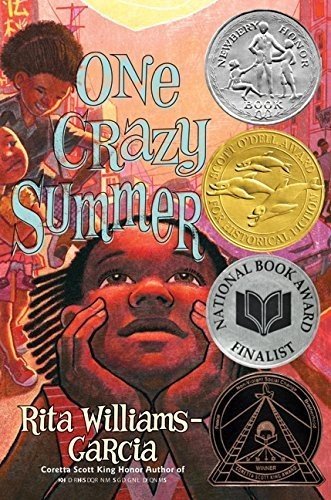
by Rita Williams-Garcia
Middle grade · ages 8–12 · grades 3–7 · 750L
A richly layered book about sisterhood, identity, and reckoning with parental complexity that treats kids' emotional intelligence seriously—the ending doesn't tidy up, which is exactly why it stays with them.
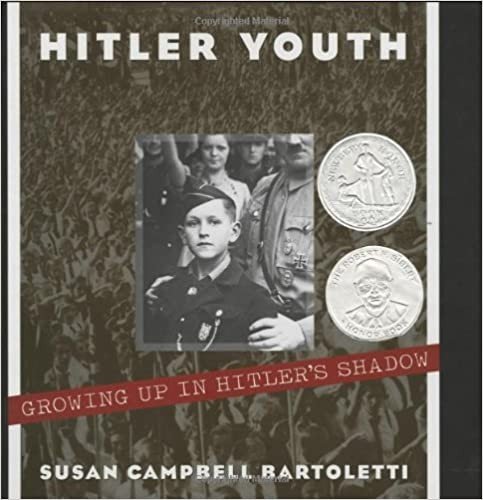
by Susan Campbell Bartoletti
Nonfiction · age 10+ · grade 5+ · 1050L
The most honest, unflinching introduction to how propaganda works on young minds—essential reading for understanding WWII and how democracies stay vigilant.
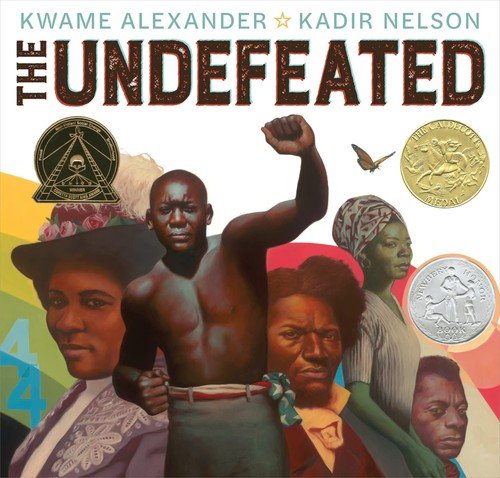
by Kwame Alexander
Verse novel · ages 10–14 · grades 5–9 · 620L
A landmark book that uses verse to make 500 years of Black American history personal and urgent—kids understand their own power within a larger story.
We'd skip — for now
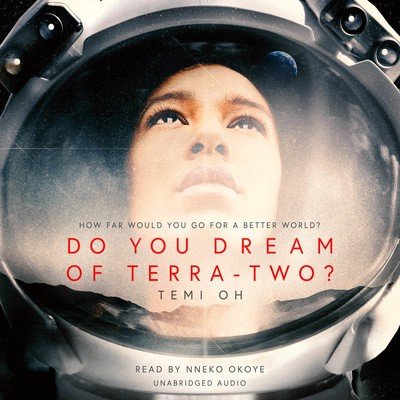
by Temi Oh
A step up — ages 14–18 · grades 9–12
Skip it if your teen has experienced abandonment or family rejection recently; multiple characters' Earth-side trauma is a through-line that lands hard.
