For a reader who just finished
Books like A Pocketful of Cricket
after A Pocketful of Cricket by Evaline Ness · ages 4–8
Same style

by Marie Hall Ets
Picture book · ages 4–8 · grades K–3 · 550L
A Caldecott winner that earns it — gentle, authentic, and the countdown structure makes waiting feel like an adventure; kids actually ask to reread it before holidays.
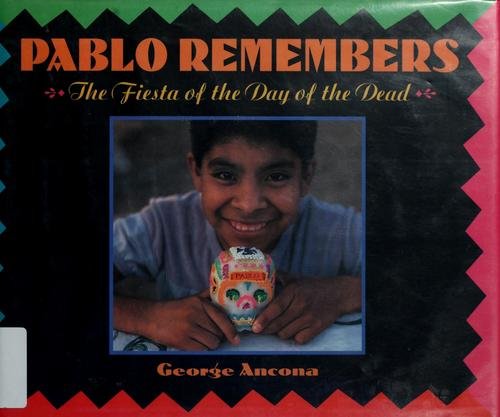
by George Ancona
Picture book · ages 5–9 · grades K–4 · 550L
The gold standard for introducing Day of the Dead to young kids—photographed with real people, real food, real altars, so it feels like witnessing a friend's family tradition rather than learning from a worksheet.
by Jason Chin
Picture book · ages 4–8 · grades K–3 · 560L
A quiet, gorgeous picture book about a girl learning to see her immigrant parents' resourcefulness as strength rather than strangeness — the watercolor art and understated narrative let kids arrive at understanding on their own.
Stretch them up
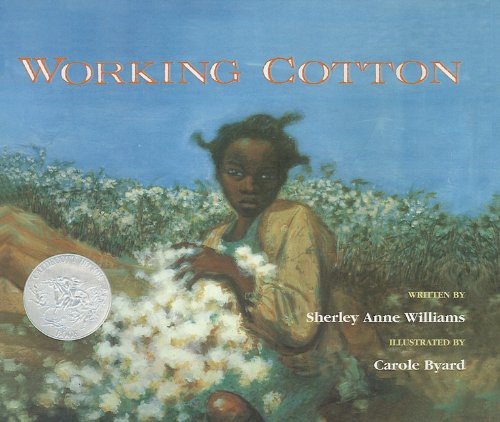
by Carole Byard
Picture book · ages 6–10 · grades 1–5 · 620L
Unflinching, lyrical, and told in the protagonist's own voice — this is the rare picture book that doesn't sentimentalize poverty but doesn't rob children of it either, and Carole Byard's collage art is extraordinary.

by Faith Ringgold
Picture book · ages 4–8 · grades K–3 · 650L
A picture book that works at 6 and deepens at 9—Ringgold's quilted illustrations and Cassie's dreaming of flight and ownership will stick with your kid for years, and the 1930s Harlem setting opens conversations about racism, class, and what freedom means.
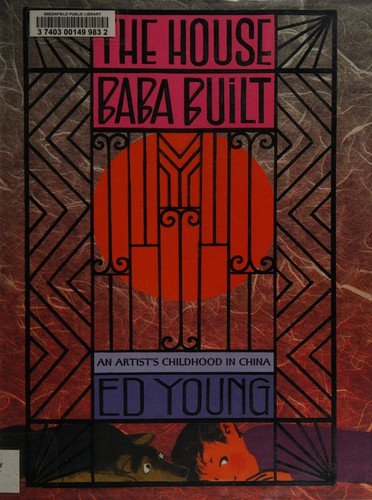
by Ed Young
Picture book · ages 4–8 · grades K–3 · 620L
A lyrical, elegantly illustrated memoir for young readers that treats childhood displacement and cultural identity with literary depth without condescension—the collage-style art is as much the story as the words.
Complementing on observation evidence
by Leo Politi
Picture book · ages 4–8 · grades K–3 · 620L
A 1946 Newbery winner that holds up: lyrical, culturally grounded, and teaches patient observation without preaching—the swallows are a genuine draw, not a metaphor.
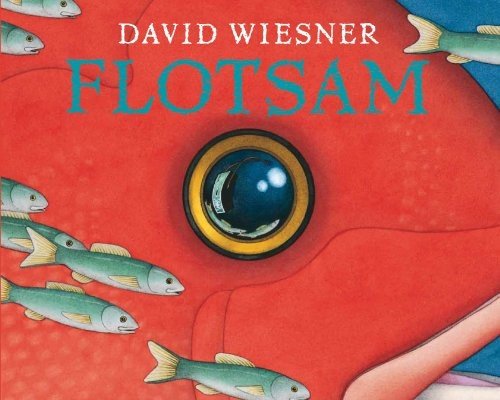
by David Wiesner
Picture book · ages 4–8 · grades K–3
A wordless masterpiece that teaches observation and sparks imagination without a single sentence—kids stare at the panels, construct their own theories, and beg to flip through it again.
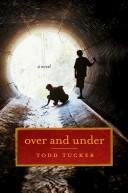
by Todd Tucker
Picture book · ages 4–8 · grades K–3 · 600L
A quiet masterpiece that teaches observation without a word of didacticism—kids naturally want to lift the flaps and peek, building real naturalist instincts.
We'd skip — for now
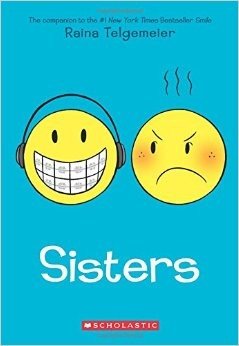
by Raina Telgemeier
A step up — ages 9–12 · grades 4–7
Skip it if your child has a contentious sibling relationship and needs gentler modeling; Raina's exasperation with Amara is realistic and might amplify existing tension.
