For a reader who just finished
Books like 1001 bugs to spot
after 1001 bugs to spot by Emma Helbrough · ages 4–8
Same style
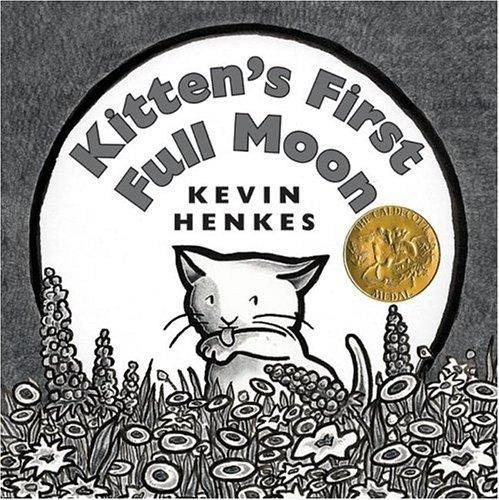
by Kevin Henkes
Picture book · ages 3–7 · grades K–2 · 190L
A Caldecott Medal quiet masterpiece: repetitive, rhythmic, and visually perfect for the 3–5 set; the night scenes and Henkes's spare line work teach observation without a word of instruction.
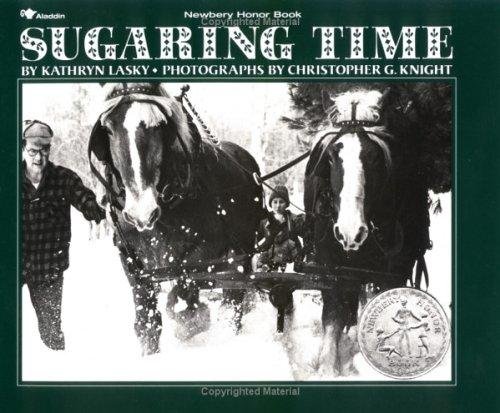
by Kathryn Lasky
Picture book · ages 5–9 · grades K–4 · 620L
A documentary-style picture book that makes process literacy exciting — kids grasp the whole arc from tree to table, and Lasky's matter-of-fact voice models scientific thinking without preaching.
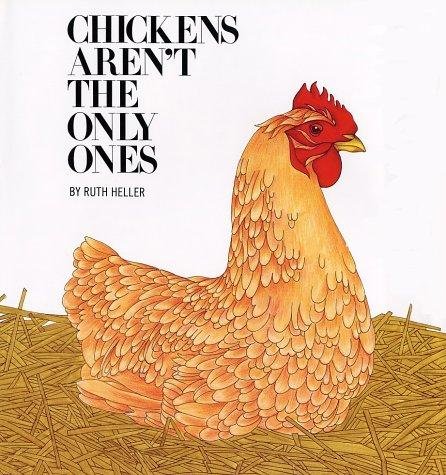
by Ruth Heller
Picture book · ages 4–8 · grades K–3 · 620L
Ruth Heller's masterpiece—rhyming couplets + intricate watercolor illustrations teach egg-laying across the animal kingdom while modeling scientific observation; kids absorb real taxonomy without noticing.
Stretch them up
by Leo Politi
Picture book · ages 4–8 · grades K–3 · 620L
A 1946 Newbery winner that holds up: lyrical, culturally grounded, and teaches patient observation without preaching—the swallows are a genuine draw, not a metaphor.
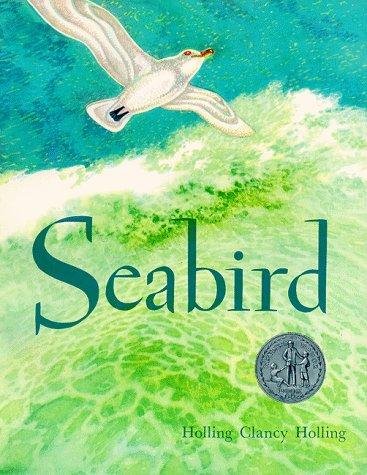
by Holling C. Holling
Picture book · ages 6–10 · grades 1–5 · 620L
A masterpiece of patient observation disguised as a picture book—the illustrations reward close, repeated looking and the text respects a child's intelligence without talking down.
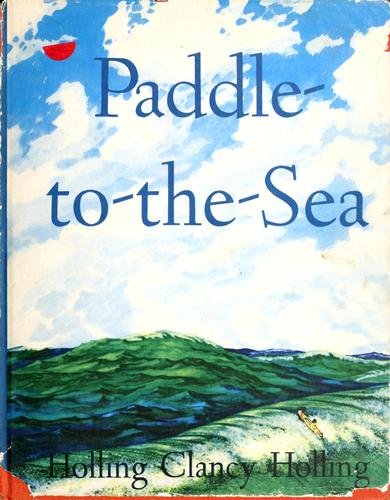
by Holling C. Holling
Picture book · ages 6–10 · grades 1–5 · 620L
A quiet masterpiece—the narrative voice lets the illustrations and geographic detail carry the story; kids absorb how water, seasons, and ecosystems interconnect without ever feeling lectured.
Complementing on observation evidence
by Leo Politi
Picture book · ages 4–8 · grades K–3 · 620L
A 1946 Newbery winner that holds up: lyrical, culturally grounded, and teaches patient observation without preaching—the swallows are a genuine draw, not a metaphor.
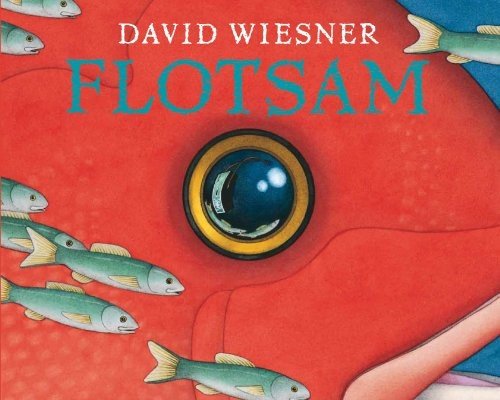
by David Wiesner
Picture book · ages 4–8 · grades K–3
A wordless masterpiece that teaches observation and sparks imagination without a single sentence—kids stare at the panels, construct their own theories, and beg to flip through it again.
by Todd Tucker
Picture book · ages 4–8 · grades K–3 · 600L
A quiet masterpiece that teaches observation without a word of didacticism—kids naturally want to lift the flaps and peek, building real naturalist instincts.
We'd skip — for now

by Diane Stanley
A step up — ages 8–12 · grades 3–7
Skip it if your child finds period detail or Renaissance history aesthetically boring—the book assumes some intrigue in art and old Italy.
